Refractometer
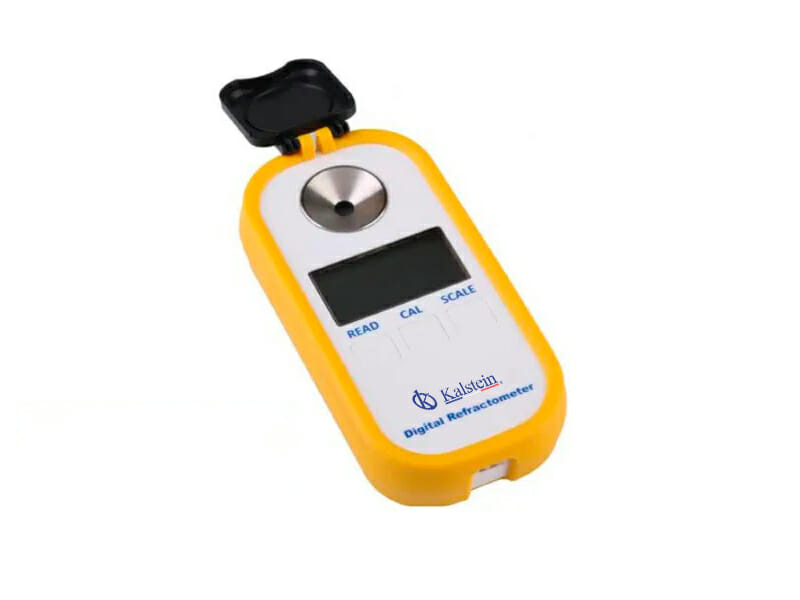
Refractometers are essential instruments in laboratory settings, used to measure the refractive index of various liquids. They play a crucial role in industries like food, pharmaceuticals, and environmental science, ensuring quality control and accurate analyses.
With advancements in technology, modern refractometers offer digital displays and increased precision, making them indispensable tools for researchers and technicians. Understanding the different types of refractometers available can help laboratories choose the right equipment for their specific needs.
Types of refractometer your laboratory may need
Digital Refractometer
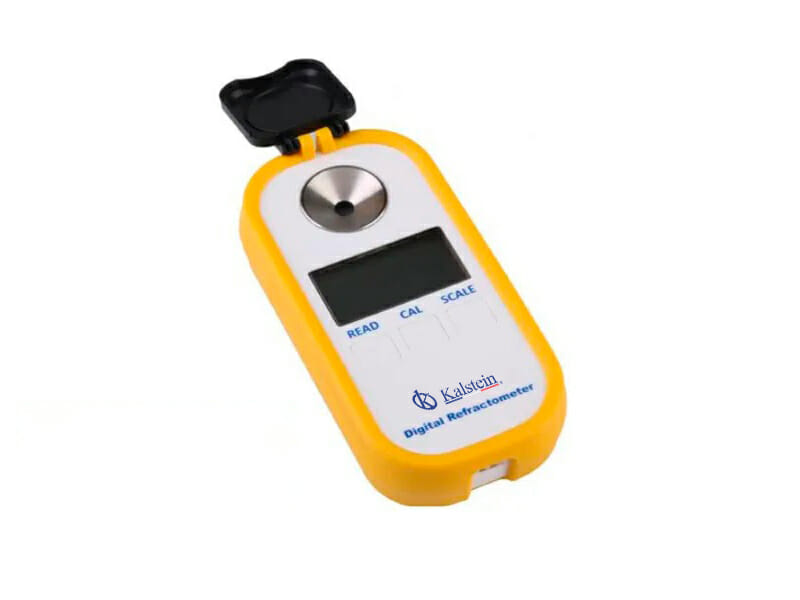
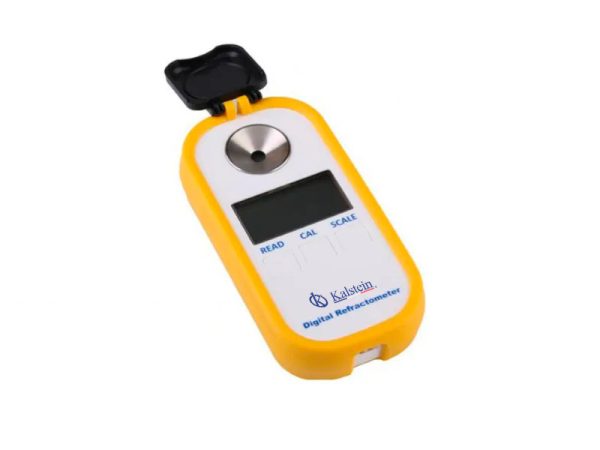
Digital refractometers utilize advanced technology to provide precise measurements of liquid refractive indices. They feature digital displays that make it easy for users to read results quickly and accurately, significantly enhancing workflow efficiency in laboratory environments.
These instruments are commonly used in various applications, including food and beverage testing, where accurate measurement of sugar concentration is vital. Their user-friendly interface and quick calibration processes make them ideal for both novice and experienced users.
Optical Refractometer
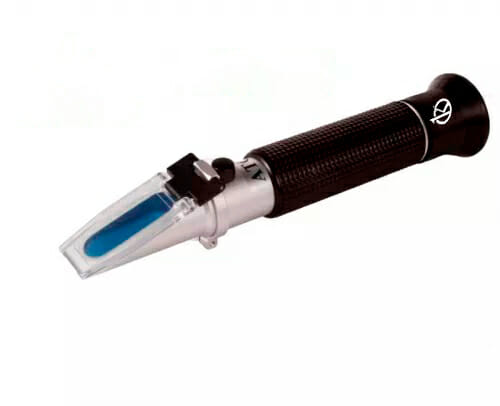
Optical refractometers are traditional instruments that measure the refractive index of liquids by utilizing light refraction. These devices are renowned for their reliability and accuracy, particularly in laboratory settings where precise measurements are crucial.
They are particularly useful in applications such as quality control in breweries and laboratories focusing on chemical analyses. Despite being less advanced than digital options, optical refractometers remain popular due to their simplicity and effectiveness in various testing environments.
What you should know before selecting a refractometer and making an investment
Key factors to consider
When selecting a refractometer, consider key factors such as measurement range, accuracy, and ease of use. Different applications may require specific features, such as temperature compensation for more accurate results under varying conditions.
Additionally, analyze the materials used for construction and the instrument's durability to ensure it can withstand the rigors of laboratory environments. Doing thorough research can help make an informed choice that meets your laboratory's needs.
Market price range
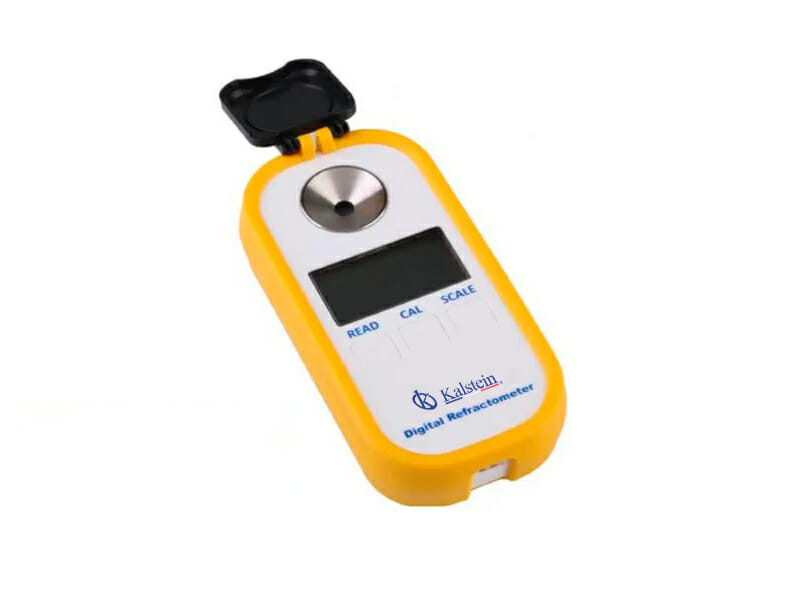
The market price of refractometers can vary greatly depending on their type and features. Basic optical models may start from a lower price point, while advanced digital refractometers can be significantly more expensive due to their enhanced functionalities.
It's essential to align your budget with the specific needs of your laboratory. Investing in a higher-quality instrument may save money in the long run through improved accuracy and reliability.
Value for money
Assessing the value for money of a refractometer involves considering its features relative to its price. More expensive models often come with additional features that can enhance testing accuracy and efficiency, making them worthwhile investments for serious laboratories.
However, it is crucial to analyze whether these features will be beneficial for your specific applications. Sometimes, a more affordable model can meet your needs just as effectively, balancing cost with functionality.
Expected lifespan based on use and maintenance
The lifespan of a refractometer largely depends on its usage and maintenance practices. Regular cleaning and proper storage can extend the life of the instrument significantly, ensuring more reliable performance over time.
When investing in a refractometer, consider the manufacturer's recommendations for maintenance. A well-maintained instrument not only lasts longer but also provides consistent accuracy, which is essential for laboratory operations.
REFRACTOMETER KALSTEIN
Discover refractometer for your laboratory
Kalstein offers a wide variety of refractometers designed to meet the diverse needs of laboratory professionals. Whether you require a digital or optical refractometer, our products ensure precision and reliability for all your measurement tasks.
Brix Digital Refractometer YR05944 // YR05952
The Brix Digital Refractometer YR05944 // YR05952 is an advanced tool designed for precise measurement of soluble solids concentration, primarily suga
View product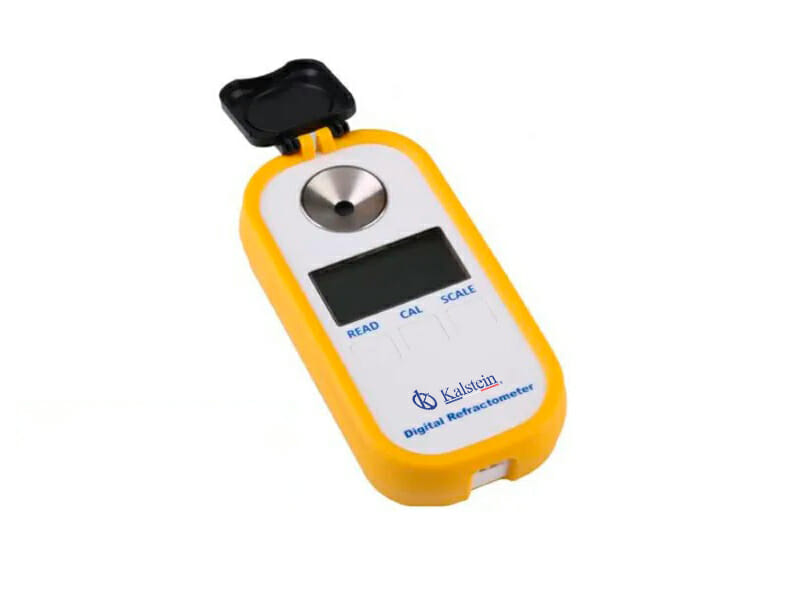
Salinity Digital Refractometer YR05953 // YR05960
The Salinity Digital Refractometer YR05953 // YR05960 is a robust and precise tool designed to accurately measure the salinity of solutions, including
View productBeer Refractometers YR05939 // YR05943
The Beer Refractometers YR05939 // YR05943 by Kalstein represent cutting-edge optical technology designed specifically for brewers and quality control
View productDigital Clinical Refractometer YR05966 // YR05968
The Digital Clinical Refractometer YR05966 // YR05968 is an advanced instrument designed for accurate measurement of specific gravity and serum protei
View productOur best-selling refractometer
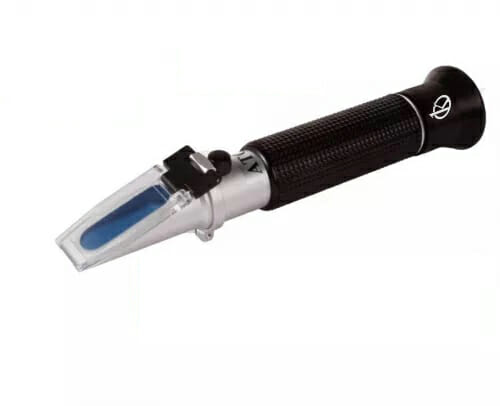
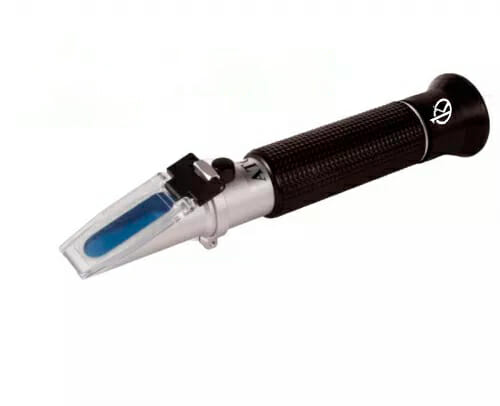
ATC Car Refractometers YR05916 // YR05930
ATC Car Refractometers YR05916 // YR05930 are the ideal instruments for measuring the concentration of ethylene glycol or propylene glycol in antifreeze solutions. These devices not only indicate the freezing points but also include scales for windshield cleaning fluid. Fully equipped with Automatic Temperature Compensation (ATC), these refractometers adjust themselves to any temperature discrepancies, ensuring precise readings. With a sturdy construction and ease of use, these refractometers are perfect for both professional technicians and DIY enthusiasts.
Market Price
In the competitive landscape of refractometers, the ATC Car Refractometers YR05916 // YR05930 are attractively priced. While most refractometers in this category range from $60 to $240, these models deliver high precision and durability, making them a cost-effective choice. This allows professionals and amateurs alike to benefit from advanced features without breaking the bank.
Frequently Asked Questions
What are these refractometers used for? These refractometers are used to measure the concentration of cooling system fluids and determine their freezing points.
Do they require a power source? No, they use ambient light, so batteries or external power sources are not required.
Advantages and Disadvantages
Advantages: Automatic temperature compensation, no need for power, durable aluminum construction, and easy to calibrate.
Disadvantages: Limited to specific fluid types, manual operation requires some skill in focusing and calibration.
Product Usage in the Field
These refractometers are widely used in automotive settings to measure the concentration of coolants and antifreeze directly from vehicles. Simply place a sample of the fluid on the prism, focus, and read the concentration and freezing point directly from the scale.
Recommendations
For optimal use, always clean the prism after each measurement to ensure accuracy. Regular calibration is recommended, especially if used in varying temperature conditions, to maintain precision. With a robust design, these refractometers are built to last, but proper maintenance will further extend their lifespan.
Features
- High-quality body construction
- Operates without a battery or power source
- Easy to focus and calibrate
- Comfortable non-slip rubber cushioning
- Features Auto Temperature Compensation (ATC)
- Durable and long-lasting
Technical Specifications
| Model | Description | Measurement Range | Min. Div. | Accuracy | ATC | ATC Temp. | Material |
| YR05916 | Car ATC E:-60°C--0°C P:-50°C-0°C B:1.100-1.400sg optical | B:1.000-1.400sg, E:-60℃-0℃, P:-50℃-0℃ | 0.01sg 5℃ 5℃ | ±0.01sg ±5℃ ±5℃ | Yes | 0-30°C | Pure aluminium |
| YR05917 | Car ATC E:-60°C--0°C P:-50°C-0°C B:1.100-1.400sg optical | B:1.000-1.400sg, E:-60℃-0℃, P:-50℃-0℃ | 0.01sg 5℃ 5℃ | ±0.01sg ±5℃ ±5℃ | Yes | 0-30°C | Pure aluminium |
| YR05918 | Car ATC E:-60°F-32°F P:-50°F-32°F B:1.15-1.30sg optical | B:1.15-1.30sg, E:-60°F-32°F, P:-50°F-32°F | 0.01sg 5℃ 5℃ | ±0.01sg ±5℃ ±5℃ | Yes | 0-30°C | Pure aluminium |
| YR05919 | Car ATC E:-60°F-32°F P:-50°F-32°F B:1.15-1.30sg optical | B:1.15-1.30sg, E:-60°F-32°F, P:-50°F-32°F | 0.01sg 5℃ 5℃ | ±0.01sg ±5℃ ±5℃ | Yes | 0-30°C | Pure aluminium |
| YR05920 | Car ATC E:-50°C-0°C P:-50°C-0°C B:1.15-1.30sg optical | B:1.15-1.30sg, E:-50℃-0℃, P:-50℃-0℃ | 0.01sg 5℃ 5℃ | ±0.01sg ±5℃ ±5℃ | Yes | 0-30°C | Pure aluminium |
| YR05921 | Car ATC E:-50°C-0°C P:-50°C-0°C B:1.15-1.30sg optical | B:1.15-1.30sg, E:-50℃-0℃, P:-50℃-0℃ | 0.01sg 5℃ 5℃ | ±0.01sg ±5℃ ±5℃ | Yes | 0-30°C | Pure aluminium |
| YR05922 | Car ATC E:-50°C-0°C P:-50°C-0°C C:-40°C-0°C B:1.15-1.30sg | E:-50°C-0°C P:-50°C-0°C C:-40°C-0°C B:1.15-1.30sg | 0.01sg 5℃ 5℃ 5℃ | ±0.01sg ±5℃ ±5℃ ±5℃ | Yes | 0-30°C | Pure aluminium |
| YR05923 | Car ATC E:-50°C-0°C P:-50°C-0°C C:-40°C-0°C B:1.15-1.30sg | E:-50°C-0°C P:-50°C-0°C C:-40°C-0°C B:1.15-1.30sg | 0.01sg 5℃ 5℃ 5℃ | ±0.01sg ±5℃ ±5℃ ±5℃ | Yes | 0-30°C | Pure aluminium |
| YR05924 | ATC B:1.100-1.400sg E:-50°C-0°C P:-50°C-0°C C:-40°C-0°C | B:1.100-1.400sg E:-50℃-0℃ P:-50℃-0℃ C:-40℃-0℃ | 0.01sg 5℃ 5℃ 5℃ | ±0.01sg ±5℃ ±5℃ ±5℃ | Yes | 0-30°C | Pure aluminium |
| YR05925 | ATC B:1.100-1.400sg E:-50°C-0°C P:-50°C-0°C C:-40°C-0°C | B:1.100-1.400sg E:-50℃-0℃ P:-50℃-0℃ C:-40℃-0℃ | 0.01sg 5℃ 5℃ 5℃ | ±0.01sg ±5℃ ±5℃ ±5℃ | Yes | 0-30°C | Pure aluminium |
| YR05926 | ATC E:-70°C-0°C(-90°F-32°F),P:-60°C-0°C(-70°F-32°F)B:1.100-1.400sg | E:-70°C-0°C (-90°F-32°F) P:-60°C-0°C (-70°F-32°F) B:1.100-1.400sg | 5°C (10°F) 5°C (10°F) 0.01sg | ±5°C (10°F) ±5°C (10°F) ±0.01sg | Yes | 0-30°C | Pure aluminium |
| YR05927 | ATC E:-70°C-0°C(-90°F-32°F),P:-60°C-0°C(-70°F-32°F)B:1.100-1.400sg | E:-70°C-0°C (-90°F-32°F) P:-60°C-0°C (-70°F-32°F) B:1.100-1.400sg | 5°C (10°F) 5°C (10°F) 0.01sg | ±5°C (10°F) ±5°C (10°F) ±0.01sg | Yes | 0-30°C | Pure aluminium |
| YR05928 | ATC Adblue: 30%--35%B:1.100- 1.400sg E:-50°C-0°C P:- 50°C-0°C C:-40°C-0°C optical refractometer | Adblue: 30%--35%B:1.100-1.400sg E:-50℃-0℃ P:-50℃-0℃ C:-40℃-0℃ | 0.01sg 5℃ 5℃ 5℃ | ±0.01sg ±5℃ ±5℃ ±5℃ | Yes | 0-30°C | Pure aluminium |
| YR05929 | ATC Adblue: 30%--35%B:1.100- 1.400sg E:-50°C-0°C P:- 50°C-0°C C:-40°C-0°C optical refractometer | Adblue: 30%--35%B:1.100-1.400sg E:-50℃-0℃ P:-50℃-0℃ C:-40℃-0℃ | 0.01sg 5℃ 5℃ 5℃ | ±0.01sg ±5℃ ±5℃ ±5℃ | Yes | 0-30°C | Pure aluminium |
| YR05930 | RHA-801 ATC 0-40% Urea Concentration AD Blue Optical | 0%-40% Urea Concentration | 0.2%Urea Concentration | ±0.2%Urea Concentration | Yes | 10-30° C | Pure aluminium |
Detailed analysis of refractometer for an effective and safe choice
Precision in Salinity Measurement: A Comparative Analysis of Kalstein and Atago Digital Refractometers
The need for precise salinity measurements is crucial in various scientific and industrial applications. When comparing the Salinity Digital Refractometer YR05953 // YR05960 by Kalstein and the Digital Salinity Refractometer PAL-SALT by Atago, it's evident that both products aim to provide accurate results, yet each offers unique advantages. Understanding their features and functionalities is esse
Digital Refractometers: Fast Analysis in Food and Chemical Industries
The analysis of solution composition is essential in industries such as food and chemical, where precision and speed are key for quality control and research. In this context, digital refractometers have emerged as an indispensable tool for measuring the refractive index of various substances. Over the years, I have had the opportunity to work with these devices, especially with Kalstein’s refractometers, which stand out for their precision, ease of use, and reliability.
Unveiling the Precision of Kalstein Refractometers: A Comprehensive Guide
Kalstein Refractometers: A Trusted Brand When it comes to laboratory instruments, ensuring accuracy and reliability is paramount. Kalstein, with its robust reputation in the field, offers refractometers that are not only precise but also versatile. As someone who has had the opportunity to use and evaluate these instruments, I can confidently speak to their quality and reliability. Users regularl
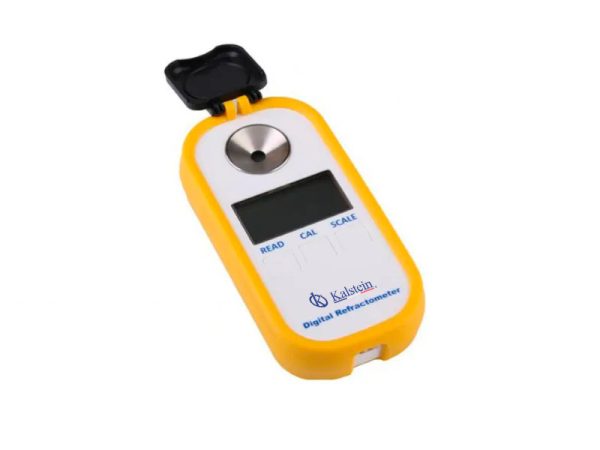
Digital Refractometers: Accuracy and Speed in Laboratory Analysis
Digital refractometers are essential tools in modern laboratories due to their ability to provide fast and accurate measurements. The Kalstein brand, known for its commitment to innovation and quality, offers refractometers that meet the highest industry standards. These devices are vital for various applications, from liquid analysis to scientific research.
refractometer offer catalog
Digital Brix+Salinity Refractometers YR05961 // YR05965
Ver productoBrix Refractometers YR05872 // YR05884
Ver productoATC Car Refractometers YR05916 // YR05930
Ver producto
Optional Refractometers Accesories YR05968-OP1 // YR05968-OP3
Ver productoBrix Digital Refractometer YR05944 // YR05952
Ver productoSalinity Digital Refractometer YR05953 // YR05960
Ver productoBeer Refractometers YR05939 // YR05943
Ver productoDigital Clinical Refractometer YR05966 // YR05968
Ver productoGuides about refractometer
Complete guides to choose refractometer
Boosting Precision in Laboratories with Kalstein Digital Refractometers
A refractometer is a crucial device in any laboratory engaged in scientific research. Kalstein, a renowned laboratory equipment manufacturer, provides digital refractometers that are of vital importance in various fields, such as the pharma
Leer más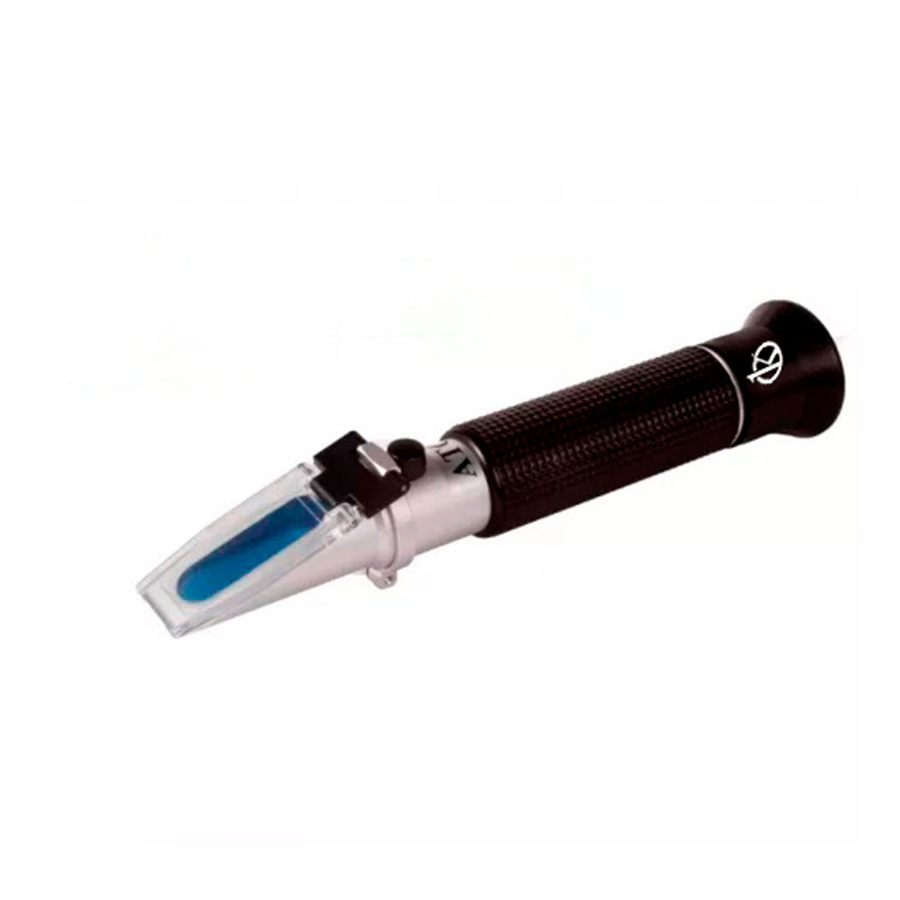
Kalstein Optical Refractometers: Accuracy and quality in your measurements
Kalstein optical laboratory refractometers represent the leading edge in technology and precision for the measurement of various solutions. This article takes a detailed look at their features and technical specifications.
Leer más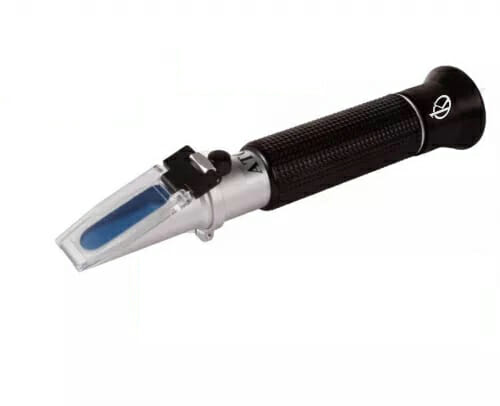
Comparative Analysis of Honey Refractometers: Kalstein vs. Hanna Instruments
Honey refractometers are essential tools for beekeepers and honey producers, enabling them to measure moisture content and ensure quality control. Today, we'll compare two noteworthy products: the Honey Refractometers YR05885 - YR05886 from
Leer másRefractometers: Unlocking Precision and Efficiency in Laboratory Analysis
Kalstein Refractometers As an experienced laboratory professional, I can attest to the vast utility and precision of refractometers, particularly those from the renowned company, Kalstein. Their refractometers are top-tier instruments known
Leer másFrequently asked questions about Refractometer
How to know the prices of Refractometer?
To know the price of Refractometer, please send us an email with your request through the contact form AQUI.
What are the delivery times for Refractometer?
Delivery time depends on stock availability and freight type (air or sea). In stock: air 15-30 days, sea 45-60 days. Out of stock: air 30-60 days, sea 60-90 days.
How to make a purchase of Refractometer?
You can buy by email ([email protected]), phone (+33 (0) 1 70 39 26 50) or through the official Kalstein website in your country.
How does the warranty work for Refractometer?
All Kalstein equipment comes with a 1-year warranty against manufacturing defects. The warranty does not cover damage from improper installation or misuse. See our «terms and conditions» AQUI.
Can I request a quote online for Refractometer?
Yes, you can request a quote for the Kalstein equipment you are interested in directly from our official website. Click AQUI.