Veterinary Laparoscopy Systems: Practical Applications and Techniques 2026
What is it used for in 2026
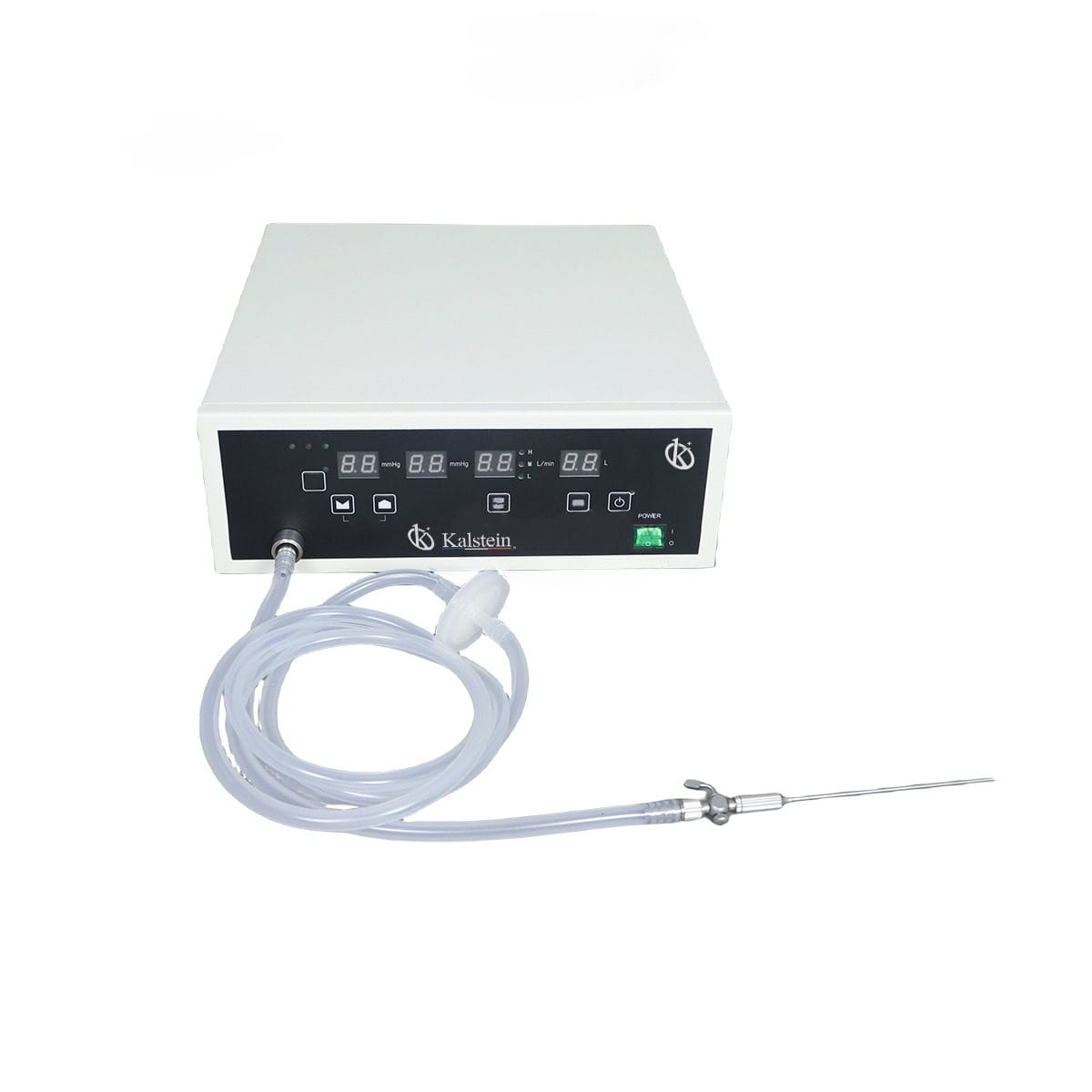
Veterinary laparoscopy systems are widely utilized in animal hospitals and clinics for minimally invasive surgeries. These systems allow veterinarians to perform a variety of surgical procedures, such as spaying, neutering, and biopsy collection, with less trauma to the animal compared to traditional open surgery. In 2026, these systems have become essential tools in modern veterinary practices, promoting quicker recovery times and reduced postoperative pain for animal patients.
History and evolution of the technology
The use of laparoscopy in veterinary medicine began in the late 20th century, initially mirroring human surgical practices. Over the years, advances in technology have led to the development of more sophisticated veterinary laparoscopy systems. Innovations such as high-definition imaging, improved insufflation techniques, and portable equipment have enhanced the efficacy and safety of these procedures. By 2026, veterinary laparoscopy has evolved to include systems that integrate advanced imaging capabilities and user-friendly interfaces, ensuring that practitioners can perform surgeries with greater precision.
How to use it step by step
Using a veterinary laparoscopy system involves several critical steps:
- Preparation: Ensure all necessary equipment is sterile and ready. This includes the endoscope, CO2 insufflator, and imaging system.
- Patient Preparation: Anesthetize the animal and position it appropriately on the surgical table.
- Insufflation: Connect the CO2 insufflator to create a pneumoperitoneum, ensuring a clear view of the surgical site.
- Inserting the Endoscope: Make a small incision to insert the endoscope, which will allow the surgeon to visualize the internal structures.
- Surgical Procedure: Perform the necessary surgical actions while monitoring the images displayed on the screen.
- Closure: After completing the surgery, carefully remove the instruments and insufflator, and close the incisions appropriately.
Best techniques and protocols
To maximize the effectiveness of veterinary laparoscopy systems, it’s essential to follow established techniques and protocols:
- Proper Insufflation: Ensure that CO2 is insufflated at the recommended flow rates, which vary by model.
- Use of High-Quality Imaging Systems: Utilize systems with high-definition capability to enhance visualization.
- Regular Training: Conduct regular training sessions for surgical teams to stay updated on techniques and equipment operation.
- Patient Monitoring: Employ vital sign monitoring throughout the procedure to ensure animal safety.
Practical applications by laboratory type
Veterinary laparoscopy systems find applications across various laboratory and clinical settings:
- Animal Hospitals: Commonly used for routine surgeries and diagnostic procedures.
- Research Facilities: Applied in studies requiring surgical interventions on animal models.
- Specialized Veterinary Clinics: Utilized for complex surgeries requiring specialized techniques.
Regulations, standards and certifications
Veterinary laparoscopy systems must adhere to strict regulations and standards set by organizations such as the American Veterinary Medical Association (AVMA) and the Association of Veterinary Surgeons (AVS). Compliance with these standards ensures that the equipment is safe for use and meets the necessary performance criteria.
Comparison with alternative technologies
While traditional open surgery is still used, veterinary laparoscopy offers distinct advantages:
- Minimally Invasive: Reduced recovery time and less pain for the animal.
- Enhanced Visualization: Advanced imaging systems provide a clearer view compared to standard techniques.
- Lower Infection Risk: Smaller incisions lead to a lower risk of postoperative infections.
Comparison of available models
| Model | Best for | Key specs | Recommended use case |
|---|---|---|---|
| YR06157 | Small animal surgeries | 4L/min, 6L/min, 10L/min; Pressure: 0.67kPa~3.30kPa | Ideal for routine laparoscopic procedures in small animals like dogs and cats. |
| YR06156 | High-definition imaging | LED light source, 1920*1080 resolution | Best suited for advanced imaging needs in specialized surgeries. |
| YR06158 | High-flow insufflation | 2L/min-40L/min; Touch screen display | Recommended for surgeries requiring extensive pneumoperitoneum. |
Common mistakes and how to avoid them
Some frequent mistakes include:
- Improper Insufflation: Always monitor gas pressure to avoid complications.
- Neglecting Sterility: Ensure all instruments are sterile to prevent infections.
- Inadequate Training: Regularly provide training for staff to handle equipment confidently.
Maintenance, calibration and good practices 2026
Proper maintenance of veterinary laparoscopy systems is vital for ensuring safety and performance:
- Regular Calibration: Ensure that equipment is calibrated as per manufacturer's specifications.
- Routine Cleaning: Implement a cleaning protocol after each procedure to maintain sterility.
- Monitor Functionality: Regularly check for any signs of wear or malfunction.
Cost-benefit analysis 2026
The initial investment in veterinary laparoscopy systems, such as the YR06157, YR06156, and YR06158, can be significant; however, the benefits gained through faster procedures, shorter recovery times, and improved patient outcomes can result in cost savings over time. Additionally, the ability to perform minimally invasive surgeries can attract more clients and increase revenue for veterinary practices.
Frequently asked questions
What should I consider when choosing a veterinary laparoscopy system?
Consider factors such as the intended procedures, imaging quality, and insufflation capabilities. Assessing these specifications against your typical surgical needs will guide your choice.
How do I ensure the safety of my patients during laparoscopic procedures?
Ensure proper anesthesia protocols, monitor vital signs throughout the procedure, and select appropriate surgical techniques that minimize trauma.
Can I use these systems for all types of veterinary surgeries?
While laparoscopy is effective for many procedures, it may not be suitable for all types of surgeries. Consult with experienced veterinarians to determine the best approach for specific cases.
What are the training requirements for using laparoscopy systems?
Veterinary staff should undergo comprehensive training on equipment operation, surgical techniques, and patient handling to ensure successful outcomes.
How often should the equipment be maintained?
Regular maintenance is crucial; equipment should be checked and calibrated according to the manufacturer's guidelines, ideally after every significant number of uses or annually.
What are common complications associated with laparoscopic surgeries?
Common complications include inadequate insufflation, injury to internal organs, and infection. Proper training and adherence to protocols can mitigate these risks.
Where can I request a quote for veterinary laparoscopy systems?
You can request a quote by reaching out to reputable suppliers or manufacturers specializing in veterinary surgical equipment.
If you are looking for a fusion of innovation and quality, you have come to the right place. At Kalstein, we offer you the luxury of exploring our exclusive catalog of laboratory equipment. We manufacture every device to the highest standards of excellence. Our intuitive and seamless online purchasing channels are designed for your convenience, securing the most competitive prices. Hesitate no longer — we bring science to life, it is time to become part of our community.