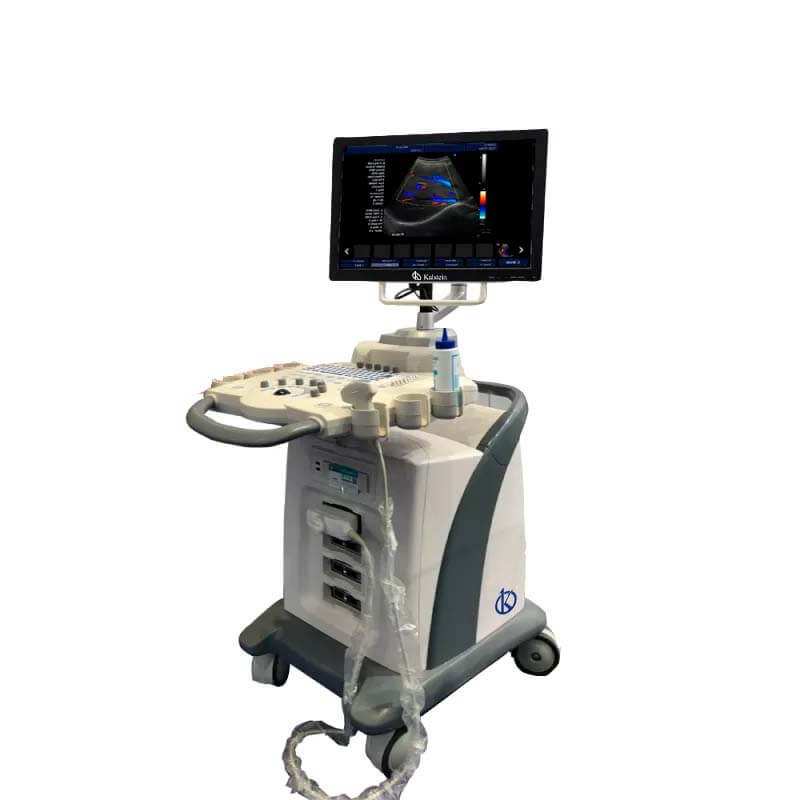
Understanding Results Interpretation and Measurement Reading with the YR05149 Ultrasound Color Doppler
The YR05149 Ultrasound Color Doppler is a highly advanced diagnostic tool used in various medical fields. This article will focus on the interpretation of results and measurement reading specific to this model. Understanding how to accurately read and interpret the results from the YR05149 can enhance diagnostic accuracy and improve patient outcomes.
Technical Specifications of the YR05149
| Model | Brand | Category | Subcategory | Price (USD) |
|---|---|---|---|---|
| YR05149 | Kalstein | Ultrasound Scanner | Ultrasonic Color Doppler Diagnostic System | 4400.00 |
| Weight (Gross) | Dimensions | Package | Hard Drive | Ports |
| 222 kg | x x | 162 x 72 x 95 cm | 64 GB (SSD), optional 120 G/200 GB SSD | 4 Transducer Ports, 4 USB Ports |
Principle of Operation of YR05149
The YR05149 operates using advanced ultrasound technology that relies on the principles of sound wave propagation and reflection. When the ultrasound transducer emits sound waves into the body, these waves encounter different tissues. The varying densities and boundaries of these tissues cause the waves to reflect back, allowing the system to create an image of the internal structures. This section will explain the significance of key components such as the transducer and signal processing technology used in the YR05149.
Additionally, the YR05149 employs a variety of imaging modes, including CF+B mode and M-mode, which enhance its functionality. By integrating these various modes, the YR05149 can provide detailed images and accurate measurements, crucial for effective diagnosis and treatment planning.
Reading Measurement Results
Accurate measurement interpretation is essential in clinical settings. The YR05149 provides various parameters and values that healthcare professionals must understand. This section will break down how to read the display, interpret the measurements provided, and understand normal ranges for parameters like IMT (Intima-Media Thickness) and blood flow velocities.
For example, the IMT measurement can indicate a patient's risk for cardiovascular diseases, and it is critical to understand its normal ranges and the implications of results outside this range.
Common Misinterpretations and Error Reduction
Despite the advanced technology in the YR05149, misinterpretations can occur. This section will address common pitfalls that operators might face while reading measurements. Issues such as operator dependency, equipment calibration, and environmental factors can affect readings. We will also outline strategies to mitigate these errors, such as routine calibration checks and training modules for users to familiarize themselves with the equipment.
Use Cases in Different Clinical Settings
The YR05149 is versatile and can be adapted for use in various clinical environments. Whether in cardiology, obstetrics, or general diagnostics, the principles of measurement interpretation remain consistent, yet they may require different approaches. This section will detail how YR05149 is utilized in specific clinical scenarios, emphasizing how the interpretation of results changes depending on the use case.
Frequently Asked Questions
What is the significance of IMT measurements provided by the YR05149?
IMT measurements are critical in assessing the health of arteries, as they offer insights into potential cardiovascular risks. Understanding the normal ranges and interpreting abnormal values can significantly impact treatment plans.
How can I reduce errors when interpreting results from the YR05149?
Errors can be minimized by ensuring regular calibration of the device, comprehensive operator training, and double-checking measurements against established norms.
What types of images can the YR05149 produce, and how are they used?
The YR05149 can produce various types of images, including 2D, 3D, and Doppler images. These images are used for different diagnostic purposes, such as assessing blood flow and identifying abnormalities in tissue structure.
Can the YR05149 be used in pediatric settings?
Yes, the YR05149 is suitable for pediatric use, provided that appropriate transducers and techniques are applied to accommodate the unique anatomical considerations of children.
What should I do if the YR05149 displays an error code?
Refer to the user manual for troubleshooting steps related to specific error codes. Common solutions include resetting the device, checking connections, and ensuring software updates are applied.
What are the maintenance requirements for the YR05149?
Regular maintenance includes daily cleaning of transducers, routine calibration, and software updates. Keeping a log of maintenance activities can help track performance and identify any recurring issues over time.
If you are looking for a fusion of innovation and quality, you have come to the right place. At Kalstein, we offer you the luxury of exploring our exclusive catalog of laboratory equipment. We manufacture every device to the highest standards of excellence. Our intuitive and seamless online purchasing channels are designed for your convenience, securing the most competitive prices. Hesitate no longer — we bring science to life, it is time to become part of our community.