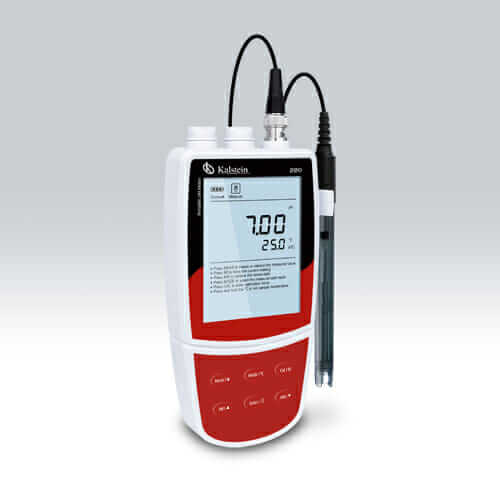
Understanding ISO/IEC Standards and Regulatory Compliance for Table pH Meters
In laboratory environments, achieving accurate and reliable measurements is crucial. Table pH meters play a significant role in various applications, from research and development to quality control in industries such as pharmaceuticals and food. However, ensuring these instruments comply with ISO/IEC standards is vital for maintaining laboratory integrity and meeting regulatory requirements. This article explores the key ISO/IEC standards relevant to table pH meters, examining how each model contributes to compliance.
ISO/IEC Standards Relevant to Table pH Meters
Table pH meters must adhere to several ISO and IEC standards that govern their operation and reliability. Understanding these standards is essential for laboratory professionals to ensure compliance and maintain high-quality analytical practices.
ISO 17025: General Requirements for the Competence of Testing and Calibration Laboratories
ISO 17025 outlines the requirements for laboratories to demonstrate their competence in testing and calibration. It covers aspects such as personnel qualifications, equipment calibration, and quality assurance. Table pH meters, including models like YR0220A and YR01822, must be calibrated regularly to meet these specifications, ensuring accurate pH measurements across various applications.
IEC 61010: Safety Requirements for Electrical Equipment for Measurement, Control, and Laboratory Use
IEC 61010 specifies safety requirements for electrical equipment used in laboratories. Compliance ensures that table pH meters, such as the YR01825 and YR01823-2, are safe to operate, minimizing risks associated with electrical hazards. Regular maintenance and safety checks are crucial for adhering to this standard.
ISO 15189: Medical Laboratories - Requirements for Quality and Competence
ISO 15189 focuses on the quality and competence of medical laboratories. For labs using table pH meters in clinical settings, compliance with this standard ensures that equipment is regularly calibrated and maintained, providing reliable results. Models like YR01823 and YR01826 are equipped with features facilitating compliance, such as automatic calibration functions.
Comparison of Available Models
| Model | ISO/IEC Clauses Covered | Traceability Features | Best For |
|---|---|---|---|
| YR0220A | ISO 17025, IEC 61010 | 1-5 point calibration | Pharmaceutical labs |
| YR01822 | ISO 15189 | Automatic temperature compensation | Clinical settings |
| YR01825 | IEC 61010 | Data storage capabilities | Research applications |
| YR01823-2 | ISO 17025 | Automatic diagnostics of probes | Quality control |
| YR01823 | ISO 15189 | Wireless data transfer | Laboratory testing |
| YR01826 | IEC 61010 | Low battery alarm | Field testing |
Common Mistakes and How to Avoid Them
Laboratory professionals often encounter pitfalls when using table pH meters. Here are some common mistakes and strategies for avoiding them.
- Neglecting Calibration: Regular calibration is vital for compliance with ISO standards. Implement a calibration schedule based on usage frequency.
- Inadequate Training: Ensure all personnel are trained in using pH meters, particularly features that promote compliance, like those in YR01822.
- Ignoring Maintenance: Routine maintenance is key to preventing malfunctions. Adhere to manufacturer guidelines for each model to ensure longevity and reliability.
Understanding the Importance of Traceability in pH Measurements
Traceability refers to the ability to link measurements to national or international standards. For table pH meters, maintaining traceability ensures that the pH readings are accurate and reliable, which is crucial for compliance with ISO/IEC standards. Models like YR0220A offer extensive calibration options that aid in traceability, thus enhancing laboratory credibility.
Best Practices for Complying with ISO/IEC Standards
Adhering to best practices is essential for maintaining compliance with ISO/IEC standards. Here are some effective strategies:
- Develop a Compliance Checklist: Create a checklist that aligns with ISO/IEC standards, ensuring all procedures are followed systematically.
- Regular Audits: Conduct regular audits of laboratory practices, focusing on the use and maintenance of table pH meters.
- Documentation: Maintain thorough records of calibrations, maintenance, and training sessions to demonstrate compliance.
Frequently Asked Questions
How can I ensure my table pH meter complies with ISO 17025 standards?
To ensure compliance with ISO 17025, regularly calibrate your table pH meter, such as the YR0220A, using recognized standards. Implement a quality control program that includes documentation of calibration results and maintenance records.
Which features of table pH meters enhance compliance with IEC 61010?
Table pH meters like the YR01825 incorporate safety features that enhance compliance with IEC 61010, such as automatic shut-off and robust electrical design to minimize safety hazards during operation.
What documentation is required for ISO 15189 compliance in pH testing?
ISO 15189 requires documentation of calibration, maintenance, and training for personnel. For instance, using the YR01823 model can help simplify data logging and traceability, ensuring you meet documentation standards.
How often should I calibrate my table pH meter to meet regulatory requirements?
Calibration frequency depends on usage; however, regular calibration is recommended for compliance with ISO 17025. For instance, the YR01822 model provides automatic calibration reminders, aiding compliance efforts.
What is the role of automatic temperature compensation in pH meters?
Automatic temperature compensation (ATC), found in models like YR01826, helps ensure that pH readings are accurate across temperature variations, which is crucial for compliance with ISO standards.
How can I track the compliance status of my laboratory's pH meters?
Implement a compliance management system that includes a tracking component. Use models like the YR01823-2, which provide data storage capabilities for easy tracking of calibrations and maintenance.
What training is necessary for laboratory staff using pH meters?
Laboratory staff should receive training on the proper use of pH meters, such as the YR0220A, covering calibration procedures, maintenance requirements, and ISO compliance protocols to ensure reliable results.
How do I select a pH meter that meets ISO compliance for my laboratory?
Select a pH meter that offers features aligned with ISO standards, such as automatic calibration, data logging, and temperature compensation. The YR01825 is an excellent choice due to its comprehensive compliance features.
If you are looking for a fusion of innovation and quality, you have come to the right place. At Kalstein, we offer you the luxury of exploring our exclusive catalog of laboratory equipment. We manufacture every device to the highest standards of excellence. Our intuitive and seamless online purchasing channels are designed for your convenience, securing the most competitive prices. Hesitate no longer — we bring science to life, it is time to become part of our community.