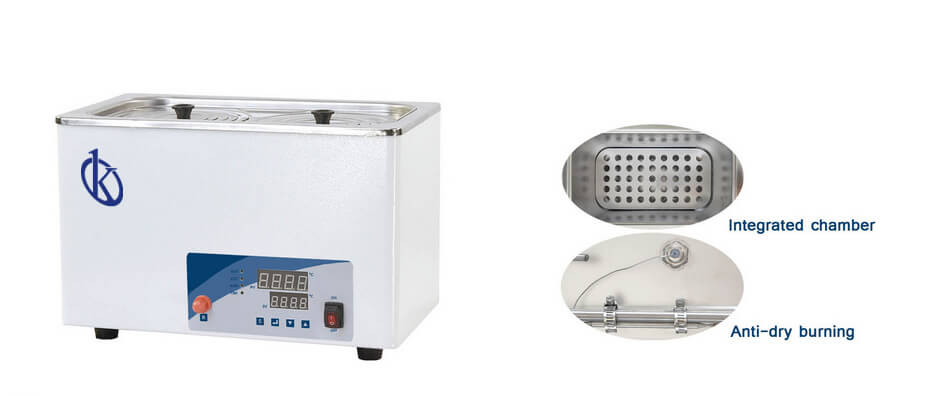
Understanding ROI and Cost-Benefit Analysis for Water Baths in Laboratories
In laboratory settings, water baths are essential tools utilized for various applications, from incubating samples to maintaining temperature stability in experiments. However, purchasing and operating water baths involves significant investment, hence understanding the return on investment (ROI) and conducting a thorough cost-benefit analysis is crucial. This article explores the financial implications of different water bath models, helping laboratory professionals make informed decisions.
Framing Water Baths Through ROI and Cost-Benefit Analysis
Water baths serve numerous purposes in laboratories, making them a common fixture. The analysis of ROI and cost-benefit is essential for laboratories aiming to optimize their budget while ensuring operational efficiency. Evaluating the upfront costs, maintenance expenses, and the potential gains from using different water bath models allows for a clearer picture of their value within laboratory workflows.
Comparison of Available Models
| Model | CAPEX (USD) | Cost per Test | Payback (Months) | Recommended Scenario |
|---|---|---|---|---|
| YR05073 | $67.00 | $1.50 | 6 | Small scale experiments |
| YR05074 | $80.00 | $1.75 | 7 | Medium laboratories |
| YR030L | $602.00 | $10.00 | 12 | Large institutions and research |
| YR05001 | $1974.00 | $35.00 | 24 | Continuous use in chemical reactions |
| YR05002 | $2646.00 | $45.00 | 30 | High-capacity chemical processing |
| YR05003 | $2982.00 | $50.00 | 36 | Advanced chemical research labs |
Understanding ROI in Water Bath Procurement
When analyzing ROI for water baths, it's vital to consider both direct and indirect costs associated with their purchase and usage. Direct costs include the initial purchase price, which can vary significantly depending on the model. For example, the YR05073 model is priced at $67, making it an attractive option for smaller labs. Indirect costs encompass operational expenses such as electricity, water, and maintenance, which should also influence purchasing decisions. Analyzing these factors helps determine which models yield the best ROI over time.
Cost-Benefit Analysis Techniques
A cost-benefit analysis for water baths should start by estimating the total cost of ownership (TCO). This includes the purchase price, operating costs, and projected lifespan of the equipment. Additionally, projecting the benefits—such as time savings and improved results—is essential. For example, while the YR030L model costs $602, its advanced features may justify the expense through enhanced precision and reliability during critical experiments.
Factors Influencing ROI and Cost-Benefit Outcomes
Several factors contribute to the final ROI and cost-benefit analysis results of water baths. These include:
- Volume of Use: High-frequency labs should consider models like the YR05001, despite their higher initial costs, due to their efficiency and capabilities.
- Energy Consumption: Assessing each model's energy demands can significantly impact operating costs over time.
- Maintenance Requirements: Regular maintenance can add to costs, making models with lower maintenance needs more appealing.
Quantitative Breakdown of Costs
| Model | Initial Cost (USD) | Annual Maintenance Cost (USD) | Total Operating Cost (5 Years) |
|---|---|---|---|
| YR05073 | $67.00 | $10.00 | $167.00 |
| YR05074 | $80.00 | $15.00 | $155.00 |
| YR030L | $602.00 | $100.00 | $1,102.00 |
| YR05001 | $1974.00 | $150.00 | $2,424.00 |
| YR05002 | $2646.00 | $200.00 | $3,646.00 |
| YR05003 | $2982.00 | $250.00 | $4,982.00 |
Common Mistakes and How to Avoid Them
Laboratories often make several common mistakes during the procurement process that can negatively impact ROI and cost-benefit analyses:
- Ignoring Total Cost of Ownership: Focusing solely on initial costs without considering long-term expenditures can lead to poor investment decisions.
- Underestimating Maintenance Needs: Failing to account for ongoing maintenance can inflate operational costs unexpectedly.
- Not Analyzing Usage Requirements: Choosing a model that does not align with specific laboratory needs can decrease efficiency and increase costs.
Frequently Asked Questions
What is the ROI of the YR05073 water bath in a small laboratory?
The YR05073 water bath, priced at $67, can achieve a payback period of around 6 months, making it a cost-effective option for small laboratories aiming to control expenses while maintaining efficiency.
How does the YR030L water bath shaker enhance productivity in research labs?
The YR030L water bath shaker features precise temperature control and silent operation, making it ideal for research labs where sample integrity is critical, thus streamlining workflows and increasing throughput.
What are the maintenance costs associated with the YR05001 circulator pump?
The YR05001 circulator pump has an estimated annual maintenance cost of around $150, which should be factored into any ROI analysis to accurately assess total operational expenses.
How does the energy consumption of water baths affect the overall cost in laboratories?
Energy consumption can significantly impact the annual operating costs of water baths. For instance, models with higher efficiency ratings can save money in the long run, improving ROI.
What is the total cost of ownership for the YR05074 model over five years?
The YR05074 model has an estimated total cost of ownership of approximately $155 for five years, considering its initial cost and maintenance needs, making it a competitive option for mid-sized laboratories.
How can the YR05002 circulator pump support cost-effective chemical processing?
The YR05002 circulator pump, with its high efficiency and low operational costs, can handle chemical processes effectively, making it a worthwhile investment for labs focused on maximizing productivity while minimizing expenses.
What should laboratories consider when selecting a water bath for specific applications?
When selecting a water bath, laboratories should evaluate the model's temperature range, precision, maintenance needs, and compatibility with their specific applications to ensure optimal performance and ROI.
How can a laboratory optimize its ROI with the right water bath model?
By choosing models that align with their throughput requirements, energy efficiency, and operational needs—like the YR05073 for small labs—laboratories can optimize their ROI and enhance overall productivity.
If you are looking for a fusion of innovation and quality, you have come to the right place. At Kalstein, we offer you the luxury of exploring our exclusive catalog of laboratory equipment. We manufacture every device to the highest standards of excellence. Our intuitive and seamless online purchasing channels are designed for your convenience, securing the most competitive prices. Hesitate no longer — we bring science to life, it is time to become part of our community.