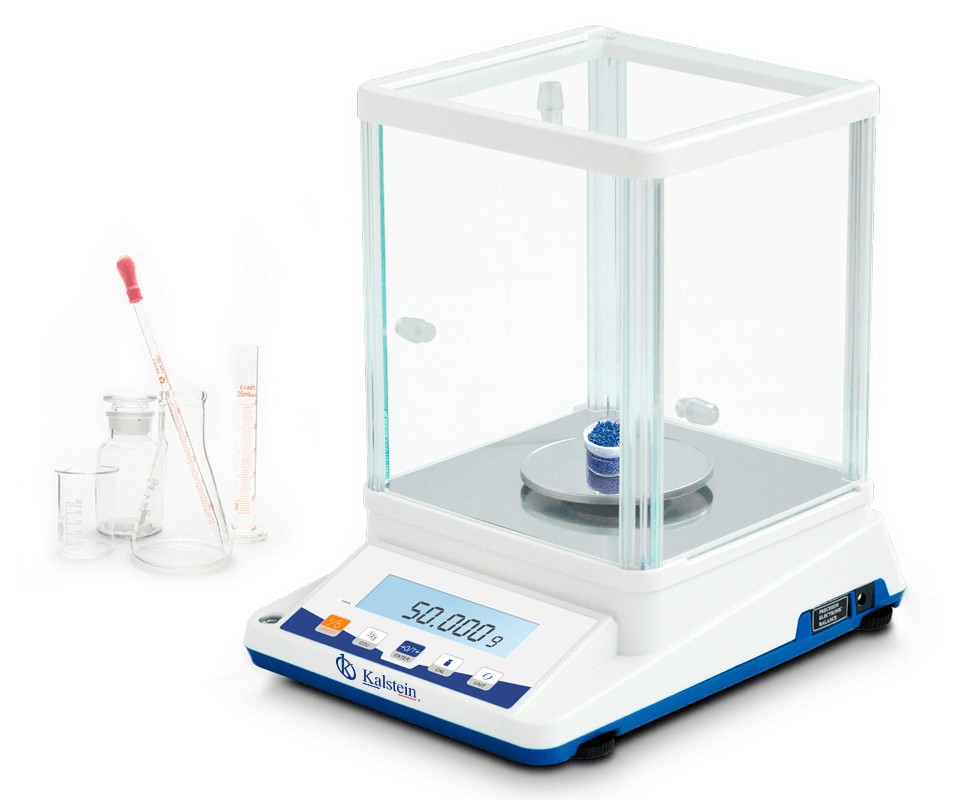
Understanding ROI and Cost-Benefit Analysis for Precision Balances in Laboratories
In the realm of laboratory operations, precision balances stand as fundamental instruments that facilitate accurate measurements. The implementation of these devices is not merely an operational necessity; it significantly impacts the laboratory's financial health. This article delves into the return on investment (ROI) and cost-benefit analysis (CBA) related to precision balances, offering laboratory professionals comprehensive insights into making informed decisions.
Why ROI and Cost-Benefit Analysis Matter in Laboratory Settings
Calculating the ROI and conducting a cost-benefit analysis are crucial for laboratory managers who need to justify expenditures on precision balances. By understanding these metrics, labs can align their financial strategies with their operational goals. Investments in precision balances can lead to enhanced accuracy, reduced errors, and ultimately, improved lab productivity, which contributes to better financial outcomes in the long run.
Key Metrics for Assessing ROI
When evaluating ROI for precision balances, several key metrics should be considered:
- Initial Investment: This includes the purchase price of the balance and any additional costs related to installation and training.
- Operational Costs: Ongoing expenses such as maintenance, calibration, and consumables that are necessary to keep the balance functioning optimally.
- Expected Lifespan: The projected operational life of the precision balance, which affects depreciation calculations.
- Cost Savings: Any financial benefits realized through increased accuracy and efficiency, including reduced material waste and fewer re-tests.
Benefits of Investing in Precision Balances
The benefits of precision balances extend beyond mere measurement. Here are some key advantages that contribute to a favorable ROI:
- Accuracy: Precision balances provide high-level accuracy, ensuring that measurements are reliable, which is crucial for quality control and research purposes.
- Efficiency: These balances often come with features that streamline processes, allowing for faster measurements and improved throughput.
- Compliance: Many precision balances are designed to meet international standards, ensuring that laboratories remain compliant with regulations such as ISO 17025.
Comparison of Available Models
| Model | Capacity (g) | Readability (g) | Price (USD) | Best for |
|---|---|---|---|---|
| YR05584 | 110 | 0.001 | 75.00 | Routine laboratory use |
| YR05585 | 210 | 0.001 | 80.00 | General weighing tasks |
| YR05586 | 310 | 0.001 | 80.00 | Precision applications |
| YR05587 | 110/610 | 0.001 | 80.00 | Versatile weighing needs |
| YR05588 | 210 | 0.01 | 31.00 | Cost-effective solutions |
| YR05589 | 310 | 0.01 | 31.00 | Lightweight tasks |
Common Mistakes and How to Avoid Them
Laboratory professionals often make mistakes that can lead to suboptimal ROI from precision balances. Here are some common pitfalls:
- Neglecting Maintenance: Failing to regularly calibrate and maintain balances can lead to inaccurate results and increased operational costs.
- Overlooking Training: Inadequate training can result in improper use of balances, which can skew data and lead to costly errors.
- Ignoring Compliance: Not ensuring that balances meet relevant standards can result in regulatory issues and impact the lab’s credibility.
Best Practices for Maximizing ROI on Precision Balances
To achieve the best return on investment, consider implementing these best practices:
- Regular Training: Ensure all users are proficient in the operation of the precision balances to minimize user errors.
- Scheduled Maintenance: Develop a routine maintenance schedule to keep balances in optimal working condition.
- Invest Wisely: Select models that best match your operational needs to avoid overspending on unnecessary features.
Frequently Asked Questions
What is the average ROI for precision balances in laboratory settings?
The average ROI for precision balances typically ranges from 15-25% annually, depending on usage and operational efficiency. For example, the YR05584 model, priced at $75.00, can significantly increase lab efficiency, generating savings that contribute to this ROI.
How do I calculate the cost per test for a precision balance?
To calculate the cost per test for a precision balance, divide the total operational costs by the number of tests conducted within a given period. For instance, if the total cost of using the YR05585 model is $800 over a year and 1000 tests are performed, the cost per test would be $0.80.
Which precision balance is the best for compliance with ISO 17025?
The Precision Balance YR05586 is designed to meet ISO 17025 standards, ensuring traceability and accuracy in measurements, which are crucial for compliance in laboratory environments.
What features should I look for in a precision balance for cost-effective operations?
For cost-effective operations, seek features like tare functions, unit conversions, and minimum weight capacities. Models like the YR05588 offer a price of $31.00 while still providing essential functionalities needed in laboratory settings.
How can precision balances impact overall lab productivity?
Investing in precision balances can enhance lab productivity by reducing measurement errors and time spent on re-tests. For instance, the YR05587 model allows for quick data retrieval, supporting high-throughput environments.
What are the key operational costs associated with precision balances?
Key operational costs include maintenance, calibration, and consumables. For example, routine calibration of models like YR05584 may incur costs that impact the overall ROI if not budgeted for effectively.
How long should a precision balance last in a laboratory?
Typically, precision balances have a lifespan of 5-10 years, depending on usage and maintenance. Regular maintenance of models such as YR05586 can help maximize this lifespan and ensure consistent performance.
What is the payback period for investing in a precision balance?
The payback period for a precision balance can vary but is generally estimated between 6-18 months. For example, investing in the YR05585 model can yield savings through improved operational efficiency, contributing to a shorter payback period.
If you are looking for a fusion of innovation and quality, you have come to the right place. At Kalstein, we offer you the luxury of exploring our exclusive catalog of laboratory equipment. We manufacture every device to the highest standards of excellence. Our intuitive and seamless online purchasing channels are designed for your convenience, securing the most competitive prices. Hesitate no longer — we bring science to life, it is time to become part of our community.