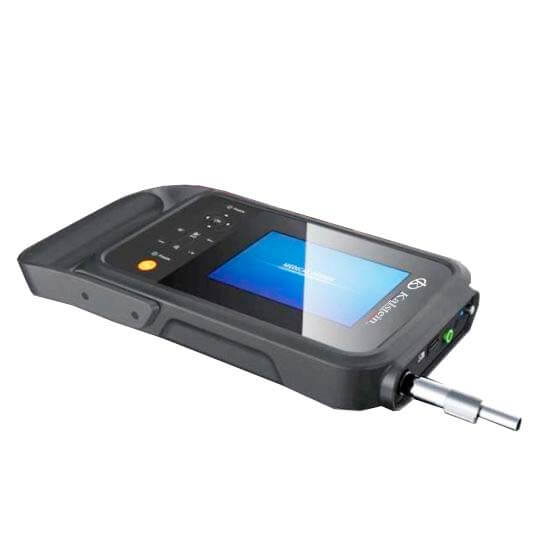
Ensuring Regulatory Compliance with Ultrasonic Diagnostic Equipment in Laboratories
In laboratory settings, ensuring compliance with ISO/IEC regulations is crucial for the reliability and safety of diagnostic equipment. Ultrasonic diagnostic equipment, such as portable ultrasound machines and advanced imaging systems, plays a significant role in various medical and veterinary applications. This article discusses the importance of regulatory compliance, dives into specific ISO/IEC standards, and compares multiple models within the ultrasonic diagnostic equipment subcategory.
Understanding ISO/IEC Standards and Their Importance
The International Organization for Standardization (ISO) and the International Electrotechnical Commission (IEC) set forth standards that ensure the quality, safety, and efficiency of laboratory equipment. Compliance with these standards helps laboratories operate effectively while minimizing risks associated with diagnostic inaccuracies.
ISO 17025 is a primary standard that establishes general requirements for the competence of testing and calibration laboratories. This standard ensures that laboratories are capable of producing valid and reliable results. Compliance with ISO 15189 focuses specifically on medical laboratories, addressing the quality management systems needed for clinical testing.
How Ultrasonic Diagnostic Equipment Meets ISO/IEC Standards
Ultrasonic diagnostic equipment, like the Veterinary Ultrasound with Professional Rectal Probe YR05146 and the 3D4D Obstetric Ultrasound GYN YR05147, is designed to enhance diagnostic accuracy while adhering to regulatory standards. These devices often feature software that ensures data integrity, traceability, and adherence to specific testing protocols as outlined by ISO and IEC standards.
For example, the YR05147 model includes integrated 3D ultrasound software that helps in producing reliable obstetric reports, ensuring that all procedures comply with ISO 15189 by facilitating accurate patient information and data handling. Each model's features contribute to maintaining compliance with established regulations, providing confidence in diagnostic results.
Comparison of Available Models
| Model | ISO/IEC Clauses Covered | Traceability Features | Best For |
|---|---|---|---|
| YR05146 | ISO 17025, ISO 15189 | USB and SD connection for data integrity | Veterinary diagnostics |
| YR05147 | ISO 15189 | Integrated reporting software | Obstetrics and gynecology |
| YR05154 | ISO 17025 | Standard USB connectivity | General diagnostics |
| YR05154-1 | ISO 17025 | Tablet integration for data accuracy | Mobile diagnostics |
| YR05155 | ISO 17025 | Standardized software for traceability | General diagnostics |
| YR05155-1 | ISO 17025 | Tablet interface for real-time data | Portable diagnostics |
Documentation Requirements for Compliance
Documentation plays a critical role in achieving ISO/IEC compliance. Laboratories must maintain detailed records of equipment calibration, maintenance, and operation procedures. Each ultrasonic device should have a clear set of operating instructions, training records, and compliance checks readily available for audits.
For instance, the YR05146 model's software facilitates automatic reporting that can be archived for compliance documentation, ensuring that all tests are traceable and conforming to the necessary standards. Furthermore, laboratories must ensure that their personnel are trained and certified in how to operate these devices in compliance with ISO guidelines.
Common Mistakes and How to Avoid Them
One common mistake laboratories make is failing to keep up with the latest updates to ISO/IEC standards. Regularly reviewing changes in regulations is essential to maintaining compliance. Another mistake is inadequate training of laboratory personnel, which can lead to misinterpretation of the standards or incorrect usage of equipment.
To avoid these pitfalls, laboratories should implement regular training sessions, updates to protocols, and internal audits to ensure that all staff members are aware of current compliance measures. Devices such as the YR05147 can provide training modules that help reinforce proper usage and compliance practices.
Frequently Asked Questions
What ISO standards does the Veterinary Ultrasound with Professional Rectal Probe YR05146 comply with?
The Veterinary Ultrasound with Professional Rectal Probe YR05146 complies with ISO 17025 and ISO 15189 standards, ensuring that it meets the necessary criteria for reliable veterinary diagnostics while maintaining data integrity through its USB and SD connectivity.
How can ultrasonic diagnostic equipment ensure compliance with ISO 15189?
Ultrasonic diagnostic equipment, like the 3D4D Obstetric Ultrasound GYN YR05147, ensures compliance with ISO 15189 by utilizing integrated reporting software that maintains accurate patient data and adheres to quality management requirements needed in medical laboratories.
What are the documentation requirements for ISO compliance in ultrasonic diagnostics?
Documentation requirements for ISO compliance in ultrasonic diagnostics include maintaining calibration records, operation procedures, and training documentation. The YR05146 model facilitates this by providing automatic reporting that can be used for auditing purposes.
How does the 3D4D Obstetric Ultrasound YR05147 enhance compliance with regulatory standards?
The 3D4D Obstetric Ultrasound YR05147 enhances compliance with regulatory standards by providing accurate, standardized reports and using protocols that align with ISO 15189, ensuring that obstetric diagnostics are reliable and traceable.
Which models are best for achieving regulatory compliance in laboratories?
Models like YR05146 and YR05147 are best for achieving regulatory compliance in laboratories as they are designed with features that meet ISO/IEC requirements, such as USB connectivity for data traceability and integrated reporting systems.
How often should ultrasonic diagnostic equipment be calibrated to maintain compliance?
Ultrasonic diagnostic equipment should be calibrated regularly, typically every 6 to 12 months, to maintain compliance with ISO 17025. Ensuring equipment like the YR05155 is calibrated helps uphold the accuracy and reliability of diagnostic results.
What role does staff training play in achieving ISO compliance in laboratories?
Staff training is crucial for achieving ISO compliance in laboratories. Properly trained personnel ensure that models like the YR05154 are used correctly, which is essential for maintaining accurate diagnostics and meeting regulatory standards.
What is the best way to ensure the quality of ultrasonic diagnostic equipment?
The best way to ensure the quality of ultrasonic diagnostic equipment is through regular maintenance, calibration, and adherence to ISO/IEC standards. Utilizing models like YR05155-1 can help streamline these processes with integrated software solutions.
If you are looking for a fusion of innovation and quality, you have come to the right place. At Kalstein, we offer you the luxury of exploring our exclusive catalog of laboratory equipment. We manufacture every device to the highest standards of excellence. Our intuitive and seamless online purchasing channels are designed for your convenience, securing the most competitive prices. Hesitate no longer — we bring science to life, it is time to become part of our community.