Ensuring Regulatory Compliance with ISO/IEC Standards in Histopathology Laboratories
In the rapidly evolving field of histopathology, adhering to ISO/IEC standards is essential not just for compliance but also for enhancing the quality and reliability of lab outputs. The regulations encapsulate a wide range of requirements that directly influence operational processes, equipment selection, and consumables used in histopathology laboratories. This article aims to elucidate how these standards can be effectively integrated into laboratory practices while examining key consumables available in the market.
Understanding ISO/IEC Standards Relevant to Histopathology
ISO/IEC standards provide a framework for laboratory management and operational processes, ensuring quality, reliability, and efficiency. For histopathology labs, relevant standards include ISO 17025, which specifies the general requirements for the competence of testing and calibration laboratories, and ISO 15189, which relates specifically to medical laboratories. Compliance with these standards helps labs demonstrate their ability to produce valid and reliable test results.
ISO 17025 emphasizes the importance of systematic and structured operational protocols that cover everything from quality assurance to document control. Meanwhile, ISO 15189 focuses on aspects such as staff competence and the management of laboratory environments, ensuring that histopathological analyses are performed under optimal conditions.
Key ISO/IEC Clauses and Their Implications for Histopathology Labs
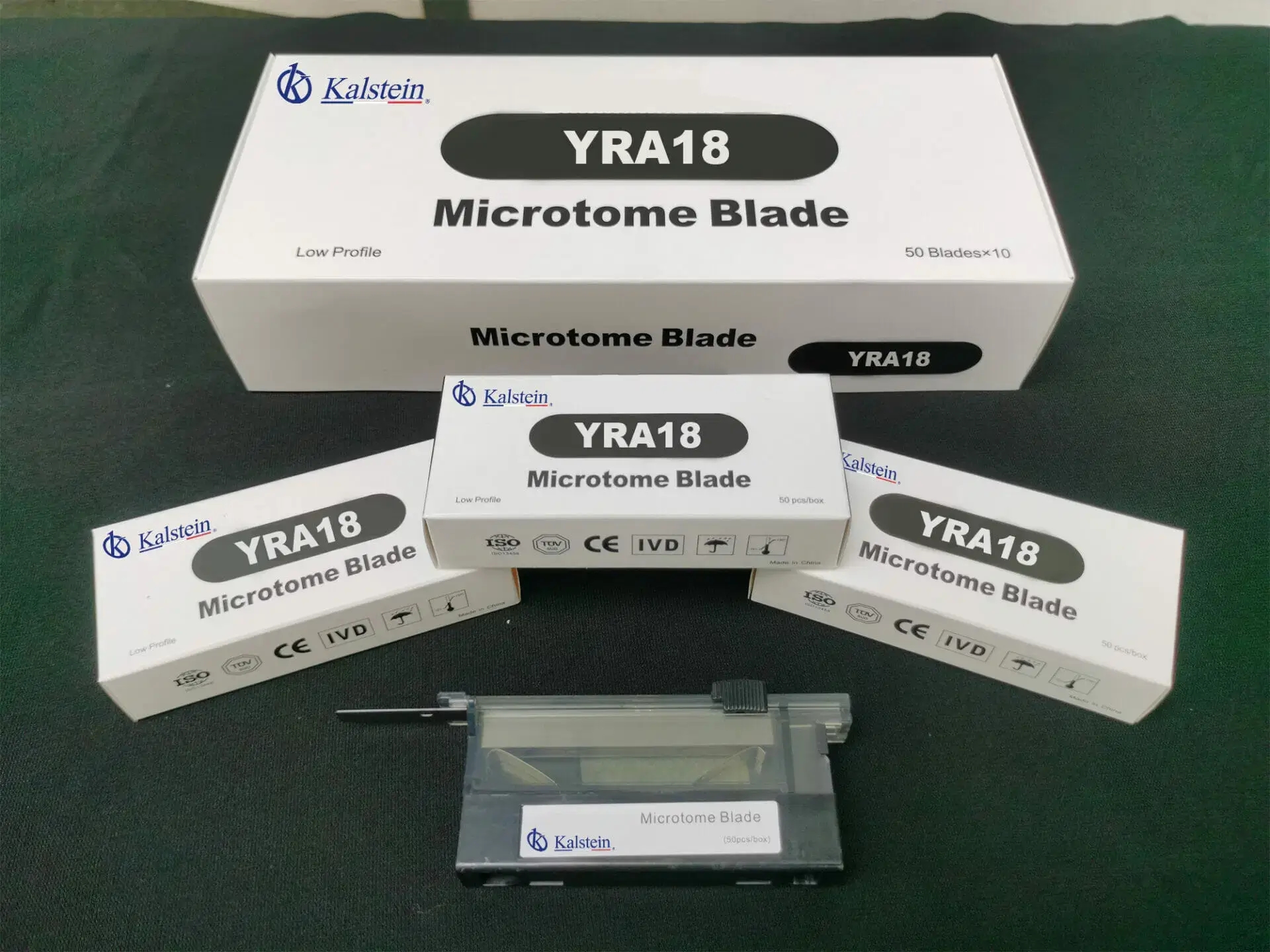
Each clause within ISO/IEC standards outlines specific requirements that histopathology laboratories must meet. For instance, ISO 17025 requires documented processes for all laboratory activities to ensure traceability. This clause directly impacts the selection of consumables and the standardization of procedures. Consistent use of high-quality consumables, such as the Disposable Microtome Blade (Low profile) YRA18-1, enhances the quality of the samples processed, which is vital for compliance.
Moreover, maintaining thorough documentation of the use of consumables like the Tissue Embedding Cassette YRA20-1 aids in demonstrating compliance during audits. Such consumables must be chosen not only for their performance but also for their ability to be tracked throughout the sample processing workflow.
Choosing Consumables That Meet ISO/IEC Requirements
When selecting consumables, laboratories must consider how each product aligns with ISO/IEC requirements. The Disposable Microtome Blade (High profile) YRA19-1, for example, is designed to reduce errors and enhance efficiency, directly supporting the compliance objectives of the laboratory. The stringent quality control measures in its manufacturing ensure that it meets the specification necessary for high-quality histopathological preparations.
Additionally, using products like the Plastic Cassette with Plastic Cover YRA21-1 allows for safe sample storage and handling, which is also a requirement under many ISO/IEC clauses. Laboratories must conduct thorough evaluations of their suppliers to ensure that all consumables meet the appropriate standards for quality and reliability.
Comparison of Available Models
| Model | ISO/IEC Clauses Covered | Traceability Features | Best For |
|---|---|---|---|
| YRA18-1 | ISO 17025 | Documented usage | Normal tissue samples |
| YRA19-1 | ISO 15189 | Batch tracking | High precision cutting |
| YRA20-1 | ISO 17025 | Integrated labeling systems | Tissue embedding |
| YRA21-1 | ISO 15189 | Visual management | Sample archiving |
| YRA33-2 | ISO 17025 | Traceability documentation | Embedding processes |
| YRA33-3 | ISO 15189 | Batch documentation | High-volume applications |
The Role of Documentation in Compliance
Documentation is a critical component of regulatory compliance, particularly when it comes to the traceability of laboratory activities. Each consumable used in histopathology must be accompanied by comprehensive records detailing their usage and the outcomes of analyses. This is where products like the Paraffin Block YRA33-2 become indispensable, as they are often required to maintain samples for extended periods.
Lab managers should implement structured documentation practices to ensure that all relevant information is captured, which not only satisfies regulatory obligations but also improves overall lab efficiency. Integrating a laboratory information management system (LIMS) can streamline this process, ensuring real-time updates and easy access to records.
Common Mistakes and How to Avoid Them
Histopathology laboratories often face challenges in achieving ISO/IEC compliance. Common mistakes include inadequate documentation, failure to train staff on compliance practices, and neglecting the importance of high-quality consumables. To avoid these pitfalls, labs should invest in training programs that emphasize compliance requirements and the importance of proper consumable selection.
Moreover, regular audits should be conducted to assess compliance levels and identify areas needing improvement. By employing a proactive approach, laboratories can significantly enhance their chances of maintaining compliance with ISO/IEC standards.
Frequently Asked Questions
How do ISO/IEC standards impact histopathology laboratory operations?
ISO/IEC standards set the framework for best practices in histopathology labs. Compliance ensures quality and reliability in lab results. For instance, using the Disposable Microtome Blade (Low profile) YRA18-1 aligns with ISO 17025, ensuring precise sample processing.
What are the key ISO/IEC clauses for histopathology consumables?
Key clauses include requirements for traceability and quality assurance. For example, the Tissue Embedding Cassette YRA20-1 helps fulfill ISO 17025 traceability requirements, supporting accurate tissue sample handling and storage.
Which consumables are essential for ISO 15189 compliance in histopathology?
Essential consumables include high-quality microtome blades and embedding cassettes. The Disposable Microtome Blade (High profile) YRA19-1 is particularly suitable as it enhances precision and reduces errors, vital for ISO 15189 compliance.
How can documentation help meet ISO/IEC standards in histopathology labs?
Thorough documentation tracks the usage of each consumable, thereby supporting compliance during audits. Implementing structured records with products like the Plastic Cassette with Plastic Cover YRA21-1 ensures easy traceability.
What are the common mistakes in achieving ISO/IEC compliance in histopathology?
Common mistakes include poor documentation and inadequate staff training. Providing comprehensive training on the importance of high-quality consumables, such as the Paraffin Block YRA33-2, helps mitigate these mistakes.
How can I ensure the quality of consumables in histopathology labs?
To ensure quality, laboratories should evaluate suppliers and perform regular quality checks. Using reputable products like Granular Paraffin YRA33-3 aids in maintaining high-quality standards in sample processing.
What is the importance of training staff on ISO/IEC compliance?
Training staff ensures they understand compliance requirements, improving lab operations. Knowledge of using the Disposable Microtome Blade (Low profile) YRA18-1 correctly enhances overall compliance with regulated standards.
How do I select the best consumables for my histopathology lab?
Select consumables based on their quality, traceability features, and alignment with ISO/IEC standards. Products like the Tissue Embedding Cassette YRA20-1 are specifically designed for optimal compliance and performance.
If you are looking for a fusion of innovation and quality, you have come to the right place. At Kalstein, we offer you the luxury of exploring our exclusive catalog of laboratory equipment. We manufacture every device to the highest standards of excellence. Our intuitive and seamless online purchasing channels are designed for your convenience, securing the most competitive prices. Hesitate no longer — we bring science to life, it is time to become part of our community.