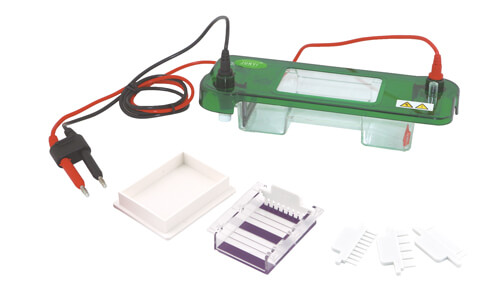
How to Ensure Regulatory Compliance in Horizontal Electrophoresis Labs?
In the realm of laboratory science, particularly in horizontal electrophoresis, ensuring compliance with regulatory standards such as ISO/IEC is paramount. As laboratories expand their capabilities and enhance their technologies, understanding these regulations becomes crucial for maintaining quality and safety. This article will delve into the ISO/IEC standards pertinent to horizontal electrophoresis and compare various models available to meet compliance requirements.
Understanding ISO/IEC Standards in Electrophoresis
ISO/IEC standards provide a framework to ensure that laboratory processes meet quality and safety requirements. The primary standard relevant to laboratories, particularly those engaged in testing and calibration, is ISO 17025. This standard outlines the requirements for the competence of testing and calibration laboratories, serving as a crucial benchmark for regulatory compliance.
Another important standard is ISO 15189, which specifies the requirements for quality and competence in medical laboratories. Compliance with these standards helps labs maintain high-quality practices while enhancing their credibility. In horizontal electrophoresis, adhering to these standards ensures that processes are standardized and reliable, promoting trust in the results produced.
Key Components of Regulatory Compliance
Regulatory compliance in horizontal electrophoresis involves several critical components:
- Documentation: Proper record-keeping is essential for compliance. Laboratories must maintain detailed documentation of processes, methodologies, and results.
- Traceability: Instruments and equipment must be traceable to national standards to ensure accuracy and reliability in testing.
- Audit Checklists: Regular internal audits using checklists can help identify gaps in compliance and facilitate corrective actions.
- Training: Personnel must be trained in compliance protocols to ensure that everyone in the lab adheres to established standards.
Model Comparisons: Meeting Compliance Needs
When selecting horizontal electrophoresis models, it is essential to consider how each model meets specific compliance requirements. Below is a comparison of popular models that adhere to various compliance standards:
| Model | ISO/IEC Clauses Covered | Traceability Features | Best For |
|---|---|---|---|
| YR03415 | ISO 17025 | Integrated calibration support | General laboratory use |
| YR03416 | ISO 15189 | Real-time monitoring capabilities | Clinical diagnostics |
| YR03417 | ISO 17025, ISO 15189 | Traceable calibration methods | Research labs |
| YR03418 | ISO 17025 | Digital reporting system | Educational settings |
| YR03419 | ISO 15189 | Manual traceability records | Quality control |
| YR03420 | ISO 17025 | Automated calibration alerts | High-throughput labs |
Common Mistakes and How to Avoid Them
Laboratories often encounter pitfalls when ensuring compliance with ISO/IEC standards. Here are some common mistakes and tips to avoid them:
- Neglecting Documentation: Failing to keep detailed records can lead to compliance failures. Always document every procedure and result diligently.
- Inadequate Training: Not providing proper training for staff can result in non-compliance. Regularly train all laboratory personnel on compliance protocols.
- Ignoring Internal Audits: Skipping internal audits can lead to unnoticed compliance gaps. Schedule regular audits to ensure adherence to standards.
- Not Staying Updated: Regulations can change. Regularly review and update your compliance practices in line with the latest standards.
Frequently Asked Questions
What ISO standards must horizontal electrophoresis labs comply with?
Horizontal electrophoresis labs must primarily comply with ISO 17025 and ISO 15189. These standards specify requirements for competence, quality, and reliability of laboratory processes. Models like YR03415 and YR03417 are designed to meet these compliance requirements effectively.
How can I ensure traceability in horizontal electrophoresis procedures?
To ensure traceability, labs should use models like YR03416, which incorporates real-time monitoring capabilities and traceable calibration methods. This ensures that every step of the process aligns with ISO/IEC standards, enhancing reliability.
What are the common compliance issues faced in horizontal electrophoresis labs?
Common compliance issues include inadequate documentation, insufficient training of personnel, and lack of adherence to internal audit practices. Employing models such as YR03420 can help mitigate these issues with integrated features that promote compliance.
How do regular audits support compliance in electrophoresis labs?
Regular audits help identify gaps in compliance, ensuring that labs adhere to ISO standards. They allow labs to address deficiencies proactively, ensuring that models like YR03418 consistently meet quality standards required for effective testing.
Which horizontal electrophoresis model is best for clinical diagnostics?
The YR03416 model is ideal for clinical diagnostics, as it complies with ISO 15189 and offers real-time monitoring capabilities. This ensures that laboratories maintain high-quality standards and meet regulatory requirements effectively.
How does training personnel impact compliance in a laboratory?
Training personnel is crucial for compliance, as it ensures that all staff are aware of the ISO/IEC standards and procedures. Using models like YR03419 can facilitate easy integration of training protocols into the laboratory workflow.
What role does documentation play in ISO compliance for laboratories?
Documentation is fundamental to ISO compliance, as it provides a record of laboratory processes, methodologies, and results. Laboratories utilizing models such as YR03415, which include built-in documentation features, can ensure they meet compliance standards effectively.
How often should laboratories conduct internal audits for compliance?
Laboratories should conduct internal audits at least bi-annually to ensure compliance with ISO/IEC standards. Regular audits using structured checklists can help identify and rectify compliance issues, particularly when using models like YR03417.
If you are looking for a fusion of innovation and quality, you have come to the right place. At Kalstein, we offer you the luxury of exploring our exclusive catalog of laboratory equipment. We manufacture every device to the highest standards of excellence. Our intuitive and seamless online purchasing channels are designed for your convenience, securing the most competitive prices. Hesitate no longer — we bring science to life, it is time to become part of our community.