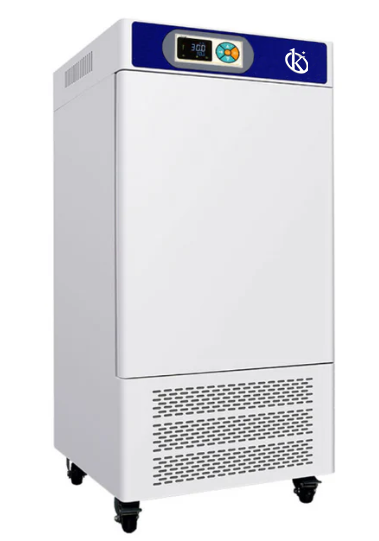
Constant Temperature and Humidity Incubators: ISO/IEC Compliance and Regulatory Considerations 2026
In the ever-evolving landscape of laboratory equipment, constant temperature and humidity incubators play a pivotal role in ensuring accurate and reliable results across various scientific fields. Adhering to ISO/IEC standards is not just a regulatory requirement but a cornerstone for maintaining quality assurance in laboratory practices. This article delves into the critical aspects of ISO/IEC compliance as it pertains to constant temperature and humidity incubators, offering a comprehensive view of how these standards shape laboratory operations in 2026.
Understanding ISO/IEC Standards for Laboratories
ISO/IEC standards serve as essential guidelines for laboratories striving to ensure the quality and reliability of their operations. ISO 17025, for instance, specifies the general requirements for the competence of testing and calibration laboratories, covering aspects such as management, technical competence, and the quality of test results. Compliance with ISO standards not only enhances laboratory credibility but also aligns with international best practices, facilitating smoother operations across borders.
Key Standards Relevant to Constant Temperature and Humidity Incubators
Constant temperature and humidity incubators must meet several key ISO/IEC standards to ensure compliance. ISO 17025 is crucial as it sets the framework for laboratory competence, while IEC 61010 focuses on the safety requirements of electrical equipment used in measurement, control, and laboratory settings. Understanding how these standards apply to incubators is essential for laboratory professionals aiming to maintain quality control and reliability in their operations.
How Constant Temperature and Humidity Incubators Meet Compliance Standards
Each model of constant temperature and humidity incubator comes equipped with features designed to meet specific ISO/IEC requirements. For example, the Constant Temperature and Humidity Incubator YR02053 offers precise temperature control with a range of 0 to 60 degrees Celsius and an accuracy of ± 0.1 degrees Celsius, which is essential for compliance with ISO 17025. Additionally, its stainless steel interior and double-door design enhance both safety and usability.
Comparison of Available Models
| Model | ISO/IEC Clauses Covered | Traceability Features | Best For |
|---|---|---|---|
| YR02053 | ISO 17025, IEC 61010 | Calibration records, temperature logs | Environmental monitoring, research |
| YR02054 | ISO 17025, IEC 61010 | Traceable humidity control | Pharmaceutical testing |
| YR02055 | ISO 17025, IEC 61010 | Data logging, automated reporting | Food safety analysis |
Documentation and Audit Checklists for Compliance
Maintaining compliance with ISO/IEC standards requires meticulous documentation and regular audits. Laboratories should develop comprehensive audit checklists that include calibration schedules, maintenance records, and standard operating procedures (SOPs) for each model of incubator. For instance, the YR02054 model, known for its efficient humidity control, should have documented verification procedures to demonstrate compliance with ISO 17025 requirements.
Traceability and Calibration: Ensuring Compliance
Traceability is a critical aspect of compliance with ISO standards. Laboratories must establish a robust calibration plan to ensure the accuracy of their incubators. For example, the YR02055 model, with advanced data logging features, facilitates effective traceability by providing detailed records of temperature and humidity fluctuations, thus supporting compliance with ongoing regulatory requirements.
Common Mistakes and How to Avoid Them
In striving for compliance, laboratories often fall into common pitfalls. One major mistake is neglecting to keep comprehensive records of calibration and maintenance activities. Another is failing to regularly review and update SOPs to reflect changes in ISO/IEC standards. By implementing a systematic approach to documentation and training staff on compliance protocols, laboratories can significantly reduce errors and enhance overall quality assurance.
Frequently Asked Questions
What are the key ISO standards for constant temperature and humidity incubators in 2026?
The key ISO standards for constant temperature and humidity incubators include ISO 17025 and IEC 61010. Compliance with these standards ensures laboratories maintain technical competence and safety in their operations, especially when using models like the YR02053.
How can I ensure my constant temperature incubator meets ISO 17025 requirements?
To ensure your constant temperature incubator meets ISO 17025 requirements, maintain detailed calibration records and establish standard operating procedures for each model, such as YR02054, which is specifically designed to facilitate compliance.
What documentation is needed for ISO compliance in a laboratory?
Documentation for ISO compliance typically includes calibration logs, maintenance records, and standard operating procedures. For example, using the YR02055 model, you should document temperature and humidity monitoring processes to meet compliance standards.
Which model of constant temperature incubator is best for pharmaceutical testing compliance?
The Constant Temperature and Humidity Incubator YR02054 is best for pharmaceutical testing compliance as it offers precise humidity control and meets the requirements of ISO 17025, ensuring your testing processes are reliable.
How do calibration requirements vary among different incubator models?
Calibration requirements can vary significantly among models. For instance, the YR02053 model has specific temperature ranges and accuracy levels outlined in its standards, which must be meticulously documented to meet ISO compliance.
What are the consequences of non-compliance with ISO standards in laboratories?
Non-compliance with ISO standards can lead to severe consequences, including loss of accreditation, legal penalties, and compromised test results. Therefore, using compliant models like YR02055 is crucial for maintaining laboratory integrity.
How often should I calibrate my incubator to meet ISO/IEC standards?
Calibration frequency often depends on usage and manufacturer recommendations. Generally, annually is recommended for models like YR02054 to ensure compliance with ISO/IEC standards and maintain accurate results.
What role does traceability play in laboratory compliance?
Traceability is vital as it ensures that all measurements can be traced back to recognized standards. For instance, using the YR02053 model, proper traceability mechanisms will help maintain compliance with ISO 17025 guidelines.
If you are looking for a fusion of innovation and quality, you have come to the right place. At Kalstein, we offer you the luxury of exploring our exclusive catalog of laboratory equipment. We manufacture every device to the highest standards of excellence. Our intuitive and seamless online purchasing channels are designed for your convenience, securing the most competitive prices. Hesitate no longer — we bring science to life, it is time to become part of our community.