How Predictive Maintenance and Regular Calibration Enhance Food Safety Analyzers
In the fast-paced realm of food safety analysis, ensuring accuracy and reliability in testing equipment is paramount. Predictive maintenance and regular calibration are vital practices that not only extend the life of food safety analyzers but also ensure compliance with safety standards and enhance the overall quality of results. As laboratory professionals seek to improve operational efficiencies, understanding these concepts becomes essential.
Understanding Predictive Maintenance in Food Safety Analyzers
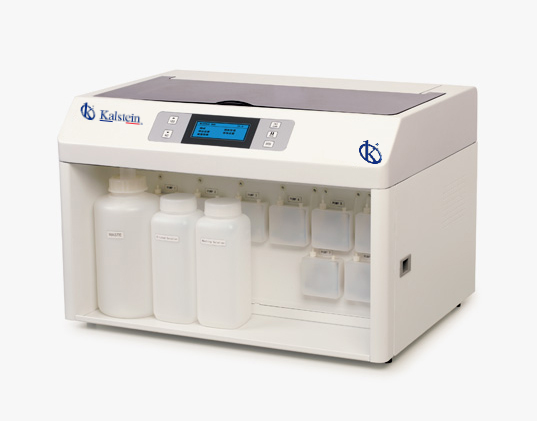
Predictive maintenance involves regularly monitoring and analyzing the performance of food safety analyzers to predict failures before they happen. This proactive approach is crucial for maintaining the accuracy of tests conducted using devices such as the Automated Unique Immunology Analyzer YR06090 and the Food Safety Analyzer YR06089, which require precise calibration to function optimally. By leveraging predictive analytics, laboratories can schedule maintenance activities during non-peak hours, minimizing downtime and maximizing productivity.
The Significance of Regular Calibration
Regular calibration of food safety analyzers is crucial to ensure their accuracy and reliability. Calibration involves adjusting the analyzer's settings based on a recognized standard to confirm that it produces valid results. For instance, the Analyzer and Microplate Incubator Shaker YR06093 provides reliable results only when calibrated accurately for temperature and agitation settings. Calibration frequency should be based on manufacturer recommendations and compliance standards, often dictated by protocols like ISO 17025, which outlines requirements for the competence of testing and calibration laboratories.
Benefits of Integrating Predictive Maintenance with Calibration
Integrating predictive maintenance with regular calibration creates a robust framework for maintaining food safety analyzers. This approach reduces the likelihood of unexpected equipment failures, which can lead to costly downtime and compromised testing results. For example, the YR06090's ability to process 40 strips per run means that any malfunction can significantly hinder laboratory throughput. By scheduling calibrations during predictive maintenance checks, labs can ensure that their analyzers remain in peak condition, thereby improving efficiency and reliability.
Calibration Intervals and Best Practices
Determining the right calibration intervals for food safety analyzers is critical. Best practices recommend performing calibrations at specified intervals based on usage frequency, equipment age, and after any major repairs. For example, the YR06089, capable of conducting up to 96 tests simultaneously, should be calibrated after significant usage or environmental changes. Developing a calibration schedule based on these variables can help maintain compliance with industry standards while ensuring accurate test results.
Common Mistakes in Predictive Maintenance and Calibration
Laboratories often fall into common traps when implementing predictive maintenance and calibration strategies. One mistake is neglecting to document the calibration process, which can lead to non-compliance with ISO standards. Additionally, some labs underestimate the importance of training personnel on the significance of regular maintenance checks. Ensuring that staff is well-versed in the operational requirements of devices like the YR06093 can significantly improve compliance and functionality.
Comparison of Available Models
| Model | Features | Best For | Calibration Requirements |
|---|---|---|---|
| YR06090 | Processes up to 40 strips, precision dispensing, multiple incubation temperatures | High-demand laboratories | Regular calibration for temperature and dispensing accuracy |
| YR06089 | Conducts 96 tests, detects pesticide and antibiotic residues | Food safety testing | Calibration after extensive use |
| YR06093 | Incubation with precise agitation, adjustable temperatures | Cell culture and ELISA applications | Routine calibration for temperature and RPM |
Strategies for Effective Predictive Maintenance
Implementing effective predictive maintenance strategies requires a combination of technology and best practices. Utilizing software solutions to monitor analyzer performance can provide real-time data that predicts when maintenance should occur. Laboratories should also consider training for staff on maintenance protocols, ensuring they understand how to recognize early signs of wear and tear in analyzers. Regular internal audits can further assess the effectiveness of these strategies.
Frequently Asked Questions
What is the recommended calibration frequency for food safety analyzers?
The recommended calibration frequency for food safety analyzers, such as the YR06089, varies based on usage. Generally, it is advisable to calibrate at least once every month or after every significant use, ensuring compliance with ISO 17025 standards.
How does predictive maintenance reduce costs in a laboratory?
Predictive maintenance reduces costs by minimizing unexpected downtime and extending equipment lifespan. For instance, regular checks on the YR06090 can prevent significant repair costs and maintain its high throughput capability.
What are the common calibration standards for food safety analyzers?
Common calibration standards for food safety analyzers include ISO 17025, which outlines the necessary requirements for accurate and reliable testing. Regular adherence to these standards is essential for maintaining compliance and ensuring test validity.
Which predictive maintenance tools are best for food safety analyzers?
Tools that provide real-time monitoring and analytics are best for food safety analyzers. Software that integrates with devices like the YR06093 can help identify performance trends, allowing for timely maintenance.
How can calibration errors affect food safety testing results?
Calibration errors can lead to inaccurate test results, undermining food safety analysis. For example, if the YR06089 is not calibrated, it may produce false negatives for pesticide residues, compromising food safety.
What role does staff training play in maintaining laboratory equipment?
Staff training ensures that personnel understand the importance of regular maintenance and calibration, reducing the risk of errors. Well-trained staff can effectively monitor equipment like the YR06090, ensuring it operates at optimal performance.
How can I integrate predictive maintenance strategies in my laboratory?
Integrating predictive maintenance strategies involves using monitoring tools to track analyzer performance and implementing a maintenance schedule. For example, regular checks on the YR06093 can identify potential issues early, reducing downtime.
What are the best practices for calibration documentation?
Best practices for calibration documentation include maintaining detailed logs of calibration dates, results, and personnel involved. This documentation is vital for compliance with standards like ISO 17025 and should be easily accessible for audits.
If you are looking for a fusion of innovation and quality, you have come to the right place. At Kalstein, we offer you the luxury of exploring our exclusive catalog of laboratory equipment. We manufacture every device to the highest standards of excellence. Our intuitive and seamless online purchasing channels are designed for your convenience, securing the most competitive prices. Hesitate no longer — we bring science to life, it is time to become part of our community.