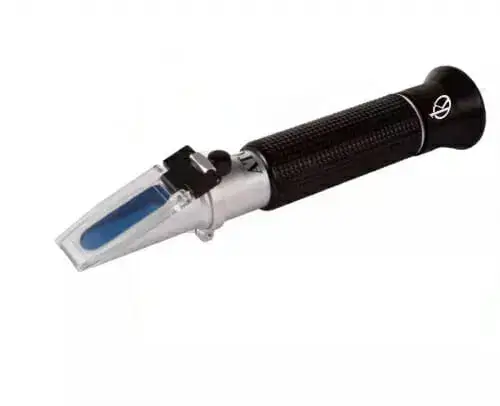
How to Ensure Predictive Maintenance and Recommended Calibration for Wine Refractometers
Wine refractometers are essential tools in laboratories and wineries, providing accurate and quick measurements of sugar levels and alcohol content during the wine production process. Their reliability hinges on regular calibration and predictive maintenance, which not only enhances accuracy but also extends the lifespan of these instruments. This article delves into practical strategies for ensuring effective maintenance and calibration of wine refractometers, focusing on several models including YR05931, YR05932, YR05933, YR05934, YR05935, and YR05936.
Understanding Predictive Maintenance in Wine Refractometers
Predictive maintenance involves using data and analytics to predict when equipment failures might occur, allowing for timely interventions before significant issues arise. For wine refractometers, predictive maintenance focuses on monitoring performance and environmental conditions that can lead to inaccuracies. This strategy reduces unplanned downtime and enhances operational efficiency.
Factors affecting the performance of wine refractometers include temperature fluctuations and the frequency of use. Regular usage can cause wear and tear on components, making it crucial to develop a maintenance schedule based on specific indicators, such as the volume of tests performed or changes in measurement accuracy.
Importance of Regular Calibration
Calibration is critical for ensuring the accuracy of measurements taken by wine refractometers. Regular calibration against known standards helps maintain the integrity of the results obtained. Each of the discussed models is designed to provide specific measurement ranges and precision, making calibration essential for operational efficiency.
For instance, the YR05932 model, capable of measuring 0-25% alcohol by volume (Vol) and 0-40% Brix, must be calibrated periodically to maintain its ±0.2% Vol accuracy. Depending on usage frequency and environmental conditions, calibration should ideally occur monthly or quarterly.
Calibration Intervals and Recommended Practices
The calibration interval for wine refractometers is influenced by factors such as environmental conditions, frequency of use, and operational demands. A general guideline is to calibrate before significant testing sessions or after maintenance work on the instrument.
| Model Code | Calibration Interval | Best Calibration Practices |
|---|---|---|
| YR05931 | Monthly | Use certified reference materials for calibration |
| YR05932 | Quarterly | Calibrate in consistent temperature conditions |
| YR05933 | Monthly | Utilize a zero-point calibration strategy |
| YR05934 | Quarterly | Keep calibration records for compliance |
| YR05935 | Monthly | Perform checks against known solutions |
| YR05936 | Quarterly | Document calibration results meticulously |
Common Mistakes and How to Avoid Them
Laboratories often overlook preventive measures, leading to inaccuracies in measurements. Some common mistakes include inadequate calibration frequency, neglecting environmental factors, and improper handling of the refractometer.
To avoid these issues, it is vital to establish a comprehensive calibration schedule, consider the impact of environmental conditions such as humidity and temperature, and train personnel on proper handling techniques. For example, the YR05933 should always be stored in a stable environment to ensure consistent results.
Comparison of Available Models
| Model Code | Measurement Range | Min Division | Accuracy | ATC | Best For |
|---|---|---|---|---|---|
| YR05931 | 0-80% v/v | 1% v/v | ±1% v/v | No | Basic alcohol measurements |
| YR05932 | 0-25% Vol, 0-40% Brix | 0.2% Vol, 0.2% Brix | ±0.2% Vol, ±0.2% Brix | Yes | Accurate sugar content detection |
| YR05933 | 0-25% Vol, 0-170° Oe | 0.2% Vol, 1° Oe | ±0.2% Vol, ±1° Oe | Yes | Mixed measurements of sugar and alcohol |
| YR05934 | 0-22° Baume, 0-25% Vol | 0.2° Baume, 0.2% Vol | ±0.2° Baume, ±0.2% Vol | Yes | Comprehensive sugar and alcohol readings |
| YR05935 | 0-25% Vol, 0-40% Brix | 0.2% Vol, 0.2% Brix | ±0.2% Vol, ±0.2% Brix | Yes | Versatile lab applications |
| YR05936 | 0-25% Vol, 0-40% Brix | 0.2% Vol, 0.2% Brix | ±0.2% Vol, ±0.2% Brix | Yes | High precision requirements |
Frequently Asked Questions
How often should I calibrate my wine refractometer for best results?
Calibration should generally occur monthly for models like YR05931 and YR05933, ensuring they maintain optimal accuracy and performance throughout regular use.
What factors influence the calibration accuracy of wine refractometers?
Factors such as temperature, frequency of use, and environmental conditions significantly impact calibration accuracy, necessitating regular checks and calibration for models like YR05932.
Which wine refractometer model has the best temperature compensation feature?
The YR05932 model is ideal for temperature compensation, featuring an ATC system that corrects discrepancies, making it suitable for varying environmental conditions.
What is the impact of temperature on wine refractometer measurements?
Temperature variations can lead to inaccurate readings; hence, models like YR05934 are designed with ATC to mitigate these discrepancies during measurements.
How can I ensure the reliability of my wine refractometer measurements?
To ensure reliability, adhere to a strict calibration schedule, particularly for models such as YR05933, that require calibration after substantial use or environmental changes.
What are the consequences of not calibrating a wine refractometer regularly?
Neglecting regular calibration can lead to inaccurate measurements, affecting wine quality assessments and production decisions, which is critical for all models, including YR05935.
Which calibration standards should be used for wine refractometers?
Calibration should be performed using certified reference materials, ensuring accuracy and compliance, especially for precise models like YR05936 in demanding laboratory environments.
Conclusion
Understanding the importance of predictive maintenance and regular calibration for wine refractometers is crucial for laboratory professionals aiming to ensure accuracy and reliability in measurements. By implementing structured routines, utilizing the appropriate calibration practices, and avoiding common pitfalls, laboratories can significantly enhance the performance and longevity of their equipment.
If you are looking for a fusion of innovation and quality, you have come to the right place. At Kalstein, we offer you the luxury of exploring our exclusive catalog of laboratory equipment. We manufacture every device to the highest standards of excellence. Our intuitive and seamless online purchasing channels are designed for your convenience, securing the most competitive prices. Hesitate no longer — we bring science to life, it is time to become part of our community.