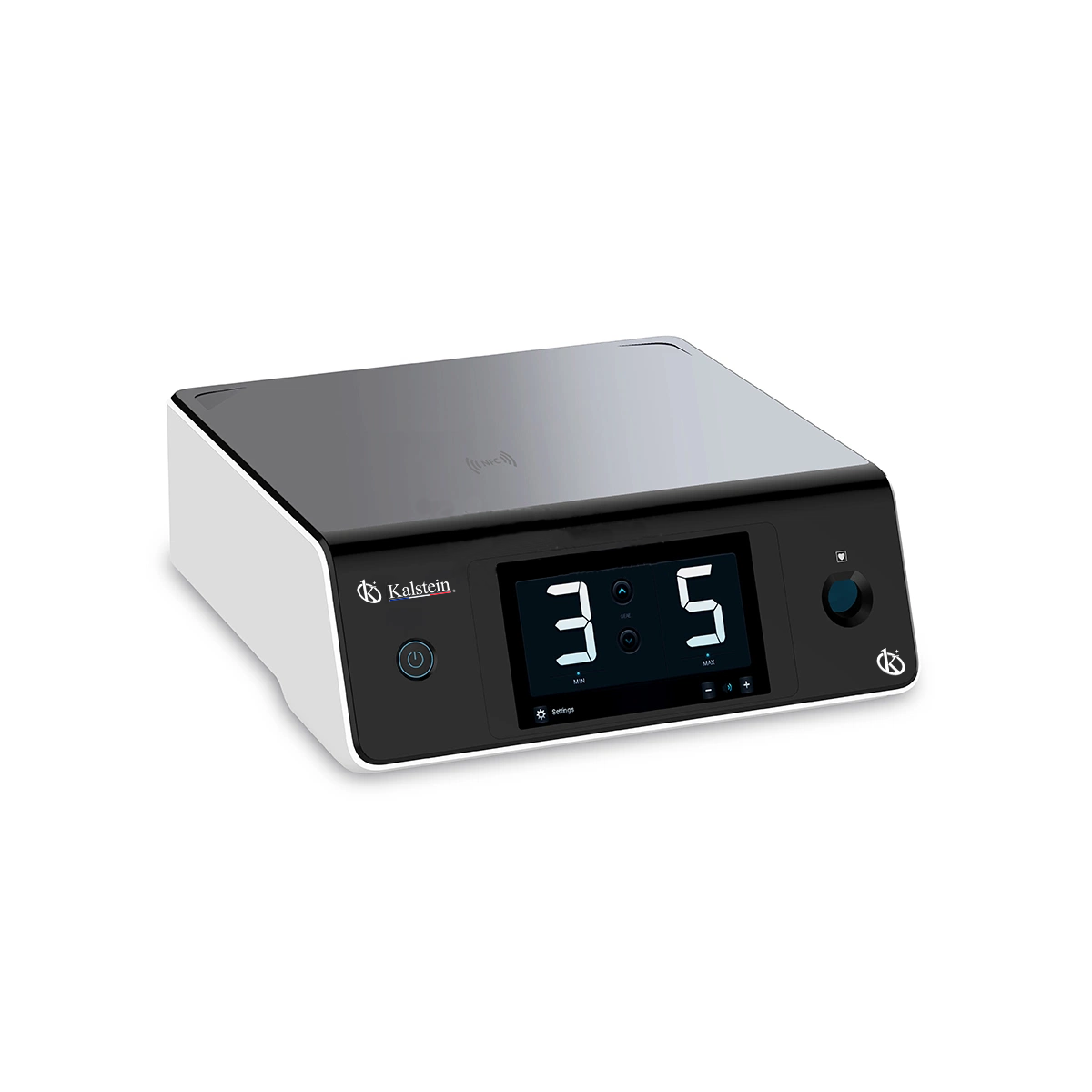
How to Implement Predictive Maintenance and Recommended Calibration for Veterinary Electrosurgical Units
Veterinary electrosurgical units are critical in modern veterinary practices, offering precision and efficiency in surgical procedures. However, ensuring these devices operate at peak performance requires a robust approach to predictive maintenance and regular calibration. This article delves into the best practices and methodologies to maintain these essential instruments effectively.
Understanding Predictive Maintenance for Veterinary Electrosurgical Units
Predictive maintenance involves monitoring the condition of veterinary electrosurgical units to predict when maintenance should be performed. This approach helps in minimizing downtime and extending the lifespan of the equipment. By utilizing data analysis tools and techniques, practitioners can identify potential issues before they result in equipment failure.
Key Benefits of Predictive Maintenance
- Increased Reliability: Reduces unexpected failures and repairs.
- Cost Efficiency: Lowers maintenance costs compared to reactive maintenance.
- Extended Equipment Life: Regular monitoring preserves the unit's operational capabilities.
Recommended Calibration Practices for Veterinary Electrosurgical Units
Regular calibration is essential to ensure accuracy and efficacy in veterinary electrosurgical units. Calibration should be performed according to the manufacturer's guidelines and industry standards.
Calibration Frequency
Calibration intervals can vary depending on usage, but a general rule is to calibrate before major procedures or at least annually. Different models may have specific calibration recommendations; for example, the YR06129 and YR06130 models should follow their respective technical specifications for optimal results.
Documentation of Calibration Procedures
Keeping detailed records of calibration procedures is crucial for compliance and quality assurance. Each calibration should be logged with date, technician details, and any adjustments made. This not only aids in routine checks but also ensures traceability in case of audits.
Comparison of Available Models
| Model | Calibration Features | Predictive Maintenance Support | Best for |
|---|---|---|---|
| YR06129 | Automatic transducer detection | CPU-based monitoring | General surgeries |
| YR06130 | Touchscreen interface for settings | Real-time performance metrics | Specialized surgeries |
| YR06131 | Automated identification | Energy monitoring | Laparoscopic procedures |
| YR06132 | Multiple output modes, easy calibration | Diagnostic feedback | Open surgeries |
| YR06133 | Long-term stability checks | Condition monitoring | Portable applications |
| YR06134 | Integrated calibration software | Usage data analytics | Field operations |
Common Mistakes and How to Avoid Them
In the realm of veterinary electrosurgical units, several common mistakes can hinder operational efficiency:
- Neglecting Regular Calibration: Skipping calibration can lead to inaccurate readings and poor performance. Establish a schedule to avoid this.
- Ignoring Predictive Maintenance: Failing to monitor device performance can result in unexpected failures. Implement regular data checks.
- Inadequate Training: Ensure that all staff are trained on the specific models used in practice to maximize equipment usage.
Frequently Asked Questions
What is the recommended calibration frequency for veterinary electrosurgical units?
Calibration for veterinary electrosurgical units, such as the YR06130, should generally be performed at least annually or before major surgical procedures to ensure accurate performance.
How can predictive maintenance improve the lifespan of veterinary electrosurgical units?
Predictive maintenance allows for early detection of potential issues in units like the YR06131, thereby reducing unexpected downtime and extending the overall lifespan of the equipment.
What are the key features to look for in veterinary electrosurgical units?
Key features include reliable calibration capabilities, predictive maintenance support, and user-friendly interfaces, as seen in models like the YR06132 and YR06129.
How do I document calibration procedures for veterinary electrosurgical units?
Documentation should include the date, technician details, calibration results, and adjustments made. This is essential for compliance and can be managed well with systems in models like YR06132.
Which veterinary electrosurgical unit is best for specialized surgeries?
The YR06130 is particularly versatile, offering multiple functions like hemostasis and dissection, making it ideal for specialized surgical applications.
How does predictive maintenance affect operational costs for veterinary practices?
By reducing downtime and preventing major repairs, predictive maintenance can significantly lower operational costs, particularly when using units like the YR06133.
What training is necessary for effectively using veterinary electrosurgical units?
Comprehensive training on the specific models used, including features and maintenance schedules, is crucial for effective operation, especially for complex devices like the YR06131.
How can I ensure my veterinary electrosurgical unit is compliant with industry standards?
Regular calibration according to manufacturer guidelines and proper maintenance tracking, seen in models like YR06134, ensures compliance with industry standards.
If you are looking for a fusion of innovation and quality, you have come to the right place. At Kalstein, we offer you the luxury of exploring our exclusive catalog of laboratory equipment. We manufacture every device to the highest standards of excellence. Our intuitive and seamless online purchasing channels are designed for your convenience, securing the most competitive prices. Hesitate no longer — we bring science to life, it is time to become part of our community.