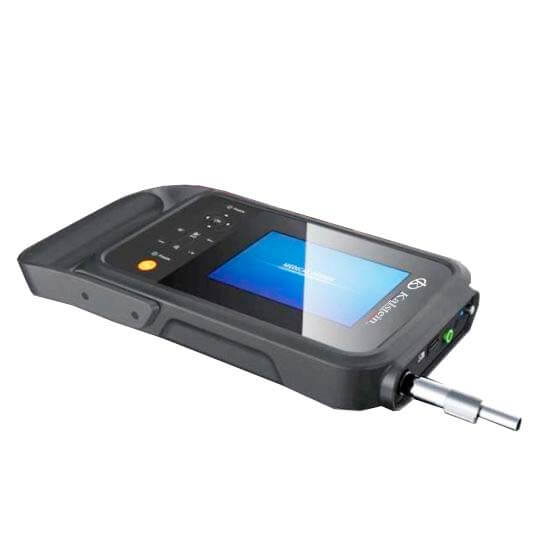
How to Implement Predictive Maintenance and Regular Calibration for Ultrasonic Diagnostic Equipment
Ultrasonic diagnostic equipment is essential in various medical and veterinary applications. Ensuring optimal performance through predictive maintenance and regular calibration is crucial for accurate diagnostics and patient safety. This article delves into predictive maintenance strategies and routine calibration practices for ultrasonic diagnostic devices, enabling healthcare professionals to enhance their operational efficiency and equipment lifespan.
Understanding Predictive Maintenance in Ultrasonic Diagnostic Equipment
Predictive maintenance refers to the use of data-driven analytics to predict when equipment will fail, allowing for timely interventions. This approach minimizes downtime and prolongs the life of ultrasonic diagnostic devices. By employing predictive maintenance, labs can avoid unexpected equipment failures, which can lead to costly repairs and disruptions in patient care.
Benefits of Regular Calibration
Calibration is the process of adjusting the output or indication of a measuring instrument to correspond with a standard. Regular calibration of ultrasonic diagnostic equipment is vital for maintaining accuracy in measurements. It ensures that the devices operate within specified tolerances, thereby reducing the risk of errors in diagnostics that could affect treatment decisions.
Key Calibration Standards for Ultrasonic Diagnostic Equipment
Several standards guide the calibration of ultrasonic diagnostic equipment, including ISO 13485 and ISO/IEC 17025. These standards set forth the requirements for quality management systems and testing laboratories, ensuring that ultrasonic devices meet international quality benchmarks. Adhering to these standards not only improves accuracy but also boosts confidence among healthcare providers and patients.
Identifying Failure Modes for Effective Predictive Maintenance
To implement an effective predictive maintenance strategy, it is essential to identify potential failure modes in ultrasonic diagnostic equipment. Common issues include sensor degradation, software malfunctions, and mechanical wear. By regularly monitoring these components, healthcare facilities can schedule maintenance before failures occur, ensuring continuous operation and reliability.
Calibration Intervals: Best Practices
Establishing appropriate calibration intervals is crucial for maintaining the performance of ultrasonic diagnostic equipment. Recommended calibration schedules typically range from monthly to bi-annually, depending on usage intensity and manufacturer guidelines. By adhering to these schedules, healthcare facilities can ensure that their equipment remains compliant with industry standards.
Key Performance Indicators (KPIs) for Predictive Maintenance
Establishing KPIs is essential for measuring the success of predictive maintenance programs. Metrics such as Mean Time Between Failures (MTBF) and Mean Time To Repair (MTTR) provide insights into equipment reliability and maintenance efficiency. By tracking these KPIs, facilities can identify patterns and make data-driven decisions to optimize their maintenance strategies.
Implementation of Calibration Plans
A calibration plan should outline the frequency, procedure, and responsible personnel for calibrating ultrasonic diagnostic equipment. This plan must also include documentation processes to ensure traceability and compliance with regulations. By following a structured calibration plan, healthcare facilities can maintain high standards of accuracy and reliability in their diagnostic processes.
Comparison of Available Models
| Model | Recommended Calibration Schedule | Best for | Key Features |
|---|---|---|---|
| YR05146 | Monthly | Veterinary diagnostics | High-resolution imaging, lightweight, professional software |
| YR05147 | Biannually | Obstetric/GYN applications | 3D imaging, multiple report types, battery-operated |
| YR05154 | Monthly | General diagnostics | Single convex probe, portable, straightforward software |
| YR05154-1 | Biannually | Mobile diagnostics | Tablet integration, high compatibility |
| YR05155 | Monthly | Specialized diagnostics | Single linear probe, versatile software options |
| YR05155-1 | Biannually | Advanced imaging needs | Tablet-based, user-friendly interface |
Common Mistakes and How to Avoid Them
One common mistake in maintaining ultrasonic diagnostic equipment is neglecting the calibration schedule. Many facilities fail to adhere to the recommended intervals, leading to inaccuracies. Another mistake is underestimating the importance of staff training on equipment use and maintenance practices. To avoid these pitfalls, it is critical to establish clear protocols and ensure regular training sessions for all personnel involved.
Frequently Asked Questions
What are the best practices for calibrating ultrasonic diagnostic equipment?
Best practices for calibrating ultrasonic diagnostic equipment, such as the YR05146, include following recommended schedules, documenting procedures, and using traceable standards to ensure compliance with ISO/IEC 17025.
How often should ultrasonic diagnostic equipment be calibrated?
Ultrasonic diagnostic equipment like the YR05147 should be calibrated biannually, while devices such as the YR05155 may require monthly calibration based on usage intensity and manufacturer recommendations.
What KPIs should I track for predictive maintenance of ultrasonic devices?
For ultrasonic devices like the YR05154, tracking KPIs such as Mean Time Between Failures (MTBF) and Mean Time To Repair (MTTR) can provide insights into the effectiveness of predictive maintenance strategies.
How does predictive maintenance affect the lifespan of ultrasonic diagnostic equipment?
Implementing predictive maintenance on equipment like the YR05155-1 can significantly enhance its lifespan by allowing for timely repairs and minimizing unexpected failures, thus improving overall reliability.
What are the consequences of neglecting calibration in ultrasonic diagnostics?
Neglecting calibration in ultrasonic diagnostics, as seen with models like the YR05146, can lead to inaccurate results, impacting patient care and potentially resulting in legal and financial repercussions for healthcare facilities.
How can I create an effective calibration plan for ultrasonic equipment?
Creating an effective calibration plan for ultrasonic equipment, such as the YR05147, involves outlining schedules, procedures, documentation, and assigning responsible personnel to ensure compliance and accuracy.
What features should I look for in ultrasonic diagnostic equipment for predictive maintenance?
When selecting ultrasonic diagnostic equipment like the YR05155, look for features that support predictive maintenance, such as real-time monitoring, data analytics capabilities, and ease of integration with existing maintenance systems.
Why is predictive maintenance essential for ultrasonic diagnostic equipment?
Predictive maintenance is essential for ultrasonic diagnostic equipment like the YR05154-1 because it allows healthcare facilities to anticipate failures, optimize maintenance schedules, and ultimately improve diagnostic accuracy and patient safety.
If you are looking for a fusion of innovation and quality, you have come to the right place. At Kalstein, we offer you the luxury of exploring our exclusive catalog of laboratory equipment. We manufacture every device to the highest standards of excellence. Our intuitive and seamless online purchasing channels are designed for your convenience, securing the most competitive prices. Hesitate no longer — we bring science to life, it is time to become part of our community.