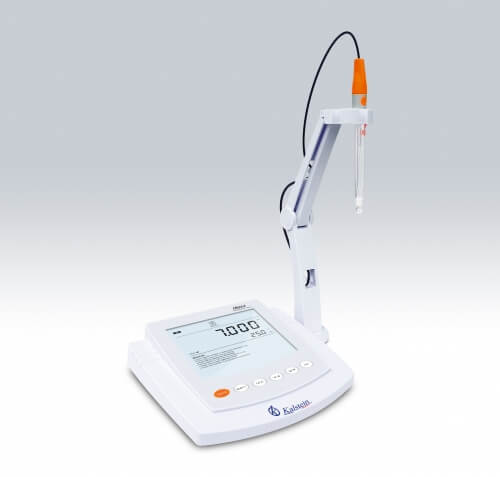
How to Ensure Predictive Maintenance and Recommended Calibration for Table Conductivity Controllers
In laboratory environments, maintaining optimal performance and compliance with standards is crucial, especially for table conductivity controllers. These instruments are essential for accurately measuring conductivity, TDS, and salinity, and ensuring they are functioning correctly requires a robust strategy for predictive maintenance and regular calibration. This article will explore practical methods for implementing predictive maintenance and periodic calibration, focusing on the key features of various models in the table conductivity controller category.
Understanding Predictive Maintenance in Laboratory Equipment
Predictive maintenance involves anticipating equipment failures before they occur, allowing for timely interventions that minimize downtime and maintain accuracy. It utilizes data analytics and operational history to assess when calibration or service is needed. For table conductivity controllers, this means monitoring parameters such as temperature, electrode condition, and calibration frequency.
Periodic Calibration: Why It Matters
Calibration ensures that the measurements obtained from table conductivity controllers are accurate and reliable. Regular calibration mitigates drifts in measurement accuracy over time, which can result from environmental factors or component wear. Establishing a schedule for calibration based on the manufacturer's guidelines and the specific usage of the equipment is essential.
Regulatory Compliance and Predictive Maintenance
Compliance with standards such as ISO 17025 is critical for laboratories. Predictive maintenance helps in meeting these standards by ensuring equipment reliability and traceability. Implementing documented maintenance schedules and calibration records demonstrates adherence to quality assurance procedures.
Key Features of Table Conductivity Controllers
Different models of table conductivity controllers offer varied features that cater to specific laboratory needs. It is essential to understand these features to make informed decisions about predictive maintenance and calibration.
Model Overview
| Model Code | Key Features | Best For |
|---|---|---|
| YR01836-1 | 12 measurement options, automatic 1-5 point calibration | Laboratories requiring high versatility in measurements |
| YR01836 | 5-inch LCD, automatic calibration, USB connectivity | Settings needing data transfer and monitoring |
| YR01829-1 | Classic design, 1-3 point calibration, auto temperature compensation | Daily testing and monitoring |
| YR01829-2 | Similar to YR01829-1 with enhancements for user experience | Routine laboratory analyses |
| YR01829 | 7-inch touch screen, wireless printing, ATC | Advanced testing environments requiring high precision |
| YR01828 | Supports TDS, resistivity, and salinity measurements | Comprehensive testing in diverse applications |
Common Mistakes and How to Avoid Them
Laboratories often overlook the importance of maintaining a strict calibration schedule. Skipping calibration can lead to inaccurate measurements, which may compromise experiment results. Another common mistake is not documenting maintenance and calibration activities properly, which is essential for compliance and quality assurance. Establishing a documented procedure for predictive maintenance and calibration can mitigate these risks.
Comparison of Available Models
| Model Code | Calibration Points | Price (USD) | Recommended Scenarios |
|---|---|---|---|
| YR01836-1 | 1-5 points | 355.00 | High versatility in laboratory measurements |
| YR01836 | Automatic | 199.00 | Data-intensive laboratory operations |
| YR01829-1 | 1-3 points | 160.00 | Daily monitoring |
| YR01829-2 | 1-3 points | 235.00 | Routine tests in various settings |
| YR01829 | 1-3 points | 285.00 | Advanced precision applications |
| YR01828 | 1-3 points | 232.00 | Comprehensive testing needs |
Implementation of Predictive Maintenance Strategies
To successfully implement predictive maintenance, laboratories should develop a structured schedule based on the frequency of use, the environmental conditions of the lab, and the manufacturer's recommendations. Regular inspections and adjustments based on the condition of the equipment can prevent major failures.
Establishing Calibration Procedures
Calibration procedures should be clearly defined and standardized within the laboratory. This includes selecting appropriate calibration standards, documenting results, and training staff on calibration protocols for table conductivity controllers. Regular reviews of these procedures will ensure compliance and reliability.
Frequently Asked Questions
What are the benefits of predictive maintenance for table conductivity controllers?
Predictive maintenance helps anticipate equipment failures, ensuring continuous operation of models like YR01836-1. This proactive approach reduces unexpected downtime and extends the life of the instruments by addressing issues before they escalate.
How often should table conductivity controllers be calibrated for accurate measurements?
Calibration for devices like the YR01829 should occur at least once a month or based on usage frequency. Regular calibration ensures compliance with standards and maintains measurement accuracy.
Which model is best for compliance with ISO 17025 standards?
The YR01836 offers features that facilitate compliance with ISO 17025, such as automatic calibration and comprehensive data logging. Regular use of this model can support quality assurance protocols effectively.
How can I integrate data from table conductivity controllers into a LIMS?
Models like the YR01836 include USB connectivity, enabling easy data transfer to LIMS. Utilizing this feature can streamline data management and enhance lab efficiency.
What factors affect the calibration schedule for conductivity meters?
Environmental conditions, usage frequency, and the specific model influence the calibration schedule. For instance, the YR01829 series may require more frequent calibration in unstable environments.
How do I determine the maintenance needs for table conductivity controllers?
Regular monitoring of performance metrics such as accuracy and operational stability will help determine maintenance needs. Utilizing models like YR01829-1 can signal when maintenance is due.
Which model provides the best features for daily laboratory operations?
The YR01829-1 is ideal for daily laboratory operations due to its user-friendly design and automatic calibration features, ensuring reliable performance in routine tests.
What is the impact of temperature changes on conductivity measurement accuracy?
Temperature variations can affect conductivity readings significantly. Models like the YR01836-1 come equipped with auto temperature compensation, ensuring accurate measurements despite fluctuations.
If you are looking for a fusion of innovation and quality, you have come to the right place. At Kalstein, we offer you the luxury of exploring our exclusive catalog of laboratory equipment. We manufacture every device to the highest standards of excellence. Our intuitive and seamless online purchasing channels are designed for your convenience, securing the most competitive prices. Hesitate no longer — we bring science to life, it is time to become part of our community.