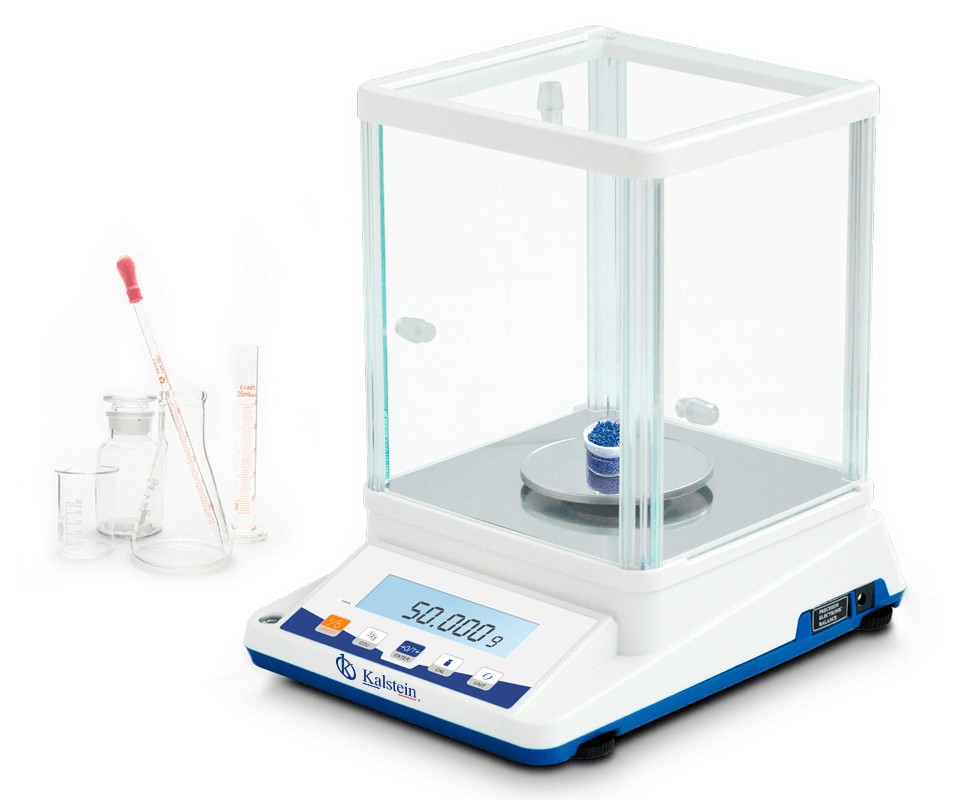
How to Implement Predictive Maintenance and Periodic Calibration for Precision Balances
Precision balances are essential tools in laboratories, providing accurate measurements critical for research and quality control. Implementing predictive maintenance and periodic calibration strategies can enhance their longevity, accuracy, and reliability. In this article, we will explore the importance of these practices, the models available in the precision balance subcategory, and how to effectively manage them.
Understanding Predictive Maintenance in Precision Balances
Predictive maintenance refers to the approach of anticipating the need for maintenance based on the actual condition of the equipment, rather than relying on a fixed schedule or after a failure occurs. For precision balances, this means monitoring performance metrics such as measurement accuracy, repeatability, and environmental factors that can affect balance performance.
Utilizing data from balance operations, labs can identify trends leading to potential failures. This allows for timely interventions, minimizing downtime and maintenance costs, while ensuring that the equipment meets performance standards.
Importance of Periodic Calibration
Calibration is the process of adjusting the precision balance to ensure accuracy against a known standard. Periodic calibration is vital as it helps maintain compliance with industry standards like ISO/IEC 17025, ensuring that measurements remain reliable over time.
Calibration intervals can vary based on the usage of the balance, environmental conditions, and manufacturer recommendations. Regular calibration helps in identifying drift in measurements, allowing for timely corrections and maintaining quality assurance in laboratory practices.
Comparison of Available Models
| Model Code | Capacity (g) | Readability (g) | Best for | Price (USD) |
|---|---|---|---|---|
| YR05584 | 110 | 0.001 | High accuracy applications | 75.00 |
| YR05585 | 210 | 0.001 | General laboratory use | 80.00 |
| YR05586 | 310 | 0.001 | Quality control | 80.00 |
| YR05587 | 610 | 0.001 | Heavy load measurement | 80.00 |
| YR05588 | 2100 | 0.01 | Bulk material weighing | 31.00 |
| YR05589 | 3100 | 0.01 | Large volume measurements | 31.00 |
Common Mistakes and How to Avoid Them
Laboratory professionals often encounter several pitfalls when managing precision balances. One common mistake is neglecting regular calibration. Failing to calibrate according to the specified interval can lead to inaccurate measurements that can compromise results.
Another error is overlooking environmental conditions. Precision balances are sensitive to vibrations, temperature fluctuations, and humidity. It is crucial to place them in stable environments to maintain performance.
Integrating Predictive Maintenance and Calibration Practices
Establishing a routine for predictive maintenance and calibration involves creating a schedule based on the specific requirements of each precision balance model. For instance, the YR05584 and YR05585 models, with their lower capacities, may require more frequent checks compared to larger models like YR05588.
Utilizing software tools can help track performance metrics, schedule maintenance, and record calibration history. Ensuring that personnel are trained on best practices in managing these balances is also vital for consistent results.
Tools for Effective Calibration
Calibration weights must be of known and traceable quality to ensure accuracy. Laboratories should invest in certified weights that meet the specifications required for the respective precision balance models. Additionally, employing data logging tools can help monitor trends and detect potential issues before they escalate.
Cost-Benefit Analysis of Calibration and Maintenance
Understanding the financial implications of regular calibration and predictive maintenance can assist laboratories in budgeting effectively. Factors to consider include the cost of calibration services, potential downtime costs, and the impact of inaccurate measurements on research and production.
| Cost Item | Estimated Cost (USD) |
|---|---|
| Calibration Service per Model | 50.00 |
| Average Downtime Cost (per hour) | 200.00 |
| Cost of Inaccurate Measurement (per incident) | 1000.00 |
Frequently Asked Questions
What is the recommended calibration frequency for precision balances?
The recommended calibration frequency for precision balances typically ranges from monthly to quarterly, depending on usage and model, such as the YR05584. Regular calibration ensures compliance with standards and maintains accuracy.
How can I ensure the accuracy of my precision balance over time?
To ensure accuracy over time for precision balances like the YR05585, implement a routine calibration schedule, monitor environmental conditions, and perform predictive maintenance based on usage data.
What are the key performance metrics to monitor in precision balances?
Key performance metrics include accuracy, repeatability, and linearity. For example, the YR05586 model maintains a readability of 0.001g, critical for precision in measurements.
How does calibration impact compliance with ISO 17025 standards?
Calibration is essential for compliance with ISO 17025, ensuring that measurement processes are reliable and traceable. Regular calibration of models like YR05587 supports adherence to quality standards.
What software tools can assist in managing precision balance maintenance?
Software tools that track performance metrics and schedule maintenance can significantly assist in managing precision balances like YR05588. These tools help ensure timely interventions and maintain compliance.
How do environmental factors affect precision balance performance?
Environmental factors such as temperature and humidity can greatly impact precision balance performance. For example, models like YR05589 are sensitive to these conditions, necessitating stable placement for accurate readings.
What is the cost of calibration services for precision balances?
The cost of calibration services for precision balances generally ranges around 50.00 USD. Regular calibration is essential to maintain accurate measurements, particularly for models like YR05584.
How does predictive maintenance reduce costs for precision balances?
Predictive maintenance reduces costs by minimizing unplanned downtime and ensuring timely interventions. For instance, utilizing data from models like YR05586 can help anticipate failures before they occur.
If you are looking for a fusion of innovation and quality, you have come to the right place. At Kalstein, we offer you the luxury of exploring our exclusive catalog of laboratory equipment. We manufacture every device to the highest standards of excellence. Our intuitive and seamless online purchasing channels are designed for your convenience, securing the most competitive prices. Hesitate no longer — we bring science to life, it is time to become part of our community.