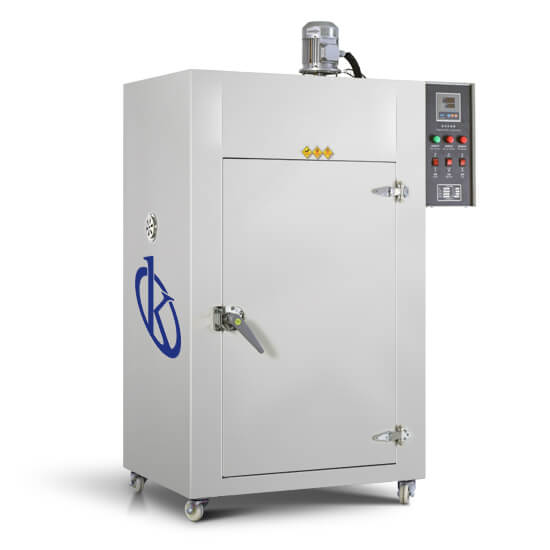
How to Implement Predictive Maintenance and Recommended Calibration for Industrial Ovens
Industrial ovens play a crucial role in various sectors, including manufacturing, electronics, and even food processing. Ensuring that these ovens operate efficiently and safely is paramount. In this article, we will delve into the importance of predictive maintenance and the recommended calibration schedules for industrial ovens. This will not only enhance their performance but also ensure compliance with industry standards.
Understanding Predictive Maintenance for Industrial Ovens
Predictive maintenance refers to the proactive approach taken to maintain equipment based on its condition and performance data, rather than on a fixed schedule. This strategy can significantly reduce downtime and maintenance costs by anticipating failures before they occur. For industrial ovens, this means monitoring temperature control, airflow, and other critical parameters to avoid unexpected breakdowns.
Benefits of Predictive Maintenance
- Cost Savings: Reduces unnecessary maintenance costs and extends equipment lifespan.
- Operational Efficiency: Ensures continuous operation and minimizes production delays.
- Safety Compliance: Helps maintain safety standards by preventing equipment failures.
Calibration: Ensuring Accurate Performance
Calibration is essential for any measuring equipment, including industrial ovens. It involves adjusting the oven's settings to ensure that the temperatures displayed are accurate. Regular calibration helps avoid discrepancies that could lead to product failure or safety hazards.
Recommended Calibration Schedule
It is advisable to calibrate industrial ovens at regular intervals, typically every six months or whenever the equipment shows signs of malfunction. The calibration process should be documented for compliance purposes and to provide traceability.
Comparison of Available Models
| Model | Temperature Range (℃) | Power (kW) | Capacity (liters) | Best For |
|---|---|---|---|---|
| YR05256-A | RT+5 to 250 | 4 to 6 | 300 | Small batch operations in industrial settings |
| YR05257-1-A | RT+5 to 250 | 8 to 12 | 864 | Continuous operations requiring higher capacity |
| YR05258-SS | RT+5 to 250 | 4 to 6 | 300 | Industrial drying processes |
| YR05259-1-SS | RT+5 to 250 | 8 to 12 | 864 | High-demand production environments |
Common Mistakes and How to Avoid Them
Many laboratories overlook the importance of routine maintenance for industrial ovens. Common mistakes include ignoring signs of wear, failing to keep calibration logs, and not adhering to the manufacturer’s recommended maintenance schedule. To avoid these pitfalls, laboratories should implement a robust maintenance and calibration plan, ensuring that all personnel are trained to recognize signs of equipment distress.
Frequently Asked Questions
What is the importance of predictive maintenance for industrial ovens?
Predictive maintenance for industrial ovens, such as the YR05257-1-A, minimizes downtime by using real-time data to forecast potential failures, promoting operational efficiency and cost savings.
How often should industrial ovens be calibrated?
Industrial ovens should typically be calibrated every six months or whenever discrepancies in temperature readings are observed. Models like YR05258-SS benefit significantly from regular calibration to ensure accuracy.
What are the key features to look for in an industrial oven?
When selecting an industrial oven, consider features such as temperature range, capacity, and energy efficiency. For instance, YR05256-A is efficient for small batch operations, while YR05259-1-SS suits larger production needs.
How can I ensure compliance with safety standards for industrial ovens?
To ensure compliance with safety standards, maintain detailed calibration logs and perform regular predictive maintenance checks. Models like YR05257-1-A are designed to meet stringent safety regulations.
What factors influence the calibration frequency for industrial ovens?
Factors influencing calibration frequency include usage intensity, environmental conditions, and manufacturer recommendations. Ovens like the YR05258-SS should be calibrated more frequently in high-demand environments.
Which industrial oven model is best for high-volume production?
The YR05259-1-SS is optimal for high-volume production, offering robust performance and larger capacity, ensuring reliability during continuous operations.
How does predictive maintenance affect the lifespan of industrial ovens?
Predictive maintenance extends the lifespan of industrial ovens by preventing unexpected failures and reducing wear and tear. Implementing this strategy for models like YR05256-A can enhance overall durability.
What documentation is required for calibration of industrial ovens?
Proper documentation for calibration includes calibration logs, traceability records, and adherence to specific standards. This is crucial for compliance and should be maintained for all models, including YR05257-1-A.
If you are looking for a fusion of innovation and quality, you have come to the right place. At Kalstein, we offer you the luxury of exploring our exclusive catalog of laboratory equipment. We manufacture every device to the highest standards of excellence. Our intuitive and seamless online purchasing channels are designed for your convenience, securing the most competitive prices. Hesitate no longer — we bring science to life, it is time to become part of our community.