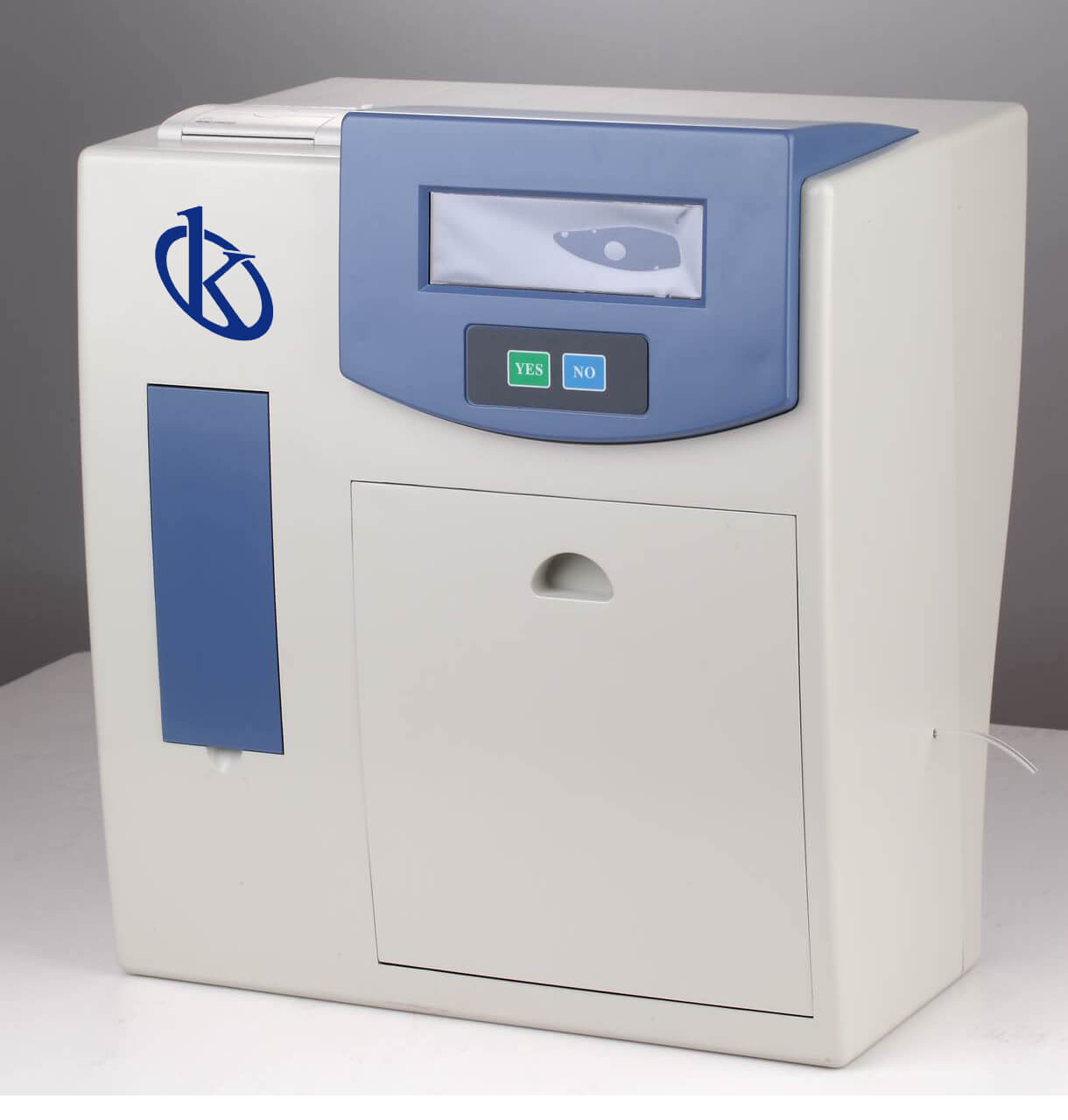
How to Implement Predictive Maintenance and Recommended Calibration for Electrolyte Analyzers
In the realm of laboratory diagnostics, electrolyte analyzers are crucial for providing accurate measurements of electrolytes in various samples. Ensuring their optimal performance is essential for maintaining precision and reliability. This article delves into the importance of predictive maintenance and recommended calibration for electrolyte analyzers, highlighting key practices and models available in the market.
Understanding Predictive Maintenance in Electrolyte Analyzers
Predictive maintenance is a proactive approach that utilizes data-driven insights to anticipate equipment failures before they occur. For electrolyte analyzers, this means regularly analyzing performance indicators and system diagnostics, which leads to improved reliability and reduced downtime. Employing predictive maintenance strategies can significantly enhance the lifespan of the analyzers by addressing potential issues before they escalate.
Importance of Periodic Calibration
Calibration ensures that the measurements taken by electrolyte analyzers remain accurate over time. Regular calibration is essential not only for compliance with laboratory standards but also for obtaining reliable data that can affect patient outcomes. Calibration intervals may vary based on usage, but setting a routine schedule aligned with manufacturer recommendations can protect against measurement drift.
Key Models of Electrolyte Analyzers
Understanding the various models of electrolyte analyzers available can assist laboratories in selecting the right device for their specific needs. Below, we provide a comparison of notable models, highlighting their key features relevant to predictive maintenance and calibration.
Comparison of Available Models
| Model | Key Specifications | Best For |
|---|---|---|
| YR05169 | K, Na, Cl, iCa, nCa, TCa, pH, TCO,, AG | Stable performance with automatic calibration |
| YR06391 | K, Na, Cl, Ca, pH, Li, Mg | Fast measurements in clinical settings |
| YR06392 | K, Na, Cl, Ca, pH, Li, Mg | Advanced touchscreen interface |
| YR06393 | K, Na, Cl, Ca, pH, Li, Mg | Multi-sample analysis capabilities |
| YR06394 | K, Na, Cl, Ca, pH, Li, Mg | Cost-effective operation for laboratories |
| YR06395 | K, Na, Cl, Ca, pH, Li, Mg | High-speed performance for increased throughput |
Best Practices for Predictive Maintenance
Implementing predictive maintenance for electrolyte analyzers involves a series of steps to effectively monitor and manage their performance:
- Regular Performance Monitoring: Use diagnostic tools to track the performance metrics of each analyzer.
- Scheduled Maintenance: Establish a maintenance schedule that aligns with laboratory operations.
- Data Analysis: Analyze historical data to identify trends and predict potential failures.
- Staff Training: Ensure that laboratory personnel are trained in recognizing warning signs and understanding maintenance procedures.
Calibration Schedule and Guidelines
Calibration should be performed according to a defined schedule based on usage and manufacturer guidelines. Here is a recommended approach:
| Frequency | Calibration Actions |
|---|---|
| Daily | Run calibration checks with control samples. |
| Weekly | Document calibration results and verify instrument performance. |
| Monthly | Review calibration logs and perform maintenance as needed. |
Common Mistakes and How to Avoid Them
Laboratories often encounter pitfalls during the implementation of predictive maintenance and calibration practices. To mitigate these risks, consider the following:
- Neglecting Regular Checks: Regular checks are crucial; make them part of the laboratory routine.
- Ignoring Manufacturer Guidelines: Follow the manufacturer's recommendations to maintain compliance and performance.
- Inadequate Training: Ensure staff are adequately trained, as untrained personnel may overlook essential maintenance tasks.
Frequently Asked Questions
How can I implement predictive maintenance for electrolyte analyzers effectively?
Implementing effective predictive maintenance for electrolyte analyzers like the YR05169 involves regular performance monitoring, establishing a maintenance schedule, and training staff. Use diagnostic tools to analyze trends and predict potential failures, ensuring optimal functionality.
What are the calibration guidelines for the YR06391 electrolyte analyzer?
The YR06391 electrolyte analyzer should undergo daily calibration checks with control samples, weekly reviews of calibration results, and monthly maintenance checks to ensure accuracy and compliance with laboratory standards.
Which electrolyte analyzer provides the best predictive maintenance features?
The YR05169 electrolyte analyzer offers advanced predictive maintenance features, including automatic calibration and real-time diagnostics, which help ensure stable operation and minimize downtime in laboratory settings.
How often should periodic calibration be performed on electrolyte analyzers?
Periodic calibration for electrolyte analyzers should be conducted daily, with additional verification and maintenance checks performed weekly and monthly, ensuring compliance with established laboratory protocols.
What common mistakes should be avoided when calibrating electrolyte analyzers?
Common mistakes in calibrating electrolyte analyzers include neglecting regular checks, ignoring manufacturer guidelines, and inadequate training for staff. To avoid these, integrate calibration into daily routines and provide thorough training.
How does predictive maintenance reduce costs for laboratories using electrolyte analyzers?
Predictive maintenance reduces costs by preventing unplanned downtime and extending the lifespan of electrolyte analyzers like the YR06395. By anticipating equipment failures, laboratories can minimize repair costs and optimize operational efficiency.
What is the cost of not regularly calibrating electrolyte analyzers?
Failing to regularly calibrate electrolyte analyzers can lead to inaccurate measurements that compromise patient outcomes, potentially resulting in costly re-tests and financial liabilities for the laboratory due to non-compliance.
How can I ensure compliance with laboratory standards when using electrolyte analyzers?
To ensure compliance with laboratory standards, regularly calibrate your electrolyte analyzers, follow manufacturer guidelines, and maintain proper documentation of all calibration and maintenance activities.
If you are looking for a fusion of innovation and quality, you have come to the right place. At Kalstein, we offer you the luxury of exploring our exclusive catalog of laboratory equipment. We manufacture every device to the highest standards of excellence. Our intuitive and seamless online purchasing channels are designed for your convenience, securing the most competitive prices. Hesitate no longer — we bring science to life, it is time to become part of our community.