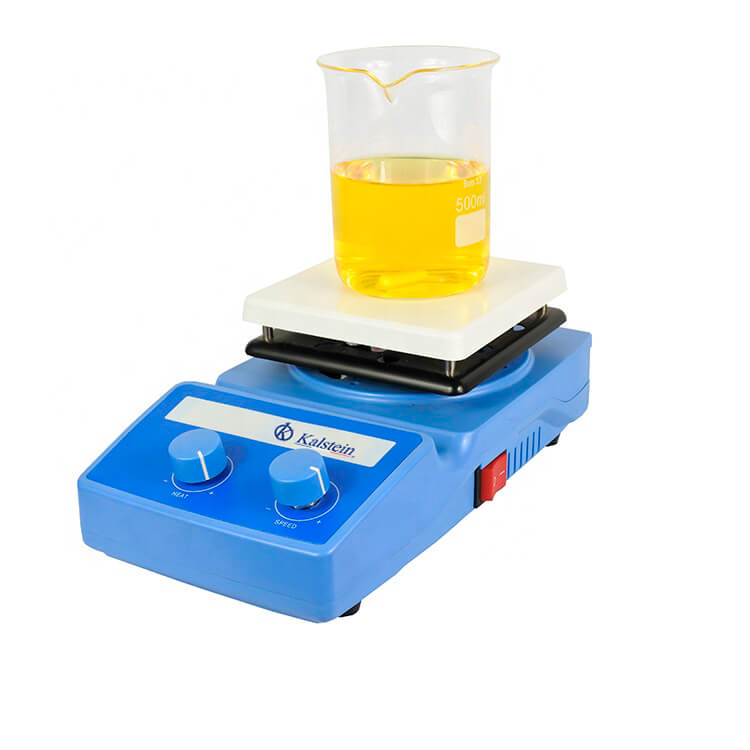
How to Implement Predictive Maintenance for Analog Ceramic Top Hotplate Stirrers
In the realm of laboratory equipment, the efficiency and reliability of devices such as Analog Ceramic Top Hotplate Stirrers are paramount. Predictive maintenance combined with regular calibration ensures that these devices operate at optimal conditions, reducing downtime and enhancing productivity. This article delves into the best practices for maintaining these devices, focusing on the models YR02933, YR02934, YR02935, and YR02936.
Understanding Predictive Maintenance
Predictive maintenance refers to the maintenance strategy that monitors the condition of equipment to determine when maintenance should be performed. This approach helps in predicting equipment failures before they happen, thus minimizing unexpected downtime. For Analog Ceramic Top Hotplate Stirrers, this involves regular monitoring of performance metrics and implementing timely interventions.
Calibration: A Key Component of Predictive Maintenance
Calibration is essential to ensure that the hotplate stirrers operate within specified parameters. For instance, the YR02934 model features PID automatic temperature control, which requires regular calibration to maintain its precision of +/- 1°C. Regular calibration ensures measurement accuracy and compliance with laboratory standards.
Common Failure Modes for Hotplate Stirrers
Understanding common failure modes is crucial for implementing an effective predictive maintenance strategy. For instance, hotplate stirrers may experience issues such as inaccurate temperature readings, uneven heating, or mechanical failures. Identifying these potential issues early allows for timely maintenance interventions.
Establishing Calibration Intervals
Calibration intervals vary based on the model and usage frequency. For example, the YR02935 model, operating between RT to 380°C, should undergo calibration every three months if used daily. Establishing a calibration schedule ensures ongoing accuracy and compliance with relevant standards.
Key Performance Indicators (KPIs) for Predictive Maintenance
KPIs such as Mean Time Between Failures (MTBF) and Mean Time To Repair (MTTR) are critical metrics for assessing the effectiveness of predictive maintenance strategies. For instance, maintaining an MTBF of over 1000 hours for the YR02936 model indicates good reliability, while a lower MTTR ensures quick recovery from any failures.
Comparison of Available Models
| Model | Temperature Range | Control Mechanism | Best For | Price (USD) |
|---|---|---|---|---|
| YR02933 | Ambient to 380°C | Analog Control | Basic laboratory stirring | 125.00 |
| YR02934 | Ambient to 325°C | PID Control | Precision applications | 152.00 |
| YR02935 | RT to 380°C | PID Control | High-volume stirring | 190.00 |
| YR02936 | Ambient to 400°C | PID Control | Versatile laboratory tasks | 265.00 |
Common Mistakes and How to Avoid Them
One common mistake in maintaining hotplate stirrers is neglecting regular calibration, which can lead to inaccurate results. Additionally, failing to monitor operational parameters can result in equipment failure. To avoid these issues, establish a routine maintenance schedule that includes both calibration and operational checks.
Frequently Asked Questions
How can I ensure the accuracy of my Analog Ceramic Top Hotplate Stirrer?
To ensure accuracy, regularly calibrate your stirrer, such as the YR02934, which features PID control for precise temperature settings. Calibration should be done every three months for optimal performance.
What are the benefits of predictive maintenance for hotplate stirrers?
Predictive maintenance reduces unexpected downtimes and increases the lifespan of devices like the YR02935 by monitoring performance metrics and addressing issues before they lead to failures.
How often should I calibrate my hotplate stirrer?
Calibration frequency depends on usage but a good rule of thumb is to calibrate your YR02936 model every three months to ensure accurate temperature readings within +/- 5 degrees.
Which model is ideal for precision stirring applications?
The YR02934 model is ideal for precision applications due to its PID automatic temperature control, which ensures accurate temperature maintenance across various settings.
What should I monitor to avoid equipment failure?
Monitoring temperature accuracy, stirring speed, and power consumption can prevent equipment failure in hotplate stirrers. Regular checks on models like the YR02935 can help maintain performance.
Is predictive maintenance cost-effective for laboratory equipment?
Yes, predictive maintenance is cost-effective as it minimizes downtime, reduces repair costs, and prolongs the lifespan of equipment like the YR02936, which can lead to overall savings.
How do I choose the right hotplate stirrer for my lab?
When choosing a hotplate stirrer, consider the specific applications you need it for, such as the YR02933 for basic tasks or the YR02935 for more demanding requirements.
Can I integrate predictive maintenance with my laboratory management system?
Yes, integrating predictive maintenance with your lab management system can streamline operations and help monitor the performance of devices like the YR02934 effectively.
If you are looking for a fusion of innovation and quality, you have come to the right place. At Kalstein, we offer you the luxury of exploring our exclusive catalog of laboratory equipment. We manufacture every device to the highest standards of excellence. Our intuitive and seamless online purchasing channels are designed for your convenience, securing the most competitive prices. Hesitate no longer — we bring science to life, it is time to become part of our community.