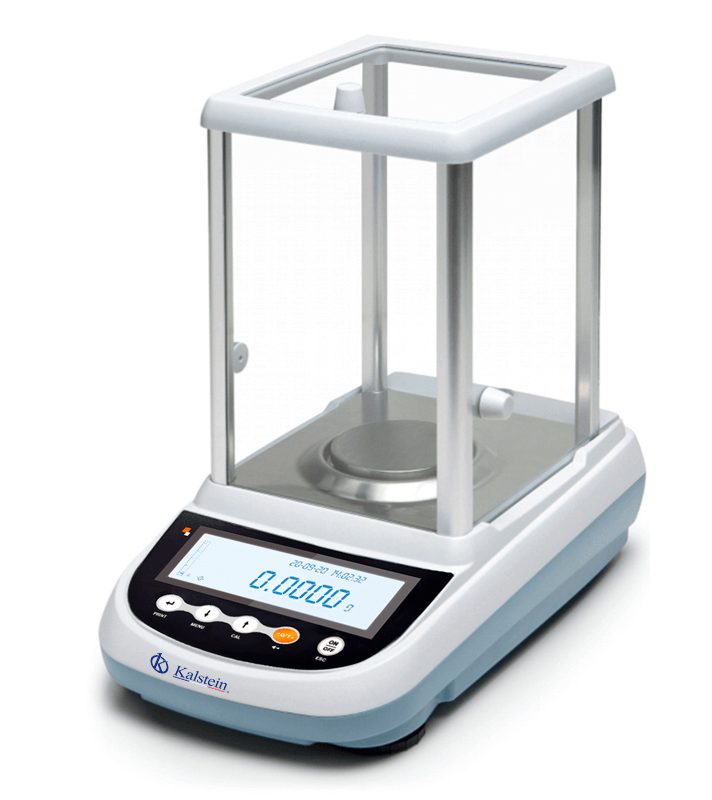
Optimizing Predictive Maintenance and Periodic Calibration for Analytical Balances
In laboratory settings, maintaining the accuracy and reliability of analytical balances is crucial. Predictive maintenance and periodic calibration are essential practices that ensure these instruments perform optimally. This article delves into best practices, guidelines, and the importance of these maintenance strategies in the context of analytical balances.
Understanding Predictive Maintenance for Analytical Balances
Predictive maintenance refers to the proactive approach of monitoring the condition of analytical balances to prevent unexpected failures. This approach allows laboratories to schedule maintenance activities based on the actual condition of the equipment rather than relying solely on manufacturer recommendations or usage time. By leveraging data collection techniques, labs can analyze wear and tear, identifying potential issues before they escalate.
Benefits of Predictive Maintenance
Implementing predictive maintenance brings several benefits, including:
- Reduced downtime: By addressing issues before they lead to failure, laboratories can minimize operational interruptions.
- Cost savings: Avoiding large repair bills and extending the lifespan of equipment lead to significant savings over time.
- Improved accuracy: Continuous monitoring ensures that balances remain calibrated and accurate, enhancing the quality of measurements.
Periodic Calibration: Ensuring Measurement Accuracy
Periodic calibration of analytical balances is vital for maintaining compliance with standards such as ISO 17025. Regular calibration ensures that measurement results are traceable to national standards, thus enhancing the reliability of laboratory data.
Calibration Frequency: Best Practices
The frequency of calibration should be determined based on several factors, including the usage of the balance, the environment in which it operates, and manufacturer recommendations. As a general guideline:
- Balances used for critical measurements should be calibrated daily.
- Balances used less frequently may require calibration weekly or monthly.
Common Calibration Techniques for Analytical Balances
There are several calibration techniques that can be employed to ensure accuracy:
- Internal Calibration: Many modern analytical balances, such as the YR05568, come equipped with internal calibration capabilities, allowing for automated calibration adjustments.
- External Calibration: Involves using certified weights to calibrate the balance manually, which may be necessary in environments with fluctuating conditions.
Comparison of Available Models
| Model | Calibration Type | Capacity (g) | Price (USD) | Best For |
|---|---|---|---|---|
| YR05568 | Internal/External | 220 | 790.00 | High precision general lab use |
| YR05569 | Internal/External | 310 | 825.00 | Laboratories requiring versatile capacity |
| YR05570 | Internal/External | 410 | 1080.00 | Moderate to high load applications |
| YR05571 | Internal/External | 510 | 1125.00 | High load requirements |
| YR05572 | Internal/External | 610 | 1240.00 | Heavy-duty laboratory tasks |
| YR05573 | Internal | 100 | 325.00 | Jewelry and high-precision requirements |
Common Mistakes and How to Avoid Them
In the pursuit of accurate measurements and efficient maintenance, laboratories often make mistakes that can hinder performance. Here are some common errors and their solutions:
- Neglecting Environmental Conditions: Ensuring that balances are kept in stable environments free from vibration and drafts is crucial for accuracy.
- Inconsistent Calibration Schedule: Adopting a regular calibration schedule based on usage and environmental conditions can prevent inaccuracies.
- Ignoring Warning Signs: Any inconsistency in readings should be investigated promptly to avoid further issues.
Frequently Asked Questions
How can I ensure my analytical balance remains ISO 17025 compliant?
To ensure compliance with ISO 17025, regularly calibrate your analytical balance, such as the YR05568, using certified calibration weights. Maintain a calibration log and document all measurements to support traceability and adherence to quality standards.
What are the key features of predictive maintenance for analytical balances?
Predictive maintenance involves monitoring the performance of analytical balances like the YR05569 through data analytics to forecast maintenance needs, thus optimizing uptime and reducing operational costs.
How often should I calibrate my analytical balance for best results?
Calibration frequency for analytical balances, such as the YR05570, depends on usage. Daily calibration is recommended for critical applications, while less frequent use may warrant weekly or monthly checks.
What factors influence the choice of an analytical balance in a lab?
Factors include the necessary capacity, precision, calibration capabilities, and the specific applications for which the balance is intended. Models like YR05571 suit high-load environments, while others may target precise measurements.
What maintenance practices enhance the longevity of analytical balances?
Implementing routine cleaning, ensuring stable environmental conditions, and adhering to a strict calibration schedule will significantly enhance the longevity and reliability of models such as the YR05572.
How can I track the calibration history of my analytical balance?
Using a calibration logbook or digital tracking system will effectively monitor the calibration history of your analytical balances, including models like the YR05573, ensuring compliance and accountability.
What are the indicators of an analytical balance needing maintenance?
Inconsistent weight readings or longer stabilization times often indicate that an analytical balance, such as the YR05568, may require maintenance or recalibration. Regular checks can prevent significant issues.
How does periodic calibration impact the performance of analytical balances?
Periodic calibration ensures that analytical balances maintain accuracy and reliability in measurements, crucial for compliance with standards like ISO 17025. Regular checks help identify drift and correct it promptly.
If you are looking for a fusion of innovation and quality, you have come to the right place. At Kalstein, we offer you the luxury of exploring our exclusive catalog of laboratory equipment. We manufacture every device to the highest standards of excellence. Our intuitive and seamless online purchasing channels are designed for your convenience, securing the most competitive prices. Hesitate no longer — we bring science to life, it is time to become part of our community.