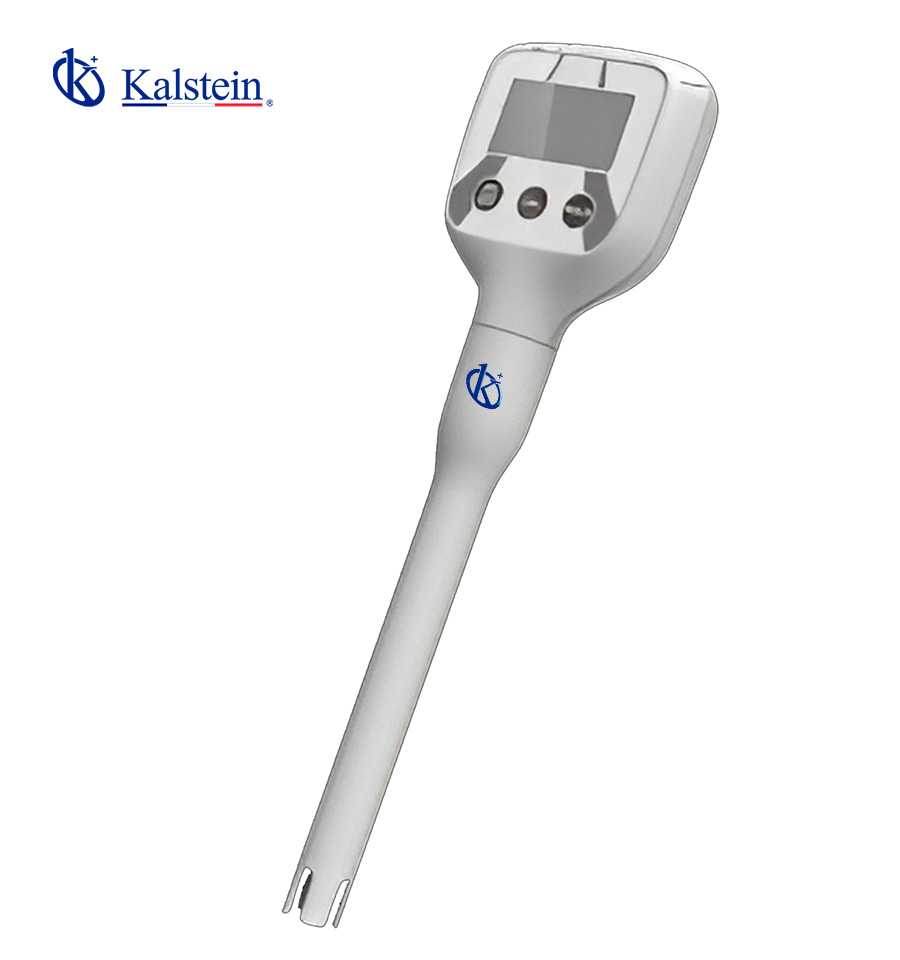
How to Optimize ROI with Portable Conductivity Meters in Laboratories
Portable conductivity meters are essential tools in various laboratory environments, providing critical measurements vital for numerous applications. As laboratories strive for efficiency and cost-effectiveness, understanding the return on investment (ROI) associated with these instruments becomes crucial. This article delves into the cost-benefit analysis, optimal usage scenarios, and comparative evaluation of popular portable conductivity meters.
Understanding the Importance of ROI in Laboratory Equipment
ROI is a key performance indicator that helps laboratories assess the profitability of their investments. It allows laboratory managers to evaluate whether the capital spent on equipment like portable conductivity meters results in sufficient returns, whether through improved efficiency, accuracy, or reduced operational costs. A well-planned ROI strategy incorporates both initial and ongoing costs, aligning them against the benefits derived from enhanced measurement capabilities.
Factors Affecting ROI for Portable Conductivity Meters
Several factors influence the ROI of portable conductivity meters, including:
- Initial Cost: The purchase price of the meter affects the upfront investment.
- Operational Costs: Maintenance, calibration, and consumables contribute to ongoing expenses.
- Efficiency Gains: Improved measurement speed and accuracy can reduce labor costs and testing times.
- Durability and Longevity: High-quality meters often require less frequent replacement, thereby lowering long-term costs.
Comparison of Available Models
| Model | CAPEX (USD) | Cost per Test | Payback Period (months) | Recommended Scenario |
|---|---|---|---|---|
| YR01805 | 24.00 | 0.10 | 3 | Field Testing |
| YR01806 | 149.00 | 0.25 | 6 | Laboratory Testing |
| YR01808 | 59.00 | 0.15 | 4 | Multiple Range Testing |
| YR01809 | 62.00 | 0.20 | 5 | Multi-parameter Analysis |
| YR01810 | 65.00 | 0.18 | 5 | Salinity Testing |
| YR01811 | 50.00 | 0.12 | 3 | Low Concentration Liquids |
Common Mistakes and How to Avoid Them
In laboratories, mistakes in the use of portable conductivity meters can lead to inaccurate results and financial losses. Common pitfalls include:
- Neglecting Calibration: Regular calibration is essential for accurate measurements. Ensure all models, such as YR01806, are calibrated according to guidelines.
- Ignoring Operating Conditions: Always consider the environmental conditions where the meter will be used, as these can affect readings.
- Underestimating Maintenance Needs: Regular maintenance helps prolong the life of the instruments, enhancing ROI.
Key Features of Portable Conductivity Meters
When evaluating portable conductivity meters, consider the following key features:
- Measurement Range: Choose models like YR01808 for versatility across different conductivity ranges.
- Display Quality: High-quality screens, such as those on YR01806, improve usability in lab environments.
- Durability: Look for models with high IP ratings for added protection in various environments.
Practical Applications of Portable Conductivity Meters
Portable conductivity meters find applications across various fields:
- Water Quality Testing: Essential for analyzing pollutant levels in bodies of water.
- Agriculture: Helps assess soil salinity, critical for crop health.
- Food Industry: Used to monitor brine solutions and fermentation processes.
Cost-Benefit Analysis Framework
A thorough cost-benefit analysis should consider:
- Initial Investment: Capital expenditure for purchasing the devices.
- Operational Costs: Routine costs associated with calibration, maintenance, and consumables.
- Revenue Generation: Evaluate how improved accuracy leads to better product quality and customer satisfaction, which can enhance revenue.
Frequently Asked Questions
What is the expected ROI from using portable conductivity meters in a lab?
The expected ROI from using portable conductivity meters like the YR01806 can vary but is typically positive when operational and maintenance costs are balanced against efficiency gains. For many labs, the payback period can be as short as 6 months, depending on usage frequency and accuracy improvements.
How do I choose the right portable conductivity meter for my laboratory?
Selecting the right meter involves assessing your specific needs, such as the measurement range and the operating environment. Models like the YR01810 are ideal for labs needing both TDS and salinity measurements, offering versatility and functionality in one device.
Which portable conductivity meter is best for field testing applications?
The YR01805 model is particularly well-suited for field testing due to its lightweight design and waterproof capabilities, making it a reliable option for on-site measurements without compromising accuracy.
What factors impact the operational costs of portable conductivity meters?
Operational costs of portable conductivity meters, such as the YR01809, can be influenced by routine calibration needs, replacement of consumables, and the frequency of use. Regular maintenance also plays a crucial role in ensuring long-term cost-effectiveness.
How often should portable conductivity meters be calibrated?
Calibration frequency largely depends on usage; for models like YR01808, it is recommended to calibrate every 30 days, or after significant changes in environmental conditions, to maintain accuracy and reliable results.
What are the key benefits of using portable conductivity meters in laboratories?
Key benefits include increased measurement accuracy, cost savings through efficient procedures, and versatile applications in various fields, such as agriculture and environmental monitoring, which can significantly improve laboratory operations.
How can I ensure the accuracy of my portable conductivity meter?
To ensure accuracy, always follow the manufacturer’s calibration guidelines, use the appropriate calibration solutions, and conduct regular maintenance. Models like the YR01806 provide automatic calibration features that help maintain precision in various settings.
What are the best practices for using portable conductivity meters?
Best practices include ensuring the meter is calibrated before use, storing it in appropriate conditions, and regularly checking for any signs of wear or damage. Following these practices can extend the lifespan of models such as YR01811.
If you are looking for a fusion of innovation and quality, you have come to the right place. At Kalstein, we offer you the luxury of exploring our exclusive catalog of laboratory equipment. We manufacture every device to the highest standards of excellence. Our intuitive and seamless online purchasing channels are designed for your convenience, securing the most competitive prices. Hesitate no longer — we bring science to life, it is time to become part of our community.