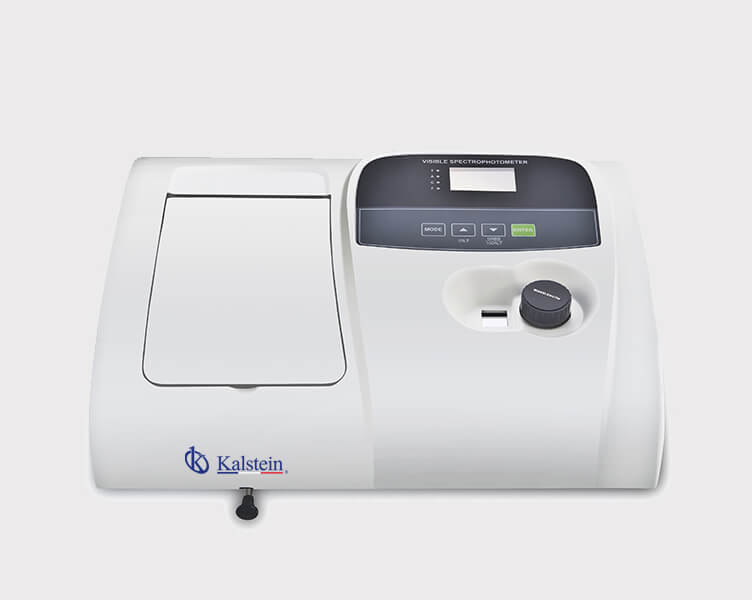
Maximizing ROI with Unique Beam Spectrophotometers: A Comprehensive Guide
In the competitive landscape of laboratory operations, understanding the return on investment (ROI) and conducting a thorough cost-benefit analysis for equipment such as unique beam spectrophotometers is essential. This guide delves into how these instruments can enhance laboratory efficiency and productivity, ultimately contributing to bottom-line improvements.
Understanding Unique Beam Spectrophotometers in the Context of ROI
Unique beam spectrophotometers are invaluable tools in various laboratory settings, from research and development to quality control in manufacturing. These instruments offer precise measurements of absorbance and transmittance across different wavelengths, making them crucial for analyses in clinical, environmental, and educational laboratories. However, to maximize ROI, laboratories must evaluate not only the initial investment but also ongoing operating costs and potential savings.
Factors Influencing ROI and Cost-Benefit Analysis
When calculating ROI for unique beam spectrophotometers, several factors come into play:
- Initial Investment (CAPEX): The upfront cost of acquiring a spectrophotometer.
- Operational Costs (OPEX): Ongoing expenses, including maintenance, consumables, and labor.
- Throughput: The number of samples processed within a given timeframe, affecting revenue generation.
- Efficiency Gains: Improvements in accuracy and speed that can lead to cost reductions or increased capacity.
By analyzing these factors, labs can develop a clearer picture of their spectrophotometer's financial impact.
Comparative Analysis of Unique Beam Spectrophotometer Models
The following table summarizes key unique beam spectrophotometer models, highlighting their features and financial implications:
| Model | CAPEX (USD) | Cost per Test (USD) | Payback Period (Months) | Recommended Scenario |
|---|---|---|---|---|
| YR01844 | 330.00 | 0.50 | 4 | Small labs with low to moderate throughput |
| YR01845 | 530.00 | 0.45 | 6 | Medium labs requiring multiple curve setups |
| YR01846 | 690.00 | 0.40 | 8 | High precision needs, varied wavelength analysis |
| YR01847 | 840.00 | 0.38 | 10 | High-demand applications with automated features |
| YR01850 | 790.00 | 0.43 | 9 | Versatile applications, including spectroscopic analysis |
| YR01853 | 1630.00 | 0.35 | 12 | Large-scale labs with extensive testing requirements |
Common Mistakes and How to Avoid Them
Many laboratories make mistakes that can hinder the effective utilization of their unique beam spectrophotometers. Here are some common pitfalls:
- Underestimating Operational Costs: Focus on the purchase price alone without considering ongoing costs can skew ROI calculations. Include maintenance and consumables in projections.
- Neglecting Training: Failure to provide adequate training can lead to inefficient use and hindered performance. Ensure all operators are well-trained to maximize instrument usage.
- Not Regularly Reviewing Performance: Conduct a periodic review of instrument performance and costs to identify inefficiencies or areas for improvement.
Frequently Asked Questions
What is the ROI for using the YR01844 unique beam spectrophotometer in a laboratory?
The ROI for the YR01844 can be attractive, especially for small labs, given its low CAPEX of $330. With a cost per test of $0.50 and a payback period of just 4 months, this model is ideal for those starting in spectrophotometric analysis.
How do I calculate the cost per test for the YR01845 spectrophotometer?
To calculate the cost per test for the YR01845, consider the initial purchase cost of $530, ongoing consumable costs, and the number of tests performed. This model's cost per test is approximately $0.45, making it economical for medium laboratories.
Which unique beam spectrophotometer is best for high-demand applications?
The YR01847 is ideal for high-demand applications, featuring automatic wavelength adjustment and a payback period of 10 months. With its robust specifications, this model supports extensive testing requirements effectively.
What are the operational cost considerations for the YR01850 model?
When considering the YR01850, factor in operational costs such as consumables and maintenance, alongside its CAPEX of $790. With a competitive cost per test of $0.43, it provides good value for diverse laboratory applications.
How does the YR01853 spectrophotometer support large-scale laboratories?
The YR01853 is designed for large-scale laboratories, offering a broad wavelength range of 190-1100 nm and stable results. With a payback period of 12 months and low operational costs, it optimizes productivity in high-volume settings.
What features make the YR01846 suitable for precise analytical work?
The YR01846 employs advanced technology for enhanced wavelength accuracy and resolution, making it highly suitable for precise analytical work. Its payback period of 8 months reflects its efficiency in generating reliable results.
How should laboratories approach the purchase of unique beam spectrophotometers?
Laboratories should assess their specific needs, expected throughput, and budget constraints when purchasing unique beam spectrophotometers. Models like the YR01844 and YR01850 offer flexibility in various applications.
What ROI can I expect from a unique beam spectrophotometer over five years?
Over a five-year period, the ROI for models like the YR01847 can be substantial, given its efficiency in cost per test and operational capabilities. Proper analysis can reveal significant savings and increased throughput.
If you are looking for a fusion of innovation and quality, you have come to the right place. At Kalstein, we offer you the luxury of exploring our exclusive catalog of laboratory equipment. We manufacture every device to the highest standards of excellence. Our intuitive and seamless online purchasing channels are designed for your convenience, securing the most competitive prices. Hesitate no longer — we bring science to life, it is time to become part of our community.