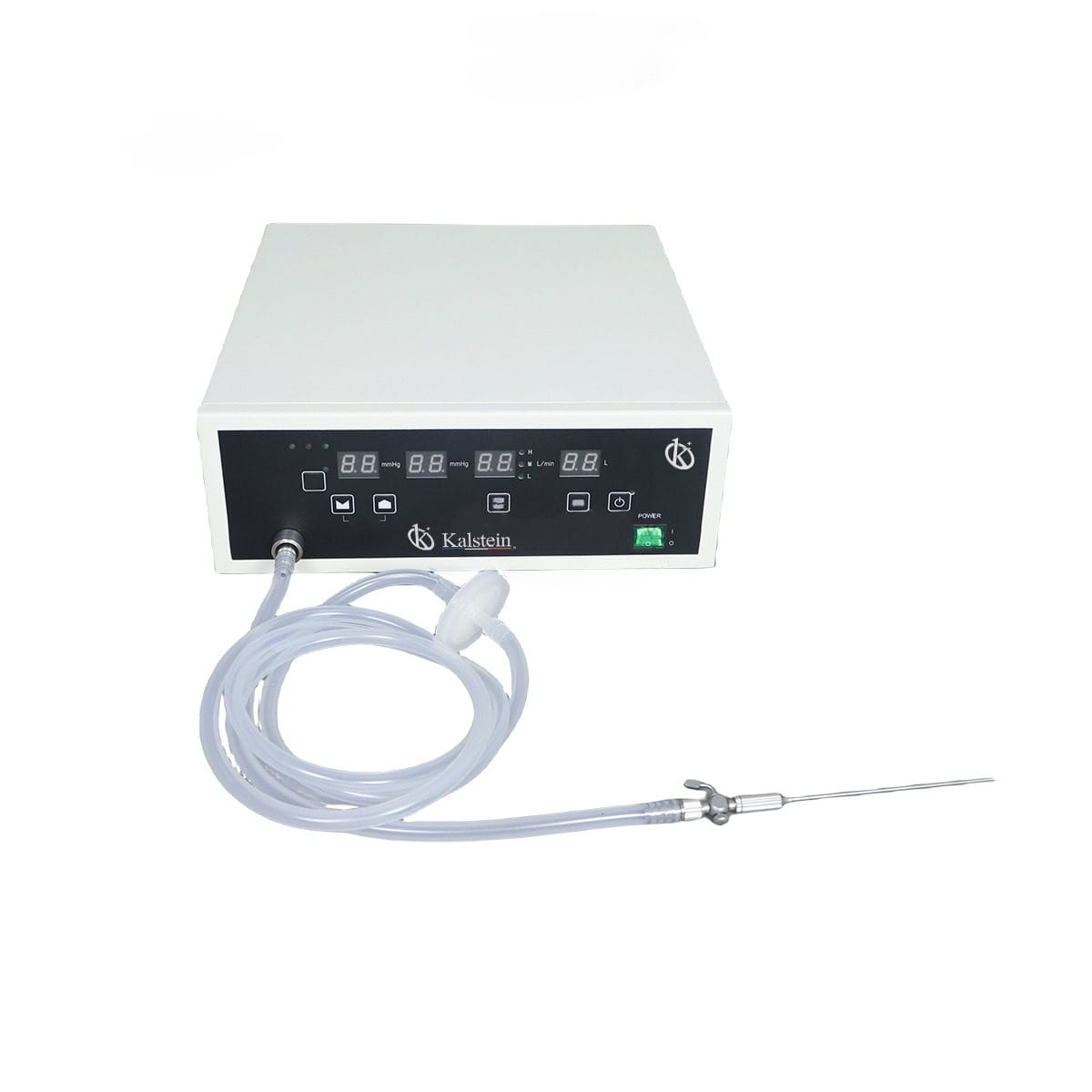
Maximizing ROI and Cost-Benefit Analysis for Veterinary Laparoscopy Systems
In the rapidly evolving field of veterinary surgical equipment, the integration of advanced technology such as Veterinary Laparoscopy Systems has become paramount for enhancing surgical outcomes and operational efficiency. This article delves deeply into how veterinarians can optimize their return on investment (ROI) and conduct a thorough cost-benefit analysis for these systems. By understanding the financial implications and operational benefits of various models, veterinary practices can make informed decisions that enhance patient care and business sustainability.
Understanding ROI in Veterinary Laparoscopy Systems
Return on investment (ROI) is a critical financial metric that assesses the profitability of an investment relative to its cost. In the context of Veterinary Laparoscopy Systems, calculating ROI involves analyzing various factors, including initial investment costs, operational costs, and increased revenue from improved surgical efficiency. A sound ROI analysis not only helps justify the purchase of these systems but also identifies the potential financial benefits over time.
Key Factors Influencing ROI
Several key factors influence the ROI of Veterinary Laparoscopy Systems:
- Initial Costs: The purchase price of the equipment, including necessary accessories and installation costs, forms the basis of your investment.
- Operational Costs: This includes maintenance, consumables, and the costs associated with staff training to effectively use the equipment.
- Increased Revenue: By reducing surgery times and enhancing patient throughput, practices can generate more income, directly impacting ROI.
- Patient Outcomes: Improved surgical results contribute to practice reputation, leading to more referrals and repeat business.
Performing a Cost-Benefit Analysis
A cost-benefit analysis (CBA) evaluates the total expected costs against the total expected benefits of different models of Veterinary Laparoscopy Systems. To perform an effective CBA, the following steps should be undertaken:
- Identify Costs: Gather data on the purchase price (CAPEX), operational costs (OPEX), and any associated financing costs.
- Estimate Benefits: Assess the potential increase in revenue from improved efficiency and patient turnover rates.
- Quantify Time Savings: Calculate the time saved during procedures, translating that into a financial metric.
- Calculate Net Present Value (NPV): Use NPV to evaluate the profitability of the investment over time.
- Consider Intangible Benefits: Evaluate improvements in patient care and operational reputation.
Comparison of Available Models
| Model | CAPEX (USD) | Cost per Procedure (Est.) | Payback Period (Months) | Recommended Scenario |
|---|---|---|---|---|
| YR06157 | 1900.00 | 150.00 | 12 | Small animal surgeries |
| YR06156 | 7700.00 | 350.00 | 20 | Multi-purpose surgical environments |
| YR06158 | 3000.00 | 200.00 | 15 | Portable and field use |
Common Mistakes and How to Avoid Them
Veterinary practices often fall into common pitfalls when evaluating Veterinary Laparoscopy Systems. Here are some mistakes and strategies to avoid them:
- Ignoring Total Cost of Ownership: Practices should consider not only initial purchase prices but ongoing operational costs, including maintenance and supplies.
- Underestimating Training Costs: Proper training is essential for maximizing the benefits of any system. Allocate budget and time for thorough staff training.
- Neglecting Patient Outcome Metrics: Focus on how the equipment affects patient care and recovery times, as these are key to long-term success.
- Failing to Compare Models: Always compare different models and their specifications to ensure the best fit for your practice.
Frequently Asked Questions
What is the cost of a Veterinary Laparoscopy System and how does it impact ROI?
The cost of a Veterinary Laparoscopy System varies significantly, with models like YR06157 priced at $1900.00. This initial investment can yield a substantial ROI when considering reduced procedure times and increased surgical throughput, ultimately impacting the practice's profitability.
How does training affect the ROI of Veterinary Laparoscopy Systems?
Training is crucial for maximizing the benefits of systems like YR06156. Well-trained staff can perform procedures more efficiently, leading to better patient outcomes and higher surgical volumes, thus enhancing overall ROI.
Which factors should be considered in a cost-benefit analysis of these systems?
Critical factors include the initial cost of the equipment, operational costs, potential revenue increases from improved efficiency, and patient turnover rates. An example is the YR06158 model, which has a purchase price of $3000.00 and offers a good balance of benefits.
How can a Veterinary Laparoscopy System enhance patient outcomes?
Systems like YR06157 improve visualization and surgical precision, leading to faster recovery times and lower complication rates. The enhanced patient care translates into a stronger reputation for your practice and increased client loyalty.
What are the expected payback periods for different models of Veterinary Laparoscopy Systems?
The payback period varies by model; for instance, the YR06157 has a payback period of around 12 months, while the YR06156 might take up to 20 months due to its higher initial costs. Understanding these timelines helps practices plan financially.
Which Veterinary Laparoscopy System is best for small animal surgeries?
The YR06157 model is specifically designed for small animals, providing effective CO2 insufflation at a competitive price point of $1900.00. It offers features tailored for small veterinary practices focusing on efficiency and patient care.
How does the choice of model affect surgical throughput?
Surgical throughput can be directly impacted by the choice of model. For example, the YR06156, with advanced imaging capabilities, may allow for faster procedure times and higher patient volume compared to less sophisticated models.
What are the long-term benefits of investing in a Veterinary Laparoscopy System?
Long-term benefits include improved patient outcomes, enhanced surgical capabilities, increased practice revenue, and a stronger competitive edge in the veterinary market. Models like YR06158 offer portability, allowing for versatile applications in various settings.
If you are looking for a fusion of innovation and quality, you have come to the right place. At Kalstein, we offer you the luxury of exploring our exclusive catalog of laboratory equipment. We manufacture every device to the highest standards of excellence. Our intuitive and seamless online purchasing channels are designed for your convenience, securing the most competitive prices. Hesitate no longer — we bring science to life, it is time to become part of our community.