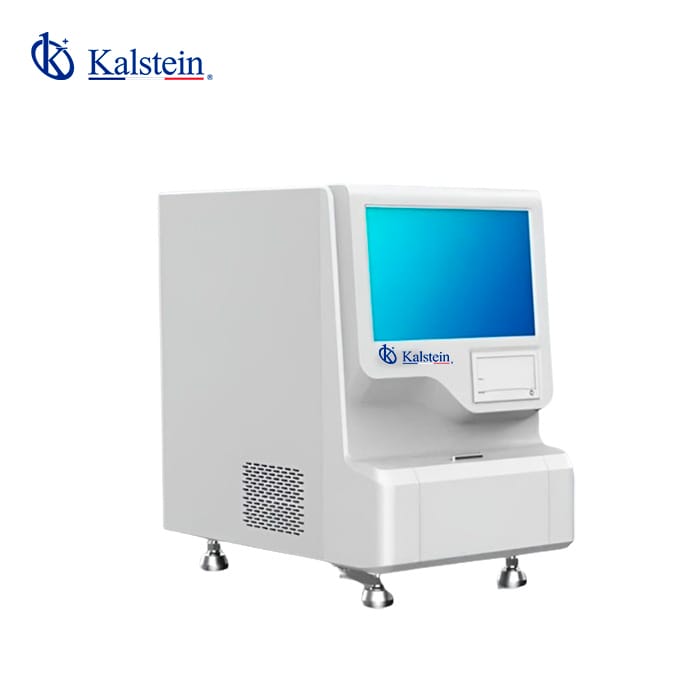
Maximizing ROI and Cost-Benefit Analysis for Chemiluminescence Immunoassay Analyzers
In laboratory settings, particularly in clinical diagnostics, the selection of the right chemiluminescence immunoassay analyzers is critical for both financial and operational success. In this article, we will delve into the concept of return on investment (ROI) and cost-benefit analysis specific to chemiluminescence immunoassay analyzers. Understanding these financial aspects can help laboratories make informed decisions that enhance efficiency while minimizing costs.
Understanding ROI and Cost-Benefit Analysis in Laboratories
Return on investment is a performance measure used to evaluate the efficiency of an investment, calculated by dividing net profit from the investment by the cost of the investment. Cost-benefit analysis, on the other hand, involves comparing the costs and benefits of a decision, project, or investment to determine its feasibility or profitability.
In a lab context, calculating ROI and conducting a cost-benefit analysis helps in determining which chemiluminescence immunoassay analyzer models offer the best balance of cost, performance, and reliability. Factors to consider include initial purchase price, operating costs, maintenance expenses, and the expected increase in testing capacity.
Key Factors in Evaluating Chemiluminescence Immunoassay Analyzers
When assessing chemiluminescence immunoassay analyzers, several factors should be considered:
- Initial Investment: The purchase price of the analyzers, which can vary significantly among models.
- Operating Costs: This includes the cost of reagents, consumables, and resources required to run the analyzers effectively.
- Throughput and Efficiency: The number of tests performed per hour plays a crucial role in determining the potential ROI.
- Maintenance Requirements: The frequency and costs associated with maintenance and servicing should also be factored in.
- Longevity and Reliability: Consideration of the equipment's lifespan and reliability is essential for long-term investment value.
Comparison of Available Models
| Model | CAPEX (USD) | Cost per Test (USD) | Payback (months) | Recommended Scenario |
|---|---|---|---|---|
| YR06387 | 3500 | 2.50 | 14 | Small clinics |
| YR06388 | 5000 | 3.00 | 16 | Medium-sized labs |
| YR06389 | 9000 | 3.50 | 18 | Urgent care centers |
| YR06390 | 15000 | 4.00 | 24 | Large hospitals |
| YR06710 | 7500 | 3.80 | 20 | Emergency departments |
Cost-Benefit Analysis of Selected Models
To properly evaluate each model, laboratories must consider not only the purchase price but also how these analyzers will impact operational efficiency and financial sustainability. For instance, while the YR06390 model has the highest initial cost at $15,000, its testing speed of 220 tests/hour and low cost per test can lead to savings in a high-throughput environment.
Common Mistakes and How to Avoid Them
Laboratories often make several common mistakes when selecting chemiluminescence immunoassay analyzers:
- Failing to perform a thorough cost-benefit analysis, leading to overspending or inefficiency.
- Not considering the specific needs of the laboratory and choosing models that do not match throughput requirements.
- Underestimating ongoing operational costs, such as reagents and maintenance.
- Ignoring potential scalability and future needs when investing in equipment.
Frequently Asked Questions
What is the average ROI for chemiluminescence immunoassay analyzers in clinical labs?
The average ROI for chemiluminescence immunoassay analyzers varies, but models like YR06387 can achieve payback in approximately 14 months due to low operational costs and efficient testing capabilities.
How do I calculate the total cost of ownership for a chemiluminescence analyzer?
To calculate the total cost of ownership, sum all acquisition costs, operating expenses, maintenance fees, and any additional costs over the equipment's expected lifespan, considering models like YR06388 for their operational efficiencies.
Which chemiluminescence immunoassay analyzer offers the lowest cost per test?
The YR06387 model presents a competitive cost per test at approximately $2.50, making it an economical choice for smaller clinics seeking efficient diagnostic solutions.
What factors influence the total cost of ownership for a lab analyzer?
Factors influencing the total cost of ownership include initial purchase price, operational costs, maintenance needs, and the expected lifespan of the analyzer, particularly relevant for models like YR06390.
How can I ensure my chemiluminescence analyzer is compliant with industry standards?
Compliance can be achieved by selecting models like YR06388 that include built-in features for quality control and data tracking, ensuring adherence to standards such as ISO 15189.
What are the long-term benefits of investing in a high-quality chemiluminescence analyzer?
Investing in high-quality analyzers like the YR06390 can lead to improved accuracy, lower operational costs, and higher throughput, ultimately resulting in better patient outcomes and operational efficiency.
How important is maintenance in assessing ROI for laboratory analyzers?
Maintenance is crucial in assessing ROI, as regular servicing can prevent downtime and ensure peak performance, directly impacting the overall cost-effectiveness of models like YR06710.
What testing capacity should I look for in a chemiluminescence analyzer?
Testing capacity will depend on laboratory size and needs; for example, larger labs may prefer models like YR06390 with high throughput (220 tests/hour) for maximum efficiency.
If you are looking for a fusion of innovation and quality, you have come to the right place. At Kalstein, we offer you the luxury of exploring our exclusive catalog of laboratory equipment. We manufacture every device to the highest standards of excellence. Our intuitive and seamless online purchasing channels are designed for your convenience, securing the most competitive prices. Hesitate no longer — we bring science to life, it is time to become part of our community.