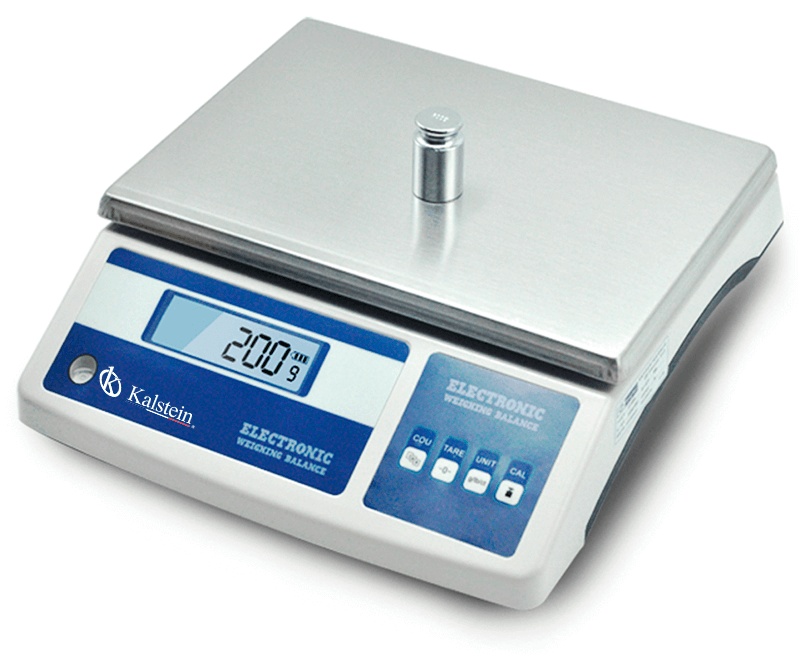
How to Achieve LIMS Integration and Data Digitalization with Industrial Balances
In the realm of laboratory operations, the integration of Industrial Balances with Laboratory Information Management Systems (LIMS) is revolutionizing the way data is handled. This article delves into the importance of digitalizing data flow through effective integration, focusing on various models of industrial balances and their specifications, advantages, and challenges.
The Impact of LIMS Integration on Industrial Balances
LIMS integration is essential for achieving seamless data management in laboratories. It enhances traceability, data accuracy, and operational efficiency. By connecting industrial balances to LIMS, laboratories can automate data capture, reducing the risks associated with manual entry and ensuring compliance with various standards. This integration facilitates real-time data analysis, ultimately leading to informed decision-making and improved laboratory productivity.
Understanding LIMS Integration Protocols
Different industrial balances can be integrated with LIMS using various connectivity protocols. Common protocols include ASTM, HL7, and REST, which allow data exchange between the balance and the LIMS platform. Understanding these protocols is crucial for laboratory professionals to ensure proper integration and functionality of their equipment.
Benefits of Digitalizing Data Flow in Laboratories
The digitalization of data flow has numerous benefits, including enhanced data accessibility, improved efficiency, and better compliance with regulatory requirements. With LIMS integration, industrial balances provide timely data reporting and facilitate compliance with standards like ISO 17025. This not only improves laboratory operations but also enhances overall data integrity.
Choosing the Right Industrial Balance for Your LIMS
Choosing the appropriate industrial balance for LIMS integration involves evaluating several factors, including capacity, readability, and functionality. Each model serves specific applications, which must align with laboratory requirements. Understanding the specifications and capabilities of different models can aid laboratory professionals in making informed decisions.
Comparison of Available Models
| Model | Capacity | Readability | Integration Features | Best For |
|---|---|---|---|---|
| YR05606 | 11kg | 1g | RS232 Interface | General laboratory use |
| YR05607 | 16kg | 1g | RS232 Interface | High precision applications |
| YR05608 | 21kg | 1g | RS232 Interface | Heavy-duty applications |
| YR05609 | 31kg | 1g | RS232 Interface | Industrial scale operations |
| YR05610 | 5.1kg | 0.1g | USB Interface | Precision tasks |
| YR05611 | 11kg | 0.1g | USB Interface | Application in research labs |
| YR05612 | 16kg | 0.1g | USB Interface | Manufacturing facilities |
| YR05613 | 21kg | 0.1g | USB Interface | Laboratory quality control |
| YR05614 | 26kg | 0.1g | USB Interface | High capacity industrial use |
Common Mistakes and How to Avoid Them
When integrating industrial balances with LIMS, laboratories often overlook essential aspects such as selecting the appropriate connectivity protocol and ensuring compatibility with existing systems. It is vital to conduct a thorough compatibility assessment before integration. Additionally, insufficient training for staff on the new system can lead to operational inefficiencies. Ensuring proper training and maintaining updated documentation can prevent these common pitfalls.
Enhancing Traceability with Industrial Balances
Traceability is crucial in laboratory operations, especially in regulated environments. Integrating industrial balances with LIMS enhances traceability by automatically logging data associated with each weighing process. This feature not only aids in compliance with ISO standards but also improves accountability within laboratory workflows. Implementing a robust data management system is essential for monitoring data integrity.
Frequently Asked Questions
How can I integrate industrial balances with my LIMS for better data management?
Integrating industrial balances with your LIMS can streamline your data management. Use models like YR05609 that support RS232 or USB interfaces for seamless data transfer. Ensure your LIMS can communicate with these protocols to automate data capture and enhance traceability.
What are the key benefits of digitalizing data with industrial balances?
Digitalizing data flow with industrial balances improves accuracy, compliance with standards like ISO 17025, and reduces manual entry errors. Models such as YR05610 offer advanced features that enhance data integrity and operational efficiency in laboratories.
Which industrial balance model is best for high-capacity applications?
The YR05609 industrial balance, with a capacity of 31kg, is ideal for high-capacity applications. Its robust features support efficient data transfer to LIMS, ensuring optimal performance in industrial environments.
How does LIMS integration enhance compliance in laboratories?
LIMS integration enhances compliance by automating data capture and ensuring real-time reporting. Models like YR05612 are designed to work seamlessly with LIMS, facilitating compliance with regulatory standards and improving data management processes.
What connectivity protocols should I consider for my industrial balance?
When integrating an industrial balance, consider connectivity protocols such as RS232 and USB. These protocols, utilized in models like YR05611, ensure efficient data transfer and compatibility with various LIMS systems.
How do I ensure data integrity with my industrial balance and LIMS?
To ensure data integrity, choose industrial balances like the YR05608 that offer reliable connectivity and support for automation. Regular calibration and validation checks are essential for maintaining data accuracy and compliance.
What is the role of industrial balances in laboratory workflows?
Industrial balances play a critical role in laboratory workflows by providing precise measurements that inform research and quality control processes. Models like YR05606 enhance the workflow by integrating effectively with LIMS for real-time data analysis.
How can I improve efficiency with industrial balances in a laboratory setting?
Improving efficiency can be achieved by integrating industrial balances with LIMS to automate data entry and reporting. Models such as YR05614 can handle high volumes while ensuring accuracy, optimizing laboratory throughput.
If you are looking for a fusion of innovation and quality, you have come to the right place. At Kalstein, we offer you the luxury of exploring our exclusive catalog of laboratory equipment. We manufacture every device to the highest standards of excellence. Our intuitive and seamless online purchasing channels are designed for your convenience, securing the most competitive prices. Hesitate no longer — we bring science to life, it is time to become part of our community.