How to Optimize Data Flow with LIMS Integration in Analytical Balances
In modern laboratories, the integration of Laboratory Information Management Systems (LIMS) with analytical balances is pivotal for improving data flow, ensuring compliance, and enhancing overall efficiency. This article focuses on the various analytical balances available, specifically how they can be utilized alongside LIMS to streamline laboratory processes, optimize data management, and achieve better regulatory compliance.
Understanding LIMS Integration and Its Importance
LIMS integration allows laboratories to manage samples, associated data, and laboratory workflows efficiently. By connecting analytical balances to LIMS, labs can automate data entry, reduce transcription errors, and enhance data accessibility. This seamless connectivity is critical for laboratories striving for operational efficiency and compliance with standards such as ISO 17025.
Overview of Analytical Balances
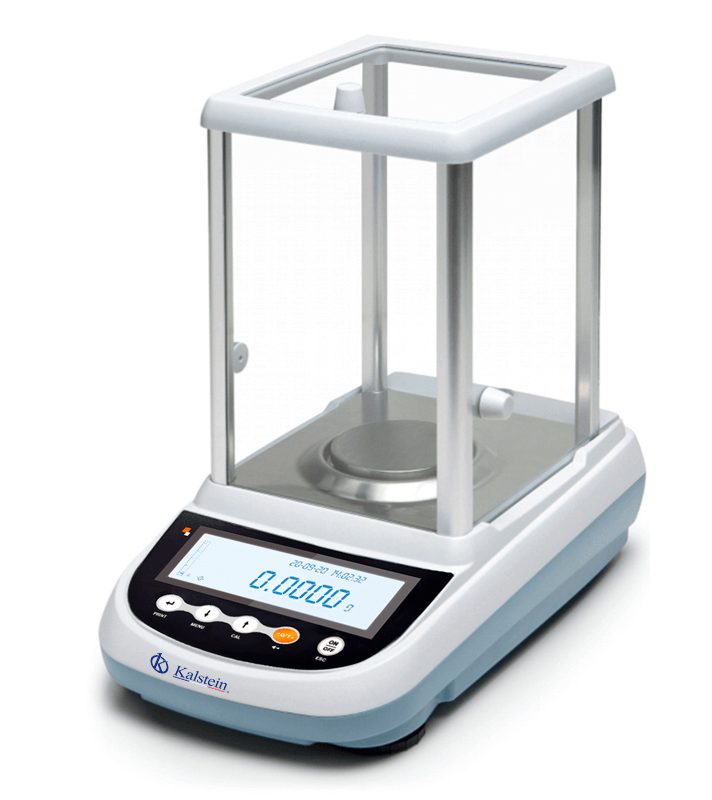
Analytical balances are precision instruments essential in laboratories for measuring mass with high accuracy. The models discussed in this article include the YR05568, YR05569, YR05570, YR05571, YR05572, and YR05573, which feature advanced functionalities tailored for integration with LIMS. Understanding their capabilities is essential for selecting the right balance for your laboratory needs.
Comparison of Available Models
| Model | Capacity (g) | Resolution (mg) | Connectivity | Best For |
|---|---|---|---|---|
| YR05568 | 220 | 0.1 | RS232 | Standard lab use |
| YR05569 | 310 | 0.1 | RS232 | High-precision applications |
| YR05570 | 410 | 0.1 | RS232 | Research laboratories |
| YR05571 | 510 | 0.1 | RS232 | Pharmaceutical analysis |
| YR05572 | 610 | 0.1 | RS232 | Industrial applications |
| YR05573 | 100 | 0.0001 | RS232, USB | Jewelry and density measurements |
Data Flow Optimization through LIMS Connectivity
Integrating analytical balances with LIMS can significantly optimize data flow in laboratories. It allows for real-time data collection and processing, reducing the time spent on manual data entry. This connection ensures that data from analytical balances is instantly available for analysis and reporting, enabling laboratories to maintain high standards of efficiency and accuracy.
Key Connectivity Protocols for LIMS Integration
When considering LIMS integration, it is essential to understand the connectivity protocols employed. RS232 is commonly used for basic data transfer, while more advanced models like YR05573 offer additional USB connectivity. Understanding these protocols aids in selecting the appropriate balance for seamless integration with existing LIMS infrastructure.
Common Mistakes and How to Avoid Them
Many laboratories overlook the importance of compatibility assessments when integrating analytical balances with LIMS. Failing to ensure that the balance’s communication protocols align with those of the LIMS can lead to data transfer issues. It is crucial to evaluate the specifications and potential integration challenges before making a purchase decision.
Best Practices for Maintaining Calibration and Compliance
Regular calibration of analytical balances is essential for maintaining accuracy and compliance with ISO 17025 standards. Laboratories should establish a routine calibration schedule, utilizing internal calibration features offered by models like YR05568 and YR05573. Implementing a robust calibration management system can help ensure that balances remain compliant and accurate.
Calibration Schedule Example
| Model | Calibration Frequency | Last Calibration Date | Next Calibration Due |
|---|---|---|---|
| YR05568 | Monthly | 2023-01-10 | 2023-02-10 |
| YR05573 | Weekly | 2023-01-15 | 2023-01-22 |
Frequently Asked Questions
How does LIMS integration improve the accuracy of analytical balances?
LIMS integration enhances the accuracy of analytical balances by reducing human error in data entry. For instance, the YR05568 can be connected to LIMS to automatically log measurement data, ensuring that every reading is recorded accurately and in real-time, thus fostering compliance with ISO standards.
What are the connectivity options available for analytical balances?
Analytical balances like the YR05573 offer multiple connectivity options, including RS232 and USB, allowing for easy integration with LIMS. This connectivity ensures seamless data transfer for effective laboratory management and accurate reporting.
Which analytical balance is best for compliance with ISO 17025?
The YR05571 is particularly well-suited for compliance with ISO 17025 due to its high capacity and precise measurement capabilities. Regular calibration and connectivity with LIMS further enhance its reliability in meeting compliance standards.
How often should analytical balances be calibrated for LIMS integration?
Analytical balances should be calibrated at least monthly to maintain accuracy and compliance with standards like ISO 17025. Models such as the YR05569 offer internal calibration features that simplify this process, ensuring reliable performance in LIMS-integrated environments.
What is the cost of implementing LIMS integration with analytical balances?
The cost of implementing LIMS integration varies by model and complexity of the system. For example, the YR05572 is priced at approximately $1240 and can be integrated with LIMS for enhanced data management, which can lead to cost savings in the long run.
Can analytical balances integrated with LIMS support different measurement units?
Yes, many analytical balances, including the YR05573, support various measurement units, such as grams and milligrams. This versatility is beneficial for laboratories that require different unit measurements for diverse applications within a LIMS framework.
What are the benefits of using the YR05573 in a LIMS environment?
The YR05573 is designed for high-precision applications and provides features such as automatic internal calibration and multiple connectivity options, making it ideal for LIMS integration. These features enhance operational efficiency and ensure compliance with laboratory standards.
How can I ensure my analytical balances remain compliant in a LIMS setup?
To ensure compliance, it is essential to establish a rigorous calibration schedule and utilize the internal calibration features available in models like the YR05570. Furthermore, maintaining accurate records and regular system audits will help uphold compliance in a LIMS setup.
If you are looking for a fusion of innovation and quality, you have come to the right place. At Kalstein, we offer you the luxury of exploring our exclusive catalog of laboratory equipment. We manufacture every device to the highest standards of excellence. Our intuitive and seamless online purchasing channels are designed for your convenience, securing the most competitive prices. Hesitate no longer — we bring science to life, it is time to become part of our community.