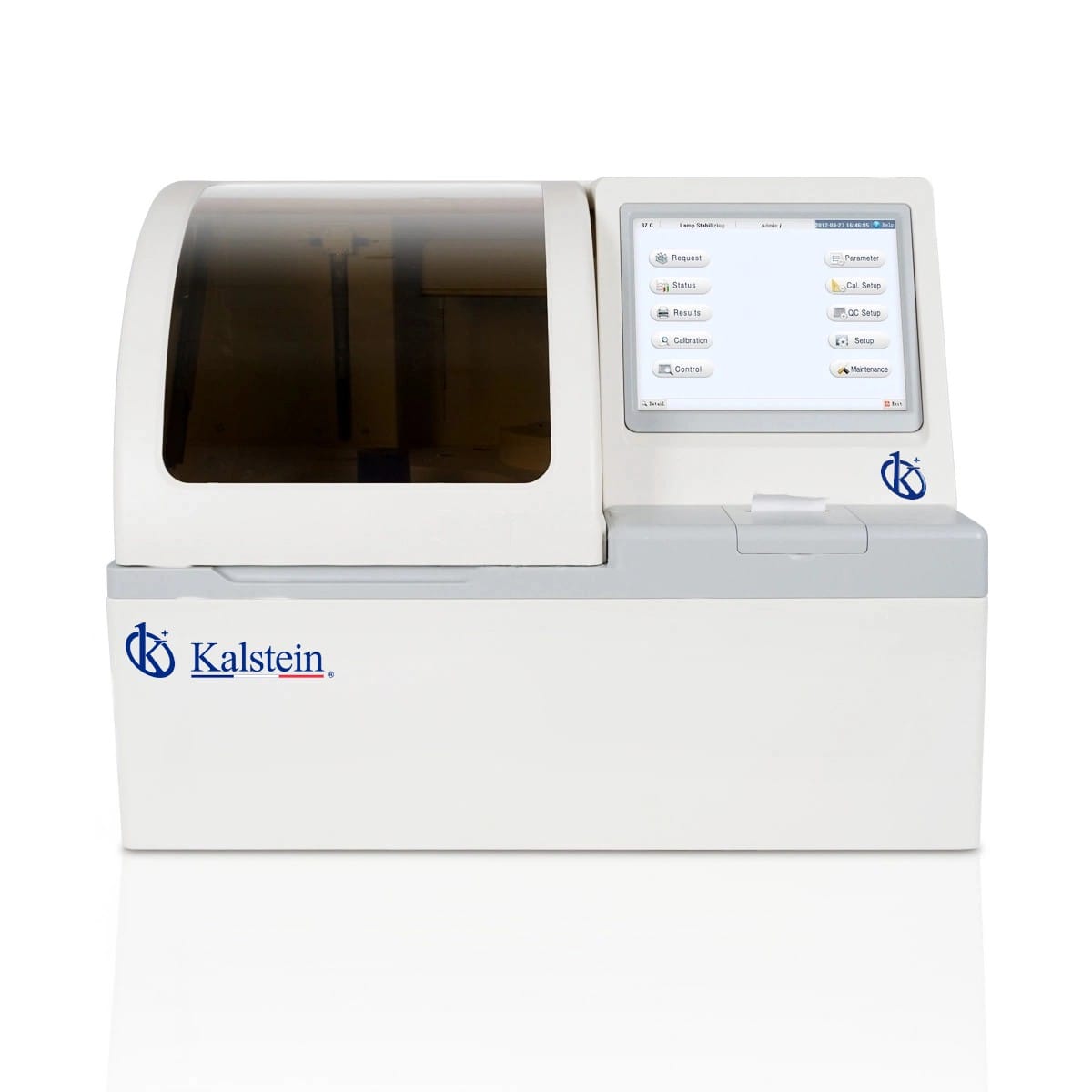
ISO/IEC Standards and Regulatory Compliance in Veterinary Chemistry Analyzers
The veterinary field increasingly relies on advanced analytical technologies to ensure accurate diagnostics and effective treatment for animals. Central to this process is the compliance with ISO/IEC standards, which play a critical role in ensuring quality and consistency in laboratory operations. This article delves into the significance of these standards, focusing on the regulatory compliance aspects of veterinary chemistry analyzers.
Understanding ISO/IEC Standards in Veterinary Chemistry
ISO/IEC standards provide frameworks and requirements that laboratories must meet to ensure the quality and reliability of their testing methods. Compliance with these standards is crucial not only for securing accreditation but also for fostering trust in laboratory results. The ISO 17025 standard, in particular, is critical for testing and calibration laboratories, including those that conduct veterinary diagnostics.
Key ISO/IEC Standards Relevant to Veterinary Chemistry Analyzers
Several key standards govern the operations of veterinary laboratories:
- ISO 17025: Specifies requirements for the competence of testing and calibration laboratories.
- ISO 15189: Pertains specifically to medical laboratories, ensuring quality and competence in veterinary applications.
- IEC 61010: Covers safety requirements for electrical equipment used in measurement, control, and laboratory use.
Understanding these standards is essential for laboratories aiming to implement effective quality management systems.
Audit Checklists for Compliance with ISO/IEC Standards
Conducting regular audits against ISO/IEC standards is crucial for maintaining compliance. An effective audit checklist may include:
| Checklist Item | Description | Frequency |
|---|---|---|
| Document Control | Ensure that all documents are reviewed, approved, and updated as necessary. | Quarterly |
| Training Records | Verify that personnel are trained and competency records are up to date. | Annually |
| Equipment Calibration | Confirm that all equipment used is calibrated according to specified standards. | Biannually |
| Quality Control | Review the quality control measures in place for testing processes. | Monthly |
Traceability in Laboratory Testing
Traceability is a cornerstone of ISO compliance, ensuring that all results can be traced back to a standard reference. Each veterinary chemistry analyzer must have documented procedures in place for traceability of results, from sample handling through to the final report generation. For example, the Automatic Veterinary Chemistry Analyzer YR06168 supports open reagent systems, increasing the flexibility and traceability of testing.
How Different Models Meet ISO/IEC Clauses
Various veterinary chemistry analyzers on the market offer different features that aid regulatory compliance:
| Model | ISO/IEC Clauses Covered | Traceability Features | Best For |
|---|---|---|---|
| YR06168 | ISO 17025, ISO 15189 | Open reagent system | High throughput labs |
| YR06169 | ISO 17025 | QR code for calibration data | Field testing |
| YR06172 | ISO 15189 | WiFi data transfer | Mobile diagnostics |
| YR06174 | IEC 61010 | Battery backup | Emergency care |
| YR06077 | ISO 17025 | Real-time monitoring | Laboratory research |
Common Mistakes and How to Avoid Them
Laboratories often face pitfalls in achieving compliance with ISO/IEC standards. Common mistakes include inadequate documentation, insufficient training, and overlooking equipment calibration. To avoid these, labs should implement regular training sessions, maintain comprehensive records, and establish a robust calibration schedule for their analyzers. Utilizing a model like the Chemical Veterinary Analyzer YR06077, which supports extensive testing parameters, can enhance compliance through its user-friendly features.
Frequently Asked Questions
How do ISO standards impact the choice of a veterinary chemistry analyzer?
ISO standards, such as ISO 17025, significantly influence the selection of a veterinary chemistry analyzer by ensuring that devices like the Automatic Veterinary Chemistry Analyzer YR06168 meet quality and reliability criteria necessary for accurate diagnostics.
What are the benefits of using ISO 15189 compliant analyzers in veterinary labs?
Using ISO 15189 compliant analyzers, such as the Portable Veterinary Chemistry Analyzer YR06169, ensures that veterinary laboratories uphold high standards of quality and accuracy in their testing processes, which is crucial for effective treatment.
Which veterinary chemistry analyzers are best for regulatory compliance?
The best veterinary chemistry analyzers for regulatory compliance include models like the Quantitative Veterinary Immunofluorescence Analyzer YR06172, as they facilitate adherence to ISO/IEC standards with features that enhance quality control and traceability.
How can laboratories ensure traceability in their testing results?
Laboratories can ensure traceability in testing results by using analyzers such as the Blood Gas and Electrolyte Analyzer YR06174, which provide documented calibration processes and real-time monitoring to maintain compliance with ISO standards.
What common mistakes lead to ISO non-compliance in veterinary labs?
Common mistakes include inadequate training and poor equipment maintenance. For instance, failing to regularly calibrate devices like the Chemical Veterinary Analyzer YR06077 can lead to inaccurate results and compliance issues.
How frequently should veterinary laboratories conduct audits for compliance?
Veterinary laboratories should conduct audits for compliance at least annually, using a checklist that includes equipment calibration, personnel training, and quality control measures to ensure adherence to ISO standards.
What role do digital tools play in maintaining ISO compliance?
Digital tools enhance ISO compliance by allowing laboratories to manage data efficiently, as seen with the use of wireless connectivity in analyzers like the YR06172, streamlining processes and maintaining thorough documentation.
How do veterinary chemistry analyzers contribute to clinical workflows in compliance?
Veterinary chemistry analyzers, such as the Automatic Veterinary Chemistry Analyzer YR06168, streamline clinical workflows by providing rapid test results while ensuring compliance with ISO standards, enhancing both efficiency and accuracy in diagnostics.
If you are looking for a fusion of innovation and quality, you have come to the right place. At Kalstein, we offer you the luxury of exploring our exclusive catalog of laboratory equipment. We manufacture every device to the highest standards of excellence. Our intuitive and seamless online purchasing channels are designed for your convenience, securing the most competitive prices. Hesitate no longer — we bring science to life, it is time to become part of our community.