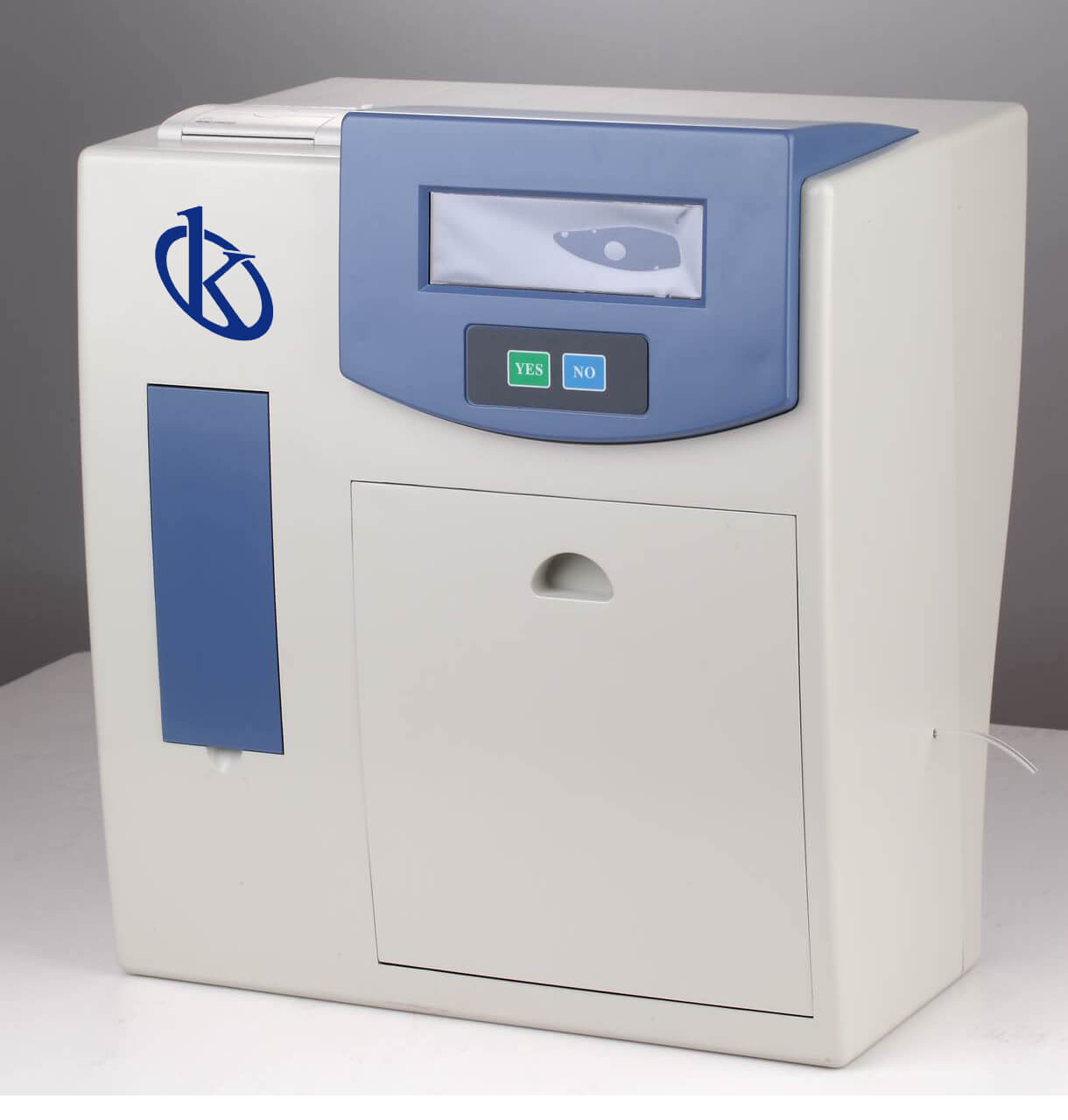
Understanding ISO/IEC Standards and Regulatory Compliance for Electrolyte Analyzers
In the ever-evolving landscape of laboratory technology, the importance of adhering to ISO/IEC standards cannot be overstated. These standards are essential for ensuring reliability, consistency, and quality in laboratory results, particularly for electrolyte analyzers. This article delves into the various ISO/IEC standards relevant to electrolyte analyzers, their implications for regulatory compliance, and how specific models can help laboratories meet these requirements effectively.
ISO/IEC Standards Relevant to Electrolyte Analyzers
ISO/IEC standards provide a framework for quality control and assurance in laboratories. Key standards relevant to electrolyte analyzers include:
- ISO 17025: This standard specifies the general requirements for the competence of testing and calibration laboratories. It encompasses aspects such as management requirements, technical requirements, and the need for continuous improvement.
- ISO 15189: Focused on medical laboratories, this standard outlines the quality management system requirements specific to laboratory medicine, ensuring that laboratories deliver accurate and reliable test results.
- IEC 61010: This standard pertains to the safety requirements for electrical equipment used in measurement, control, and laboratory processes, ensuring safe operation and reducing hazards.
How ISO/IEC Standards Impact Laboratory Operations
Adopting ISO/IEC standards in laboratory operations leads to multiple benefits:
- Improved Quality Assurance: Compliance with these standards ensures that laboratories produce valid and reliable results, which is critical for patient safety in clinical settings.
- Streamlined Processes: Implementing these standards can lead to more efficient workflows, reducing the time needed for analyses.
- Enhanced Reputation: Laboratories that adhere to ISO/IEC standards enhance their credibility, gaining trust from clients and regulatory bodies.
Comparison of Available Models
| Model | ISO/IEC Clauses Covered | Traceability Features | Best For |
|---|---|---|---|
| YR05169 | ISO 17025 | Automatic diagnostics and alarms | High-throughput labs |
| YR06391 | ISO 15189 | Low-cost consumables for testing | Budget-conscious clinics |
| YR06392 | ISO 17025 | Real-time diagnostics | Academic research |
| YR06393 | IEC 61010 | Safety protocols | Clinical laboratories |
| YR06394 | ISO 15189 | Calibration capabilities | Medical laboratories |
| YR06395 | ISO 17025 | Traceability features | High-demand settings |
Common Mistakes and How to Avoid Them
When implementing ISO/IEC standards in laboratory settings, laboratories often make several common mistakes:
- Overlooking Documentation: Failing to maintain proper records can lead to non-compliance. Ensure that all procedures, results, and calibrations are well documented.
- Neglecting Training: Staff must be adequately trained on the standards and equipment to ensure compliance.
- Ignoring Continuous Improvement: Compliance should not be a one-time effort; laboratories must engage in continuous improvement initiatives.
Technical Features Supporting Compliance
Different models of electrolyte analyzers come equipped with features that enhance compliance with ISO/IEC standards:
YR05169
The YR05169 is notable for its automatic tracking and correction software, which guarantees stable operation. This feature is critical for compliance with ISO 17025, as it ensures that measurements are accurate and reliable, contributing to overall quality assurance in laboratory processes.
YR06391
This model is designed for efficient operation with low operating costs. It includes a 7-inch color touchscreen for easy user interaction and is capable of analyzing up to six elements. This versatility makes it suitable for clinics seeking to adhere to ISO 15189 standards while maintaining budget constraints.
YR06393
The YR06393 analyzer supports multiple testing methods and is equipped with safety features that comply with IEC 61010 standards. This makes it particularly well-suited for clinical laboratories that prioritize safety and reliability in their operations.
ROI and Cost-Benefit Analysis of Compliance
Understanding the financial implications of adhering to ISO/IEC standards is vital for laboratory managers. Below is a cost-benefit analysis for some of the models:
| Model | CAPEX (USD) | Cost per Test (USD) | Payback Period (Months) |
|---|---|---|---|
| YR05169 | 6797.50 | 5.00 | 18 |
| YR06391 | 1250.00 | 2.50 | 12 |
| YR06392 | 1450.00 | 2.70 | 14 |
| YR06393 | 1650.00 | 3.00 | 13 |
| YR06394 | 1850.00 | 3.50 | 15 |
| YR06395 | 2050.00 | 3.75 | 16 |
Frequently Asked Questions
What ISO standards should I consider for electrolyte analyzers in 2026?
ISO 17025 and ISO 15189 are essential for electrolyte analyzers. The YR05169 model is compliant with these standards, ensuring reliable testing and quality management in laboratories.
How can YR06391 help with ISO 15189 compliance in my lab?
The YR06391 model offers low operational costs and accurate results, making it ideal for compliance with ISO 15189 by maintaining financial efficiency while ensuring quality in clinical analysis.
Which model provides the best safety features per IEC 61010 standards?
The YR06393 is equipped with comprehensive safety features that comply with IEC 61010 standards, making it suitable for laboratories that prioritize safety and regulatory adherence.
How does the automatic calibration of YR05169 assist with ISO compliance?
The YR05169 features automatic calibration, which helps maintain accuracy and reliability, aligning with the requirements of ISO 17025 for testing laboratories.
What is the cost impact of using compliant electrolyte analyzers in my lab?
Using compliant models like YR06394 can reduce long-term costs through efficient tests and lower consumable expenses. The return on investment (ROI) is typically achievable within 15 months of adoption.
How can I ensure traceability with my electrolyte analyzers?
Models like YR05169 offer built-in diagnostics and traceability features, essential for maintaining compliance with ISO standards, ensuring all test results are reliably documented.
What is the significance of maintaining documentation for ISO compliance?
Documentation is critical for ISO compliance, as it provides evidence of adherence to standards. Using analyzers like YR06391 can facilitate easier record-keeping through user-friendly interfaces and automated features.
Conclusions and Next Steps
In conclusion, adhering to ISO/IEC standards is vital for laboratories that utilize electrolyte analyzers. The right model not only ensures compliance but also enhances operational efficiency and accuracy. Laboratories must consider the features of different models, such as the YR05169 and YR06391, to align with their specific needs and compliance objectives.
If you are looking for a fusion of innovation and quality, you have come to the right place. At Kalstein, we offer you the luxury of exploring our exclusive catalog of laboratory equipment. We manufacture every device to the highest standards of excellence. Our intuitive and seamless online purchasing channels are designed for your convenience, securing the most competitive prices. Hesitate no longer — we bring science to life, it is time to become part of our community.