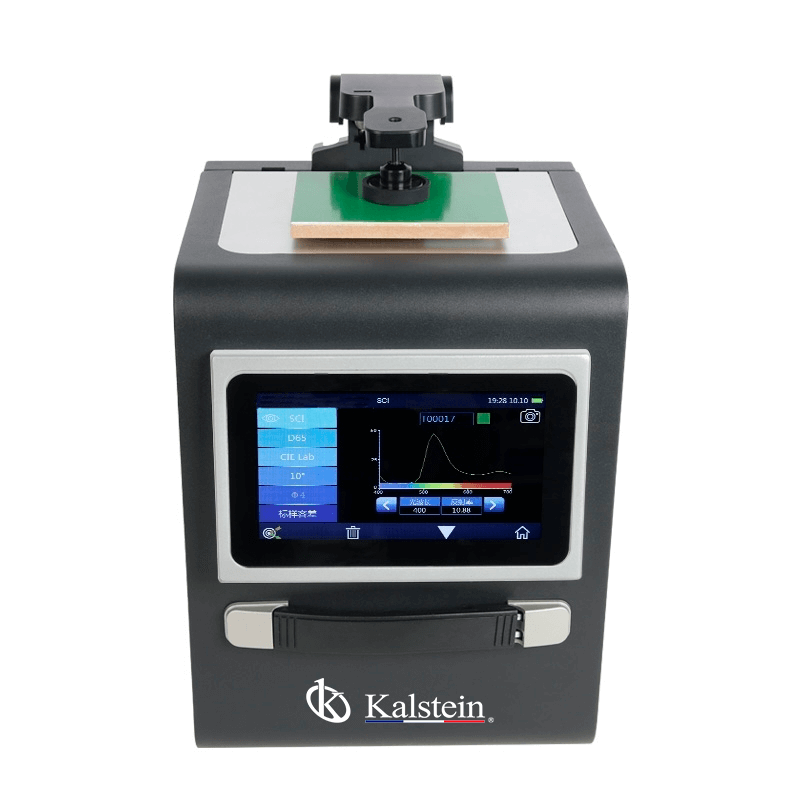
Understanding ISO/IEC Norms and Regulatory Compliance for Portable Benchtop Spectrophotometers
Portable benchtop spectrophotometers are essential tools in modern laboratories, enabling precise measurements in various applications. However, adhering to ISO/IEC norms and regulatory compliance is crucial for laboratories to ensure quality and reliability. This article delves into how different models meet ISO/IEC standards, the implications for laboratory operations, and practical strategies for maintaining compliance.
ISO/IEC Norms and Their Importance in Laboratory Settings
ISO/IEC norms provide a framework for ensuring quality and consistency in laboratory practices. These standards encompass various aspects of laboratory operations, from equipment calibration to data integrity. For portable benchtop spectrophotometers, compliance with standards such as ISO 17025 and ISO 15189 is vital to ensure accurate measurements and reliable results.
Key ISO/IEC Standards Relevant to Spectrophotometers
Several ISO and IEC standards are particularly relevant to the operation and calibration of portable benchtop spectrophotometers:
- ISO 17025: This standard specifies the requirements for testing and calibration laboratories, emphasizing the importance of technical competence and the validity of results.
- ISO 15189: This standard focuses on medical laboratories, detailing the specific requirements for quality and competence.
- IEC 61010: This standard addresses the safety requirements for electrical equipment used in measurement, control, and laboratory applications.
How Portable Benchtop Spectrophotometers Meet ISO/IEC Requirements
Portable benchtop spectrophotometers like the YR05484, YR05485, YR05486, and YR05487 offer features that align with ISO/IEC standards. For instance, these models are designed with precise calibration protocols and include built-in features to maintain traceability during measurements.
Model YR05484
The Portable Desktop Spectrophotometer YR05484 utilizes a 45/0 optical geometry, ensuring compliance with ISO standards, including CIE No.15 and ISO 7724-1. Its advanced CMOS sensor provides high measurement speed, making it suitable for quality control processes in various industries.
Model YR05485
The YR05485 operates with D/8 geometry and includes features for both specular component included and excluded measurements. This versatility allows it to comply with multiple standards, ensuring accurate results across different applications.
Model YR05486
Designed with an optical geometry of D/8, the YR05486 also incorporates advanced sensors for improved measurement consistency. It supports compliance with ISO standards, making it ideal for laboratories requiring stringent quality control.
Model YR05487
The YR05487 features customizable apertures for enhanced adaptability in various measurement scenarios. Its design meets several ISO and IEC standards, ensuring laboratories can maintain high compliance levels while achieving accurate results.
Comparison of Available Models
| Model | ISO/IEC Clauses Covered | Traceability Features | Best For |
|---|---|---|---|
| YR05484 | CIE No.15, ISO 7724-1 | Built-in calibration protocols | Quality control in textiles and paints |
| YR05485 | ISO 17025, ASTM E1164 | Real-time data tracking | Plastic and ceramic industries |
| YR05486 | ISO 15189, GB/T 18833 | Periodic calibration reminders | Laboratory research and testing |
| YR05487 | IEC 61010, ISO 17025 | Integrated traceability software | Color measurement in printing |
Common Mistakes and How to Avoid Them
Adhering to ISO/IEC norms is crucial, yet common mistakes can undermine compliance efforts. Here are a few pitfalls to avoid:
- Neglecting Calibration: Regular calibration is essential to maintain compliance and ensure accuracy. Schedule frequent calibrations for models like YR05484 and YR05487 to adhere to ISO standards.
- Inadequate Documentation: Proper documentation is a cornerstone of compliance. Maintain detailed records of all calibrations, maintenance, and results.
- Ignoring Updates to Standards: ISO/IEC standards are periodically updated. Regularly review and adjust laboratory practices to stay compliant with the latest versions.
Frequently Asked Questions
What ISO/IEC standards should my portable benchtop spectrophotometer comply with?
ISO 17025 and ISO 15189 are essential standards for portable benchtop spectrophotometers, ensuring quality and reliability in lab results. Models like YR05485 are particularly structured to meet these requirements.
How can I ensure my spectrophotometer meets ISO compliance?
Regular calibration and adherence to documented protocols are key. Models like YR05484 have built-in calibration features that help maintain compliance with ISO standards, making them suitable for consistent lab operations.
What are the benefits of using compliant portable benchtop spectrophotometers?
Compliant spectrophotometers, such as the YR05486, ensure accuracy, reliability, and regulatory adherence in laboratory measurements, which are crucial for maintaining quality control and obtaining valid results.
Where can I find detailed specifications for ISO-compliant spectrophotometers?
Specifications for each model, including YR05487, can often be found in technical data sheets or compliance documentation provided by manufacturers, highlighting how they meet ISO/IEC standards.
What is the cost range for ISO-compliant portable benchtop spectrophotometers?
The cost of models like YR05485 typically ranges from $4,018 to $4,950, depending on features and compliance capabilities, thus reflecting their investment in quality and reliability.
How often should I calibrate my portable spectrophotometer?
Calibration frequency can vary, but it is generally recommended to calibrate portable spectrophotometers like YR05484 at least once every six months to maintain compliance with ISO standards.
How do traceability features enhance compliance in spectrophotometers?
Traceability features in models such as YR05486 ensure that all measurements and calibrations can be traced back to national or international standards, thereby enhancing compliance with regulations.
What is the role of documentation in maintaining ISO compliance?
Documentation is critical for proving compliance during audits. Maintaining thorough records of calibrations and results for models like YR05487 is essential to meet ISO and IEC requirements.
If you are looking for a fusion of innovation and quality, you have come to the right place. At Kalstein, we offer you the luxury of exploring our exclusive catalog of laboratory equipment. We manufacture every device to the highest standards of excellence. Our intuitive and seamless online purchasing channels are designed for your convenience, securing the most competitive prices. Hesitate no longer — we bring science to life, it is time to become part of our community.