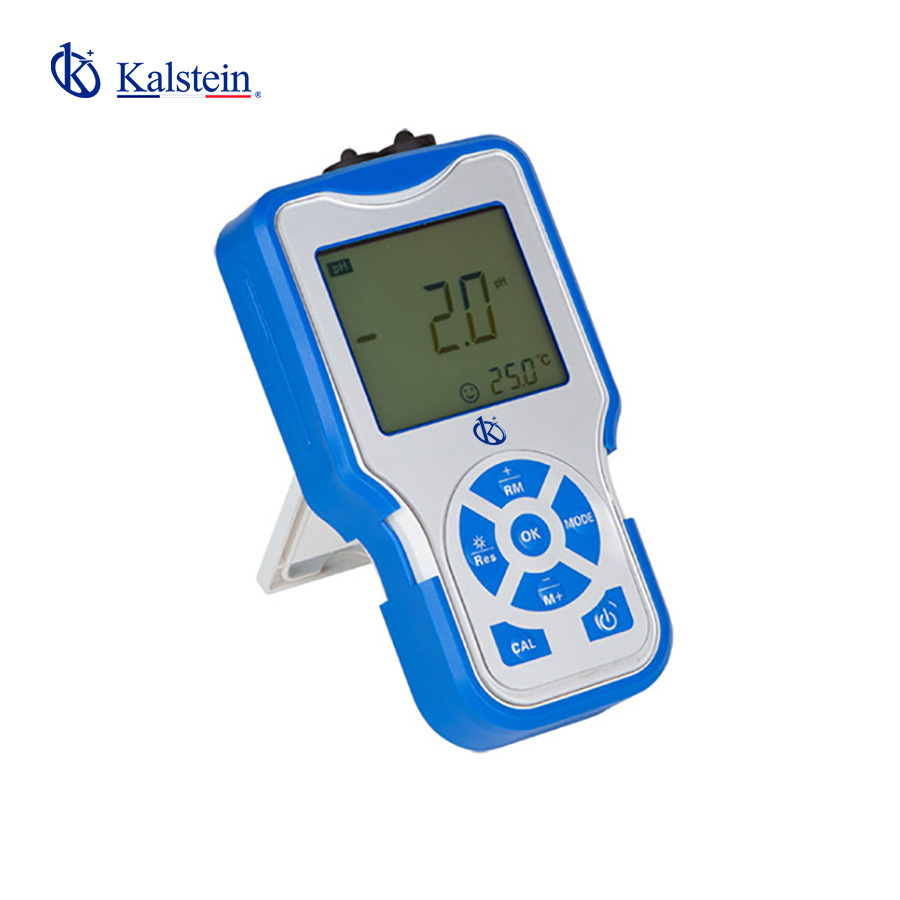
ISO/IEC Compliance in Laboratory Settings: A Guide for Portable Ion Meters
In the world of laboratory analysis, compliance with ISO/IEC standards is crucial for ensuring accuracy, reliability, and quality of results. Portable ion meters, including models like YR01816 and YR01817-1, play a significant role in various applications, from environmental monitoring to industrial processes. Understanding how these instruments align with ISO/IEC regulatory requirements can help laboratories maintain compliance and improve operational efficiency.
Understanding ISO/IEC Standards Relevant to Portable Ion Meters
ISO/IEC standards provide a framework for quality management and assurance in laboratories. For portable ion meters, standards such as ISO 17025 and IEC 61010 are particularly relevant. ISO 17025 specifies general requirements for the competence of testing and calibration laboratories. Compliance with this standard ensures that laboratories produce valid and reliable results.
IEC 61010 covers safety requirements for electrical equipment used in measurement, control, and laboratory use. This standard is essential for the safe operation of portable ion meters, ensuring that they can function effectively in various environments without posing risks to operators.
ISO 17025: Key Clauses for Compliance
ISO 17025 outlines several key areas that laboratories must address to maintain compliance. These include:
- Management System: Establishing a management system that supports laboratory operations and compliance.
- Technical Requirements: Ensuring that personnel are competent and that equipment is calibrated and maintained properly.
- Records and Documentation: Keeping detailed records of tests, calibrations, and results for traceability.
For instance, the YR01816 model, with its advanced calibration capabilities, can assist laboratories in meeting these requirements by ensuring accurate measurements and documentation of ion concentration levels.
Portable Ion Meters: Meeting IEC 61010 Safety Standards
IEC 61010 emphasizes risk management in laboratory settings. Portable ion meters must adhere to specific safety standards to protect users from electrical hazards. Features such as appropriate insulation, protection against overvoltage, and user-friendly interfaces are vital for compliance.
Models like YR01817-1 are designed with safety features that meet IEC 61010 standards, providing users with the confidence needed to operate these instruments in diverse environments.
Comparison of Available Models
| Model | ISO/IEC Clauses Covered | Traceability Features | Best For |
|---|---|---|---|
| YR01816 | ISO 17025 | 2 to 5 points calibration | Laboratory testing |
| YR01817-1 | IEC 61010 | Automatic electrode diagnosis | Environmental monitoring |
| YR01817-10 | ISO 17025 | Selectable ion concentration units | Field applications |
| YR01817-11 | IEC 61010 | Backlit LCD display | Outdoor usage |
| YR01817-12 | ISO 17025 | Calibration of up to 8 concentrations | Water quality testing |
| YR01817-13 | IEC 61010 | Temperature compensation | Research labs |
Documentation Requirements for Compliance
Proper documentation is crucial for ISO/IEC compliance. Portable ion meters must be accompanied by detailed records of calibration, maintenance, and operational procedures. This documentation ensures traceability and accountability, which are fundamental to ISO 17025 requirements.
To maintain compliance, laboratories should develop and regularly update standard operating procedures (SOPs) for each model used. For example, the YR01817-1 requires documentation for its calibration points and any adjustments made during usage to guarantee that all results are traceable and reliable.
Common Mistakes and How to Avoid Them
Many laboratories face challenges in achieving ISO/IEC compliance with portable ion meters. Common mistakes include:
- Neglecting Calibration: Failing to regularly calibrate instruments can result in inaccurate measurements. Establish a routine calibration schedule based on the usage frequency of models like YR01816.
- Inadequate Documentation: Poor record-keeping can jeopardize compliance. Implement a systematic approach to maintain documentation for all tests performed with portable ion meters.
- Ignoring Updates to Standards: Regulations can change, and staying updated with ISO/IEC revisions is crucial. Ensure that your laboratory reviews its compliance strategy annually.
Best Practices for Maintaining Compliance
To ensure ongoing compliance with ISO/IEC standards, laboratories should adopt the following best practices:
- Continuous Training: Provide regular training for personnel on the importance of compliance and the correct use of portable ion meters.
- Regular Audits: Perform internal audits to assess compliance with ISO/IEC standards and identify potential areas for improvement.
- Invest in High-Quality Equipment: Choose portable ion meters that comply with relevant standards, like the YR01817-1, which can support low to high concentration calibrations.
Frequently Asked Questions
How do portable ion meters help achieve ISO 17025 compliance?
Portable ion meters like the YR01816 facilitate ISO 17025 compliance by providing accurate and reliable measurements. Their calibration features ensure that tests adhere to stringent quality requirements, thereby supporting laboratories in maintaining their accreditation.
What are the safety requirements for portable ion meters under IEC 61010?
Portable ion meters must meet IEC 61010 safety requirements, including electrical insulation and protection against overvoltage. Models such as YR01817-1 are designed with these safety features to ensure safe operation in laboratory environments.
Which calibration features are essential for portable ion meters to meet ISO standards?
Essential calibration features include multiple calibration points and selectable ion concentration units. The YR01816 offers calibration from 2 to 5 points, aligning with ISO requirements for traceability and accuracy.
Why is documentation important for ISO compliance in portable ion meters?
Documentation ensures traceability and accountability for measurements taken with portable ion meters. Maintaining records of calibrations and operational protocols is vital for compliance with ISO 17025 and IEC 61010 standards.
How often should portable ion meters be calibrated for compliance?
Calibration frequency depends on usage and manufacturer recommendations. For example, models like YR01817-1 suggest calibration checks before daily use to ensure compliance with ISO standards.
What challenges do laboratories face in maintaining compliance with portable ion meters?
Common challenges include inadequate calibration procedures, poor documentation practices, and a lack of awareness of updated standards. Addressing these issues is crucial for laboratories to maintain compliance effectively.
How can training improve compliance for portable ion meter usage?
Regular training educates staff about the importance of compliance, proper equipment use, and documentation practices. This training ensures that personnel effectively utilize portable ion meters like the YR01816, thereby supporting compliance with established standards.
What features should laboratories look for when selecting a portable ion meter?
Laboratories should prioritize models with multiple calibration points, easy-to-read displays, and robust safety features. The YR01817-1, for instance, offers an automatic electrode diagnosis feature that enhances compliance and usability.
If you are looking for a fusion of innovation and quality, you have come to the right place. At Kalstein, we offer you the luxury of exploring our exclusive catalog of laboratory equipment. We manufacture every device to the highest standards of excellence. Our intuitive and seamless online purchasing channels are designed for your convenience, securing the most competitive prices. Hesitate no longer — we bring science to life, it is time to become part of our community.