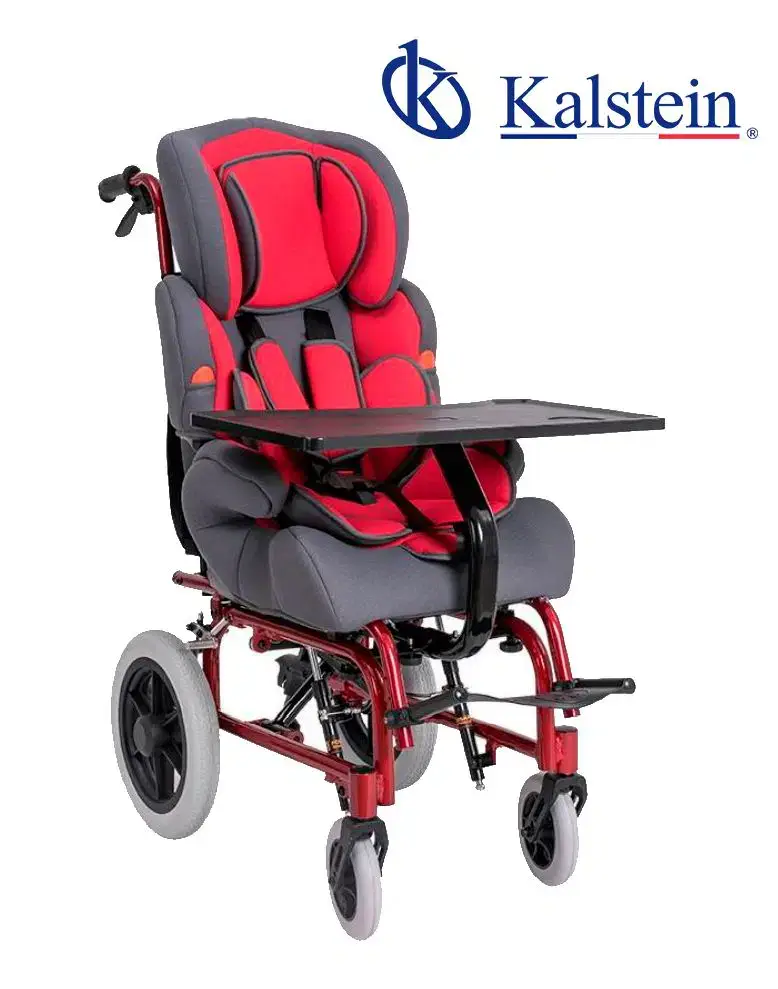
How to Ensure ISO/IEC Compliance in Children's Wheelchairs for Laboratory Use
Ensuring ISO/IEC compliance in children's wheelchairs is critical for laboratory professionals who aim to provide safe and effective mobility solutions. The focus on regulatory standards helps to ensure that these devices are not only functional but also safe for children with special needs. This article will delve into the specific ISO/IEC standards relevant to children's wheelchairs, highlight the importance of compliance, and compare various models available in the market.
Understanding ISO/IEC Standards in Children's Wheelchairs
The ISO (International Organization for Standardization) and IEC (International Electrotechnical Commission) set forth standards that manufacturers must adhere to ensure safety, effectiveness, and quality in various products, including children's wheelchairs. Understanding these standards is crucial for laboratories that utilize these devices in assessments or clinical settings.
Key standards include:
- ISO 13485: This standard focuses on quality management systems for medical devices, ensuring that the design and manufacture of wheelchairs meet regulatory requirements.
- ISO 7176: This series addresses the requirements and test methods for the safety and performance of wheelchairs, including stability, braking, and general usability.
- IEC 60601: Concerning medical electrical equipment, ensuring compliance in electrically powered wheelchairs used in medical settings.
Comparison of Available Models
| Model | ISO/IEC Clauses Covered | Traceability Features | Best for |
|---|---|---|---|
| YR05459 | ISO 13485, ISO 7176 | Adjustable angles for user comfort and safety | General mobility needs |
| YR05460 | ISO 13485, ISO 7176 | Easy transport with adjustable seating | Daily use with additional features |
| YR05457 | ISO 13485, IEC 60601 | Comprehensive safety features | Higher safety requirements |
| YR05458 | ISO 13485, IEC 60601 | Robust and adaptable construction | Active children requiring robust support |
| YR06611 | ISO 13485, ISO 7176 | Adjustable settings for different needs | Children with cerebral palsy |
Common Mistakes and How to Avoid Them
Laboratories must be mindful of several common mistakes that can lead to non-compliance with ISO/IEC standards when utilizing children's wheelchairs. Here are some pitfalls and tips to avoid them:
- Neglecting Documentation: Ensure all necessary documentation, such as user manuals and compliance certificates, is available and up-to-date for each model.
- Improper Training: Staff should receive comprehensive training on the specific requirements of using and maintaining each wheelchair model to ensure compliance.
- Ignoring Maintenance: Regular maintenance checks should be conducted to ensure all safety features are functioning correctly, adhering to ISO 7176 standards.
Specific ISO/IEC Clauses and Their Implications
Each standard has specific clauses that apply to children's wheelchairs, which laboratories must adhere to:
- ISO 13485 Clause 7: This clause highlights the need for consistent monitoring of the production process to ensure compliance.
- ISO 7176.1: Discusses the general requirements for wheelchairs, including safety and performance metrics.
- IEC 60601.1: Ensures that electrical wheelchairs are designed specifically for safety and efficacy in clinical environments.
Quality Assurance in Children's Wheelchairs
Quality assurance (QA) is essential in ensuring that children's wheelchairs meet ISO/IEC standards. This includes regular assessments and adherence to QA protocols that verify each model's compliance with relevant standards, enhancing both safety and functionality. Implementing a QA program can help identify deficiencies early and reduce the risk of using non-compliant devices.
Choosing the Right Model
When selecting a wheelchair for use in laboratory settings, consider the following factors:
- User Needs: Understand the specific mobility needs of the children who will use the wheelchair.
- Compliance Factors: Ensure the model adheres to relevant ISO/IEC standards pertinent to the laboratory's requirements.
- Cost versus Benefit: Analyze the costs involved against the long-term benefits of compliance, safety, and user satisfaction.
Frequently Asked Questions
What are the key ISO standards for children's wheelchairs compliance?
The key ISO standards for children's wheelchairs compliance include ISO 13485 for quality management systems and ISO 7176 for safety and performance metrics. Models like YR05457 adhere to these standards, ensuring safety and efficacy in laboratory settings.
How can I ensure the compliance of children's wheelchairs in my laboratory?
To ensure compliance, regularly verify that the models used, such as YR05460, meet ISO/IEC standards, maintain updated documentation, and conduct training sessions for staff on compliance practices.
What maintenance practices support ISO compliance for children's wheelchairs?
Implementing regular maintenance checks for features like brakes and adjustable seating supports ISO compliance for children's wheelchairs such as YR05458, ensuring that all safety mechanisms are operational.
Which children's wheelchair model is best for children with special needs?
The YR06611 model is specifically designed for children with cerebral palsy and meets required ISO standards, making it an excellent choice for accommodating special mobility needs in a laboratory setting.
What documentation is necessary for children's wheelchairs in laboratories?
Essential documentation for children's wheelchairs includes compliance certificates, user manuals, and maintenance records. Models like YR05459 should have this documentation readily available to ensure regulatory adherence.
How do I assess the safety of children's wheelchairs according to ISO standards?
Assessing safety involves reviewing compliance with ISO 7176 and ensuring all safety features are functional. Each model, such as YR05457, should undergo regular safety audits to maintain compliance.
What features should I look for in a compliant children's wheelchair?
Look for features like adjustable seating, safety belts, and robust construction in compliant children's wheelchairs, such as the YR05460 model, which ensure safety and comfort for users.
How often should I perform checks on children's wheelchairs for compliance?
Compliance checks on children's wheelchairs should be performed at least quarterly or whenever a model like YR05458 is heavily used to ensure all features are functioning according to ISO/IEC standards.
If you are looking for a fusion of innovation and quality, you have come to the right place. At Kalstein, we offer you the luxury of exploring our exclusive catalog of laboratory equipment. We manufacture every device to the highest standards of excellence. Our intuitive and seamless online purchasing channels are designed for your convenience, securing the most competitive prices. Hesitate no longer — we bring science to life, it is time to become part of our community.