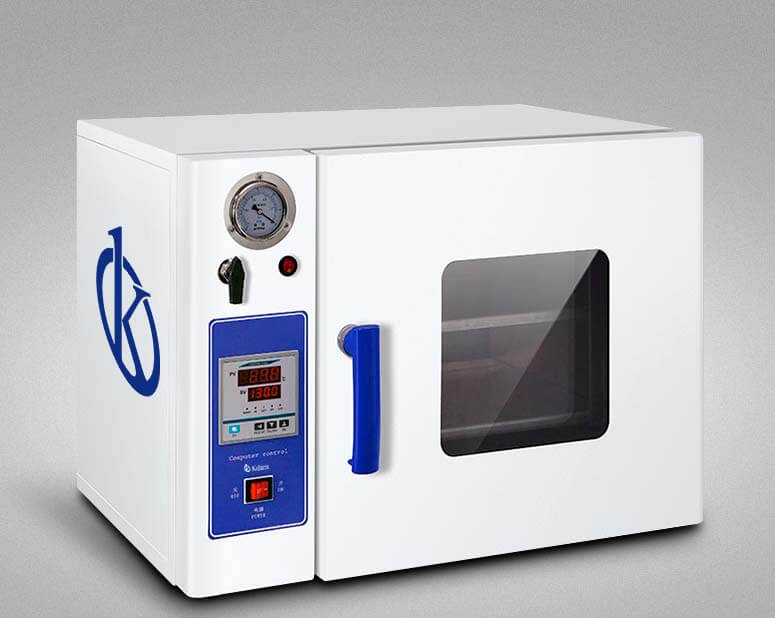
Investment Return and Cost-Benefit Analysis for Vacuum Ovens in Laboratories
In modern laboratories, vacuum ovens play a pivotal role in ensuring that sensitive materials are dried and treated without compromising their integrity. Understanding the investment return and conducting a thorough cost-benefit analysis is essential for laboratory managers and procurement professionals. This article will deep dive into various models of vacuum ovens, focusing on their operational costs, benefits, and overall impact on laboratory efficiency.
Understanding the Role of Vacuum Ovens in Laboratories
Vacuum ovens are crucial for applications that require the drying of heat-sensitive materials. The controlled environment prevents oxidation and degradation during the drying process. Understanding the return on investment (ROI) from purchasing vacuum ovens is vital in determining the most suitable model for the laboratory's needs.
Detailed Cost-Benefit Analysis for Laboratory Vacuum Ovens
When evaluating vacuum ovens, it is essential to consider both initial costs and ongoing operational expenses, including energy consumption, maintenance, and consumables. Implementing a cost-benefit analysis provides insights into whether the investment can lead to significant savings or improved laboratory efficiency.
Key Metrics for Cost-Benefit Analysis
| Metric | Description |
|---|---|
| CAPEX | Initial capital expenditure for the vacuum oven |
| OPEX | Ongoing operational expenses |
| Payback Period | Time taken to recoup the initial investment |
| Cost per Test | Average cost incurred for each test run |
Comparison of Available Models
| Model | CAPEX (USD) | Cost per Test (USD) | Payback (Months) | Recommended Scenario |
|---|---|---|---|---|
| YR05260-A | 330.00 | 1.12 | 5 | Small labs with limited budgets |
| YR05261-A | 460.00 | 1.15 | 6 | Medium labs with varied applications |
| YR05262-SS | 400.00 | 1.10 | 5 | Research labs needing stainless steel |
| YR05263-SS | 590.00 | 1.20 | 7 | High-volume testing facilities |
| YR05264-A | 690.00 | 1.25 | 8 | Labs focusing on complex materials |
| YR05265-SS | 845.00 | 1.30 | 9 | Large research institutions |
Common Mistakes and How to Avoid Them
Laboratory professionals often make mistakes in selecting vacuum ovens based on price rather than suitability for specific applications. It’s essential to align the oven’s capabilities with the anticipated workload and material types. Additionally, failing to account for total cost of ownership can lead to unexpected expenses in maintenance and operation.
Frequently Asked Questions
How can vacuum ovens enhance ROI for laboratory applications?
Investing in models such as the YR05262-SS can enhance ROI by providing efficient drying processes that minimize material degradation. This efficiency translates to faster turnaround times and reduced costs per test, ultimately leading to better overall laboratory performance.
What is the average payback period for vacuum ovens in laboratories?
The average payback period for vacuum ovens like the YR05260-A can be as short as five months, depending on the laboratory's operational scale and frequency of use. This rapid return on investment makes these ovens attractive for both small and medium laboratories.
Which vacuum oven model is best for cost-sensitive laboratories?
For cost-sensitive laboratories, the YR05260-A offers a low initial investment of $330.00 while maintaining excellent performance for drying heat-sensitive materials, making it ideal for budget-conscious settings.
How does model choice affect the total cost of ownership in vacuum ovens?
The choice of vacuum oven model, such as the YR05261-A, impacts total cost of ownership through varying energy efficiencies and maintenance requirements. Selecting an oven that aligns with laboratory needs can help control ongoing operational costs.
What factors should be considered when calculating the cost per test for vacuum ovens?
Factors such as initial CAPEX, operational expenses, and expected usage frequency play critical roles when calculating cost per test for vacuum ovens like the YR05262-SS, aiding in budget planning and cost management.
How does energy consumption of vacuum ovens affect overall laboratory expenses?
Energy consumption directly affects the operational expenses of vacuum ovens. For instance, models like the YR05264-A, while designed for efficiency, still require careful energy use assessments to optimize running costs for the laboratory.
What role do vacuum ovens play in laboratory efficiency improvements?
Vacuum ovens, such as the YR05263-SS, significantly improve laboratory efficiency by providing rapid drying capabilities, thus speeding up workflows and reducing bottlenecks in testing processes, particularly in research environments.
What considerations should laboratories have regarding model durability and maintenance?
Laboratories should consider durability and maintenance ease when selecting a vacuum oven model like the YR05265-SS. Regular maintenance schedules and robust construction can minimize downtime and enhance long-term usability.
If you are looking for a fusion of innovation and quality, you have come to the right place. At Kalstein, we offer you the luxury of exploring our exclusive catalog of laboratory equipment. We manufacture every device to the highest standards of excellence. Our intuitive and seamless online purchasing channels are designed for your convenience, securing the most competitive prices. Hesitate no longer — we bring science to life, it is time to become part of our community.