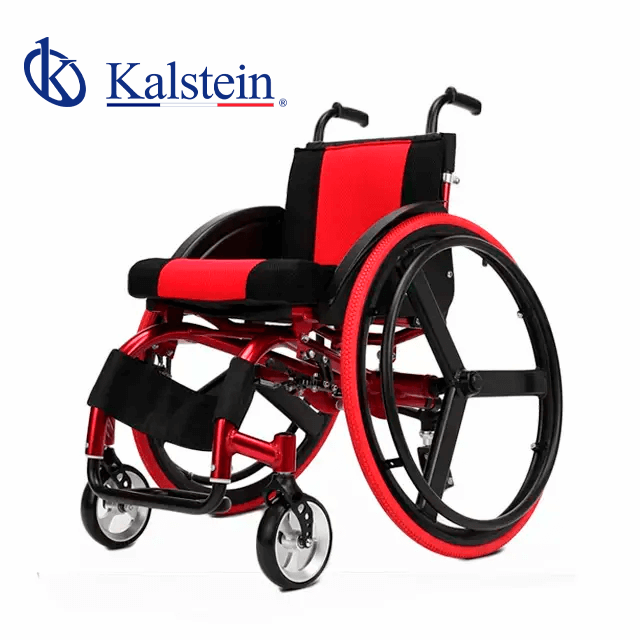
Investment Return and Cost-Benefit Analysis for Sport Wheelchairs
In the domain of healthcare and rehabilitation, sport wheelchairs play a vital role in enhancing the quality of life for many individuals. Evaluating their investment return and conducting a thorough cost-benefit analysis are crucial for laboratories and organizations looking to optimize their resources. This article delves into the financial implications of acquiring various sport wheelchairs, along with detailed comparisons and performance metrics.
Understanding the Importance of Cost-Benefit Analysis in Sport Wheelchairs
Cost-benefit analysis (CBA) is critical for evaluating the economic feasibility of purchasing sport wheelchairs, especially in healthcare settings. By assessing both direct and indirect costs, stakeholders can make informed decisions that align with their budgetary constraints while also considering the benefits these devices provide in terms of improved mobility and physical activity for users.
Sport wheelchairs not only aid in physical rehabilitation but also enhance social inclusion through active participation in sports. The need to quantify these benefits against costs requires a structured approach to identify and evaluate the associated economic factors.
Key Metrics in Investment Return for Sport Wheelchairs
When examining investment returns for sport wheelchairs, several key metrics should be considered, such as:
- Initial Cost (CAPEX): The initial purchase price of the wheelchair.
- Operational Costs (OPEX): Maintenance, repairs, and consumables associated with the wheelchair.
- Usage Frequency: How often the wheelchair will be used can significantly affect ROI.
- Payback Period: The time it takes for the investment to be recouped through savings or additional benefits.
These metrics will help determine the overall financial justification for acquiring each wheelchair model.
Comparison of Available Sport Wheelchair Models
| Model Code | Initial Cost (USD) | Weight (kg) | Recommended Usage | Operational Features |
|---|---|---|---|---|
| YR05461 | 413.00 | 14.5 | Recreational Use | Lightweight magnesium alloy frame, adjustable foot pedal |
| YR05462 | 445.00 | 11.6 | Competitive Sports | Quick release rear wheel, foldable design |
| YR05463 | 615.00 | 12.0 | Advanced Training | High-density aluminum, energy-saving push ring |
Common Mistakes and How to Avoid Them
When considering the purchase of sport wheelchairs, it's common for organizations to overlook essential factors that affect the investment's success. Here are some pitfalls to avoid:
- Not Assessing User Needs: Failing to understand the specific needs of wheelchair users can lead to purchasing models that do not provide the intended benefits.
- Ignoring Total Cost of Ownership (TCO): Organizations often base decisions solely on initial costs, neglecting ongoing maintenance and operational costs.
- Underestimating Usage Frequency: A model may be too costly if its expected usage is low; evaluating usage frequency is crucial for ROI.
Financial Breakdown: CAPEX vs OPEX for Sport Wheelchairs
Understanding the financial implications of sport wheelchair acquisition requires distinguishing between capital expenses (CAPEX) and operational expenses (OPEX). The following table illustrates a hypothetical breakdown for the three models:
| Model Code | CAPEX (USD) | Annual OPEX (USD) | Total 5-Year Cost (USD) |
|---|---|---|---|
| YR05461 | 413.00 | 50.00 | 663.00 |
| YR05462 | 445.00 | 45.00 | 680.00 |
| YR05463 | 615.00 | 60.00 | 915.00 |
Evaluating Performance: User Experience and Benefits
The performance of sport wheelchairs varies significantly based on design and intended use. The user experience is pivotal in determining which model provides the best value. For example, the YR05461 model, with its lightweight magnesium frame, is ideal for users requiring a balance of mobility and comfort. In contrast, the YR05463 is engineered for serious athletes, offering premium materials that enhance durability and performance.
Furthermore, the social and psychological benefits of enabling users to engage in sports should not be overlooked. These advantages often translate into improved mental health and increased community involvement.
Long-Term Considerations: Maintaining and Upgrading Equipment
Maintenance is a significant factor affecting the longevity and operational costs of sport wheelchairs. Regular servicing ensures that wheelchairs remain in optimal condition, enhancing user safety and performance. Therefore, organizations should also plan for future upgrades and replacements as technology advances and user needs evolve.
Investing in models like YR05462 can provide a competitive edge due to their easy foldability, allowing for greater mobility and transport convenience.
Frequently Asked Questions
What is the average payback period for a sport wheelchair investment?
The average payback period for investment in a sport wheelchair can vary, but models like the YR05461, priced at 413.00 USD, can show payback in approximately 2-3 years based on usage frequency and operational costs.
How can I assess the total cost of ownership for different sport wheelchairs?
To assess the total cost of ownership, include initial costs and predict annual operational expenses. For example, the YR05462 model, costing 445.00 USD, has annual OPEX of around 45.00 USD, leading to a more comprehensive financial overview.
Which sport wheelchair model offers the best return on investment?
Evaluating return on investment, the YR05461 model provides an excellent balance of cost and performance, making it a strong candidate for organizations focusing on recreational use and affordability.
How do sport wheelchairs contribute to user mobility and independence?
Sport wheelchairs like the YR05463 enhance user mobility and independence by offering robust design features that allow for active participation in sports, thus supporting better physical and mental health outcomes.
What are the maintenance costs associated with sport wheelchairs?
Maintenance costs can vary; however, on average, expect to spend around 50.00 USD annually for models like the YR05461. Regular checks and servicing are essential to ensure longevity.
Which features should I prioritize when selecting a sport wheelchair?
Prioritize features such as weight, foldability, and material durability. Models like the YR05462 emphasize lightweight design and quick-release features, appealing for competitive athletes.
How often should sport wheelchairs be serviced for optimal performance?
Sport wheelchairs should be serviced at least once a year. Models like YR05463, designed for intensive use, may require more frequent checks to maintain performance standards.
What are the benefits of investing in advanced sport wheelchairs for competitive athletes?
Investing in advanced models like YR05463 provides benefits such as enhanced maneuverability and speed, essential for competitive athletes. These factors contribute to improved performance and training outcomes.
If you are looking for a fusion of innovation and quality, you have come to the right place. At Kalstein, we offer you the luxury of exploring our exclusive catalog of laboratory equipment. We manufacture every device to the highest standards of excellence. Our intuitive and seamless online purchasing channels are designed for your convenience, securing the most competitive prices. Hesitate no longer — we bring science to life, it is time to become part of our community.