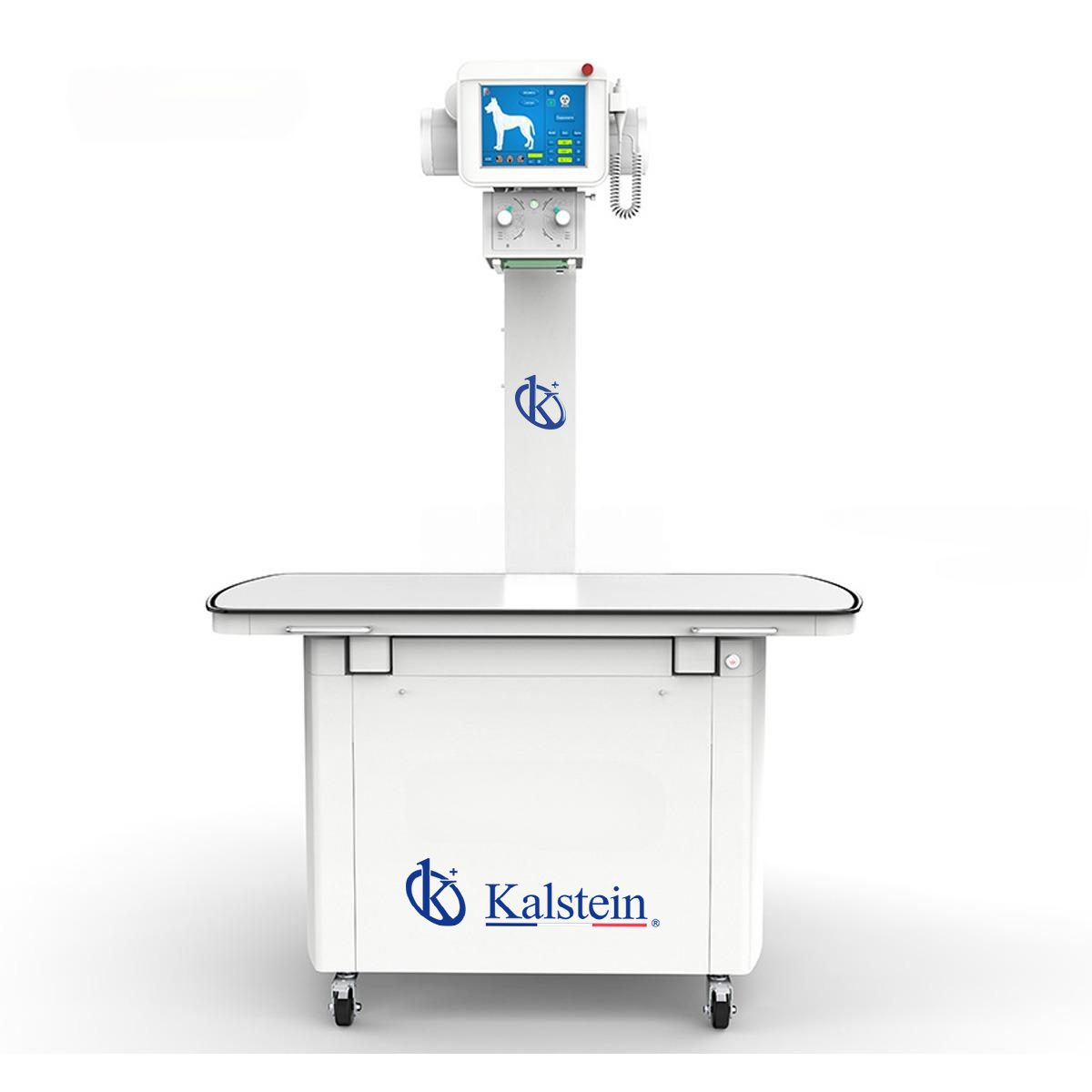
Interpreting Results and Reading Measurements with the YR06163 Digital Stationary Veterinary X-rays
The YR06163 Digital Stationary Veterinary X-rays is a sophisticated tool tailored for veterinary applications, providing high-quality imaging and precise measurements. Understanding how to interpret the results and read measurements effectively is crucial for veterinarians and technicians who rely on accurate diagnostic imaging to assess animal health.
Understanding the Functionality of YR06163
The YR06163 operates using advanced digital imaging technologies, allowing for detailed visualization of kV (kilovolt), mAs (milliampere-seconds), and exposure time. These parameters are essential for adjusting the radiation dose and ensuring optimal image quality. The equipment's user-friendly interface facilitates easy interaction and interpretation of data, enhancing operational efficiency.
Technical Specifications of the YR06163
| Specification | Detail |
|---|---|
| Model | YR06163 |
| Maximum Output Power | 20 kW |
| Range of Tube Current | 32~320 mA |
| Tube Voltage Range of Radiography | 40 kV~120 kV |
| Range of Exposure Time | 10 ms~5000 ms |
| mAs Range | 0.32 mAs~320 mAs |
| Input Voltage Range | AC 220V±22V |
| Communication Interface | RS-232 |
| Other Features | Automatic capacity lock, automatic fault diagnosis, self-protection |
| Max. Tube Voltage | 120 kV |
| Focus | Small focus: 1.0 mm, Large focus: 2.0 mm |
| Anode Input Power | Small focus: 20 kW, Large focus: 40 kW |
| Anode Speed | 2800 R/M |
| Target Angle | 17.5° |
| Anode Heat Content | 100 kJ (140 kHU) |
Interpreting Measurement Results
When working with the YR06163, it is vital to interpret results accurately. The digital display shows key metrics like kV, mAs, and exposure time, which must be understood in terms of their implications for image quality and diagnostic accuracy. For example, increasing the kV can enhance penetration, while mAs affects the overall density of the image. Understanding these variables is essential for achieving the desired outcome in diagnostic imaging.
Common Misinterpretations of X-ray Results
Misinterpretations can arise for several reasons, including improper calibration of the device, misunderstanding of measurement units, or inadequate knowledge of normal ranges. Familiarity with common pitfalls, such as confusing kV with mA, can significantly improve the quality of diagnoses. For instance, a higher mAs does not always equate to better image quality; it may just increase radiation exposure unnecessarily.
Practical Examples of Measurement Interpretation
Consider a scenario where a veterinarian uses the YR06163 to examine a dog with suspected fractures. By interpreting the kV settings and mAs values correctly, the veterinarian can obtain clear images while ensuring minimal radiation exposure. The correct balance not only aids in accurate diagnosis but also maintains the wellbeing of the animal, highlighting the importance of proper measurement interpretation.
Measurement Units and Normal Ranges
Understanding measurement units is crucial for effective use of the YR06163. The standard units include kV for voltage, mA for current, and mAs for exposure time. Normal ranges for these measurements vary based on the specific application and the species being examined. A comprehensive understanding of these units allows for more accurate diagnostics and effective communication among veterinary staff.
Frequently Asked Questions
What do the kV and mAs readings indicate in the YR06163?
The kV readings indicate the voltage applied to the X-ray tube, affecting the penetration ability of the X-rays. The mAs values represent the total amount of radiation delivered, influencing the image density. Both parameters must be adjusted based on the specific diagnostic needs to ensure optimal image quality.
How can I ensure accurate readings when using the YR06163?
To ensure accurate readings, it is essential to calibrate the device regularly, follow the manufacturer's guidelines, and perform routine maintenance. Additionally, understanding the implications of different settings on image quality will aid in achieving precise results.
What are common errors associated with interpreting X-ray results?
Common errors include misreading the kV and mAs values, failing to account for patient size and positioning, and not understanding the implications of exposure settings on image quality. Being aware of these pitfalls can help avoid misdiagnoses.
How often should the YR06163 be calibrated?
The YR06163 should be calibrated at least annually, or more frequently if used extensively. Regular calibration ensures that the measurements remain accurate and reliable, which is critical for diagnostic imaging.
Can I use the YR06163 for different veterinary species?
Yes, the YR06163 can be used for various veterinary species. However, adjustments to the kV and mAs settings may be necessary based on the specific requirements of each species to achieve optimal imaging results.
What maintenance practices should be followed for the YR06163?
Routine maintenance includes cleaning the equipment, checking for software updates, calibrating the device, and ensuring that all components are functioning correctly. Following a maintenance schedule helps prolong the lifespan and performance of the device.
If you are looking for a fusion of innovation and quality, you have come to the right place. At Kalstein, we offer you the luxury of exploring our exclusive catalog of laboratory equipment. We manufacture every device to the highest standards of excellence. Our intuitive and seamless online purchasing channels are designed for your convenience, securing the most competitive prices. Hesitate no longer — we bring science to life, it is time to become part of our community.