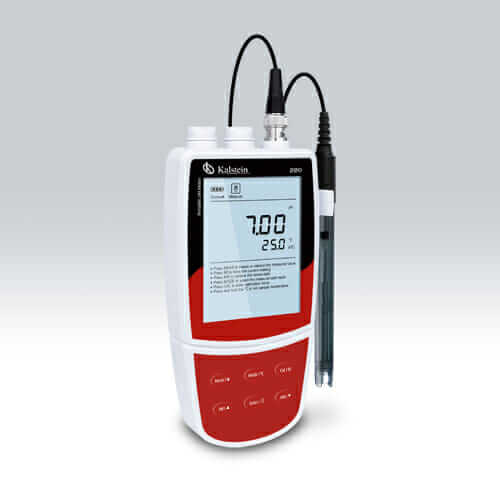
Integrating Table pH Meters with LIMS for Enhanced Data Flow
As laboratories evolve into more digitized environments, the integration of laboratory instruments with Laboratory Information Management Systems (LIMS) becomes crucial. This article explores how table pH meters can be integrated with LIMS to enhance data flow and streamline laboratory workflows. We will also compare various models to identify which best supports this integration, focusing on features like calibration, automatic temperature compensation, and data storage capabilities.
Understanding Table pH Meters and Their Role in Data Integration
Table pH meters are essential tools in laboratories for measuring the acidity or alkalinity of solutions. These devices are equipped with various features that enhance their usability, including automatic temperature compensation and multiple calibration points. The role of these meters in data integration is vital; they not only provide precise measurements but also facilitate the transfer of data into LIMS, thus improving efficiency and accuracy.
Key Features that Support LIMS Integration
When selecting a table pH meter for integration with LIMS, it is important to consider features that enhance data flow. Key features include:
- Automatic Calibration: This ensures consistent accuracy and reduces manual errors during data entry.
- Data Storage: The capacity to store large datasets allows for easier transfer to LIMS.
- Connectivity Options: Built-in USB or Bluetooth capabilities enable seamless data transfer.
- Software Compatibility: The ability to integrate with existing LIMS software is crucial for maximizing workflow efficiency.
Comparative Analysis of Available Table pH Meters
| Model | pH Range | Calibration Points | Data Storage | Price (USD) |
|---|---|---|---|---|
| YR0220A | -2.00~20.00 pH | 1 to 5 points | None specified | 155.00 |
| YR01822 | -2.00~20.00 pH | 1 to 3 points | 1000 sets | 215.00 |
| YR01825 | -2.00~20.00 pH | 1 to 3 points | 1000 sets | 335.00 |
| YR01823-2 | -2.00~20.00 pH | 1 to 5 points | None specified | 315.00 |
| YR01823 | -2.00~20.00 pH | 1 to 3 points | 1000 sets | 285.00 |
| YR01826 | -2.00~20.00 pH | 1 to 3 points | None specified | 199.00 |
How Integration with LIMS Enhances Data Accessibility
Integrating table pH meters with LIMS significantly enhances data accessibility. The seamless transfer of measurement data from the pH meter to LIMS allows laboratory personnel to access real-time data more efficiently. This integration minimizes the risks of data entry errors and provides a reliable source of information for regulatory compliance, quality control, and research purposes.
Challenges in Integration and How to Overcome Them
Despite the benefits, challenges may arise during the integration of table pH meters with LIMS. Common issues include compatibility problems and data transfer failures. To mitigate these, laboratories should:
- Conduct compatibility assessments before purchasing equipment.
- Utilize middleware solutions that facilitate data communication between devices and LIMS.
- Train staff on data management protocols to ensure smooth operations.
Common Mistakes and How to Avoid Them
One of the most common mistakes in integrating table pH meters with LIMS is underestimating the importance of data formats. It is essential to ensure that the data produced by pH meters is compatible with LIMS formats. Regularly updating both the pH meters and the LIMS software can also prevent compatibility issues. Additionally, overlooking the calibration schedule can lead to inaccurate measurements; thus, labs should maintain strict adherence to calibration routines.
Frequently Asked Questions
How does LIMS integration improve data accuracy in table pH meters?
LIMS integration improves data accuracy in table pH meters by minimizing manual data entry errors and enabling automatic data transfer. For instance, the YR0220A model features automatic calibration which ensures precise readings that are directly uploaded to LIMS, enhancing overall accuracy.
What are the main connectivity options for integrating table pH meters with LIMS?
Many table pH meters, like the YR01822, offer USB and Bluetooth connectivity options for seamless integration with LIMS. This allows for easy data transfer and enhanced workflow efficiency in laboratory environments.
Which pH meter model features the best data storage capabilities for LIMS integration?
The YR01822 model stands out with its ability to store 1000 datasets, making it particularly suitable for laboratories that require extensive data logging and integration with LIMS systems.
How does automatic calibration in table pH meters impact LIMS integration?
Automatic calibration enhances LIMS integration by ensuring that the data recorded by the pH meter is accurate and reliable. This is evident in the YR01825 model, which supports 1 to 3-point automatic calibration, ensuring consistent results transferred to LIMS.
What are the benefits of using touchscreen table pH meters with LIMS?
Touchscreen table pH meters, like the YR01823, provide user-friendly interfaces for data entry and management. This simplifies the operator's task in recording data and integrating it with LIMS, thus optimizing laboratory workflow.
How important is data compatibility between LIMS and table pH meters?
Data compatibility is crucial for effective LIMS integration. An incompatible data format may lead to data transfer failures. Therefore, choosing models like the YR01826, which support standard data output formats, can significantly enhance integration success.
What role does temperature compensation play in LIMS integration?
Automatic temperature compensation ensures that the pH meter readings are accurate regardless of temperature fluctuations, which is critical for data integrity in LIMS. The YR0220A model exemplifies this with its effective temperature compensation features.
Can I connect multiple table pH meters to a single LIMS system?
Yes, multiple table pH meters can be connected to a single LIMS system, provided they support the same connectivity protocols. This facilitates widespread data collection and enhances laboratory efficiency.
Request a quote to explore the best table pH meters that suit your laboratory's needs and optimize your LIMS integration.
If you are looking for a fusion of innovation and quality, you have come to the right place. At Kalstein, we offer you the luxury of exploring our exclusive catalog of laboratory equipment. We manufacture every device to the highest standards of excellence. Our intuitive and seamless online purchasing channels are designed for your convenience, securing the most competitive prices. Hesitate no longer — we bring science to life, it is time to become part of our community.