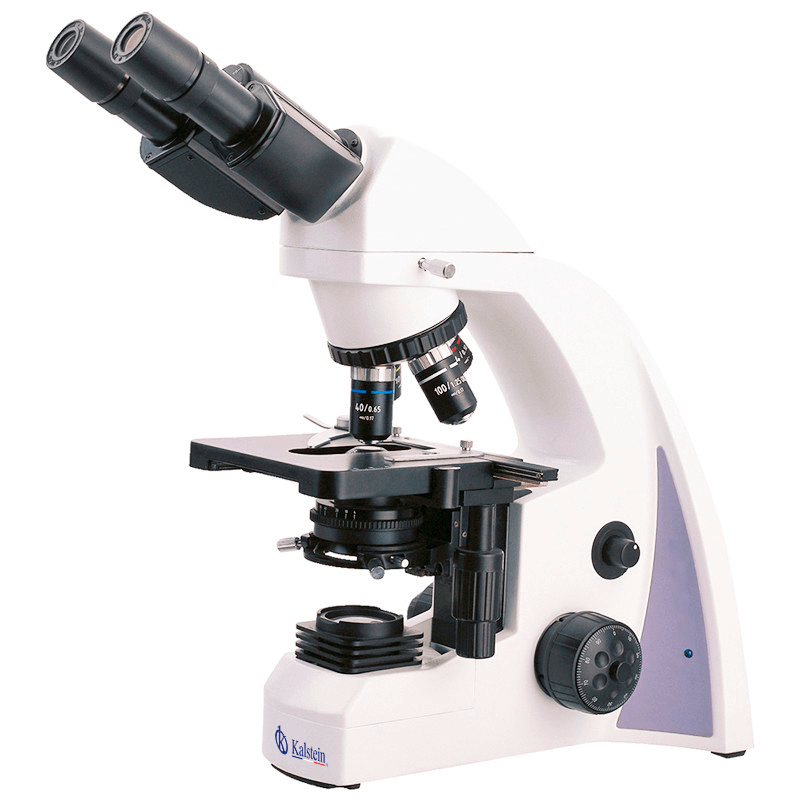
Integrating Laboratory Equipment with LIMS: Enhancing Data Workflow in Laboratories
Laboratories are increasingly reliant on Laboratory Information Management Systems (LIMS) to optimize data handling and improve workflow efficiency. This article explores how integrating laboratory equipment with LIMS can revolutionize data workflows, ensuring enhanced accuracy, traceability, and productivity across various laboratory settings.
Understanding LIMS and its Role in Laboratories
LIMS serve as a crucial tool in modern laboratories, facilitating the management of samples, associated data, and laboratory workflows. By automating routine tasks and providing a centralized platform for data management, LIMS help laboratories achieve higher accuracy and efficiency. The integration of various laboratory instruments with LIMS amplifies these benefits, enabling seamless data transfer and real-time monitoring of laboratory processes.
Benefits of LIMS Integration with Laboratory Equipment
Integrating laboratory devices with LIMS offers numerous advantages, including real-time data capture, improved traceability, compliance with regulatory standards, and enhanced workflow management. By eliminating manual data entry and reducing the risk of errors, LIMS integration streamlines laboratory operations and supports better decision-making based on accurate and up-to-date information.
Key Connectivity Protocols for LIMS Integration
Successful LIMS integration hinges on the use of established connectivity protocols. Common protocols include HL7, ASTM, and REST, which facilitate data exchange between laboratory equipment and LIMS. Understanding the compatibility of your laboratory devices with these protocols is vital to ensure efficient integration and data workflow optimization.
Exploring the Models for Integration
When considering LIMS integration, it is crucial to evaluate the laboratory equipment models that best suit your needs. Here, we will analyze several models based on their compatibility with LIMS, performance features, and suitability for various laboratory applications.
Comparison of Available Models
| Model | Connectivity | Supported Protocols | Integration Effort | Best For |
|---|---|---|---|---|
| YR0237-0-1 | Yes | HL7, ASTM | Moderate | Standard laboratory applications |
| YR0237-1 | Yes | ASTM, REST | Easy | Research laboratories |
| YR0237-1-1 | Yes | HL7, ASTM | Moderate | Clinical labs |
| YR03731-1 | No | N/A | N/A | Pipetting tasks |
| YR03731-2 | No | N/A | N/A | Pipetting tasks |
| YR03731-3 | No | N/A | N/A | Pipetting tasks |
Common Mistakes and How to Avoid Them
When integrating laboratory equipment with LIMS, common mistakes include inadequate assessment of equipment compatibility, overlooking staff training on new systems, and insufficient planning for data migration. To avoid these pitfalls, laboratories should conduct thorough evaluations of both existing equipment and LIMS capabilities, provide comprehensive training for staff, and develop a detailed integration plan that considers data quality and integrity.
Enhancing Data Workflow with Integrated Solutions
Optimizing data workflow in laboratories requires a strategic approach that incorporates LIMS integration. Implementing integrated solutions leads to improved data accuracy, better compliance with regulations, and increased productivity. For example, integrating the YR0237-1 model with LIMS can facilitate real-time reporting and automated data entry, greatly enhancing laboratory efficiency.
Future Trends in LIMS and Laboratory Equipment Integration
The future of laboratory equipment and LIMS integration is heading towards more robust and automated solutions. As technologies evolve, we can expect increased use of artificial intelligence and machine learning to enhance data analytics and predictive capabilities, further streamlining laboratory operations. Laboratories that adopt these trends will likely see significant improvements in productivity and operational efficiency.
Frequently Asked Questions
How can I ensure my laboratory equipment is compatible with LIMS integration?
To ensure compatibility, evaluate the connectivity features of your laboratory equipment, such as the YR0237-1 model, which supports ASTM and REST protocols. This compatibility is crucial for seamless data sharing and automated workflows within your laboratory environment.
What are the key benefits of integrating pipettes with a LIMS?
Integrating devices like the YR03731-1 pipette with LIMS enhances accuracy by automating data entry and tracking sample information. These integrations reduce human error, ensuring compliance and improving the overall efficiency of laboratory operations.
How much time can I save by using LIMS-integrated laboratory equipment?
Using LIMS-integrated equipment can save laboratories several hours each week by automating data entry and management tasks. For instance, the YR0237-1 model can significantly decrease labor-intensive processes, allowing staff to focus on higher-value tasks.
Which protocols should I consider for successful LIMS integration?
Common protocols include HL7, ASTM, and REST. For example, the YR0237-0-1 model utilizes ASTM for data transfer, ensuring an effective connection to your LIMS and facilitating a streamlined data workflow.
What challenges might arise during the integration process?
Challenges during LIMS integration can include equipment compatibility issues, data migration hurdles, and user training. Careful planning and selecting models like YR0237-1 that are designed for easy integration can help mitigate these potential issues.
How does LIMS integration improve compliance in laboratories?
LIMS integration enhances compliance by ensuring that all data collected, such as from the YR0237 model, is accurately recorded and easily traceable. This traceability is essential for adhering to regulatory standards and conducting audits efficiently.
What strategies can help optimize laboratory data workflows?
Utilizing LIMS-integrated equipment, like the YR0237-1, can optimize workflows by automating data entry, tracking samples, and facilitating real-time reporting, thus improving the overall efficiency and accuracy of laboratory operations.
If you are looking for a fusion of innovation and quality, you have come to the right place. At Kalstein, we offer you the luxury of exploring our exclusive catalog of laboratory equipment. We manufacture every device to the highest standards of excellence. Our intuitive and seamless online purchasing channels are designed for your convenience, securing the most competitive prices. Hesitate no longer — we bring science to life, it is time to become part of our community.