How to Integrate Tissue Embedding Systems with LIMS for Data Digitalization?
In the ever-evolving landscape of laboratory technology, the integration of Tissue Embedding Systems with Laboratory Information Management Systems (LIMS) is a critical step towards achieving seamless data digitalization. As laboratories enhance their workflows, understanding how various models of tissue embedding systems can be integrated with LIMS is essential for improving efficiency, accuracy, and data management.
Understanding the Role of Tissue Embedding Systems in Data Digitalization
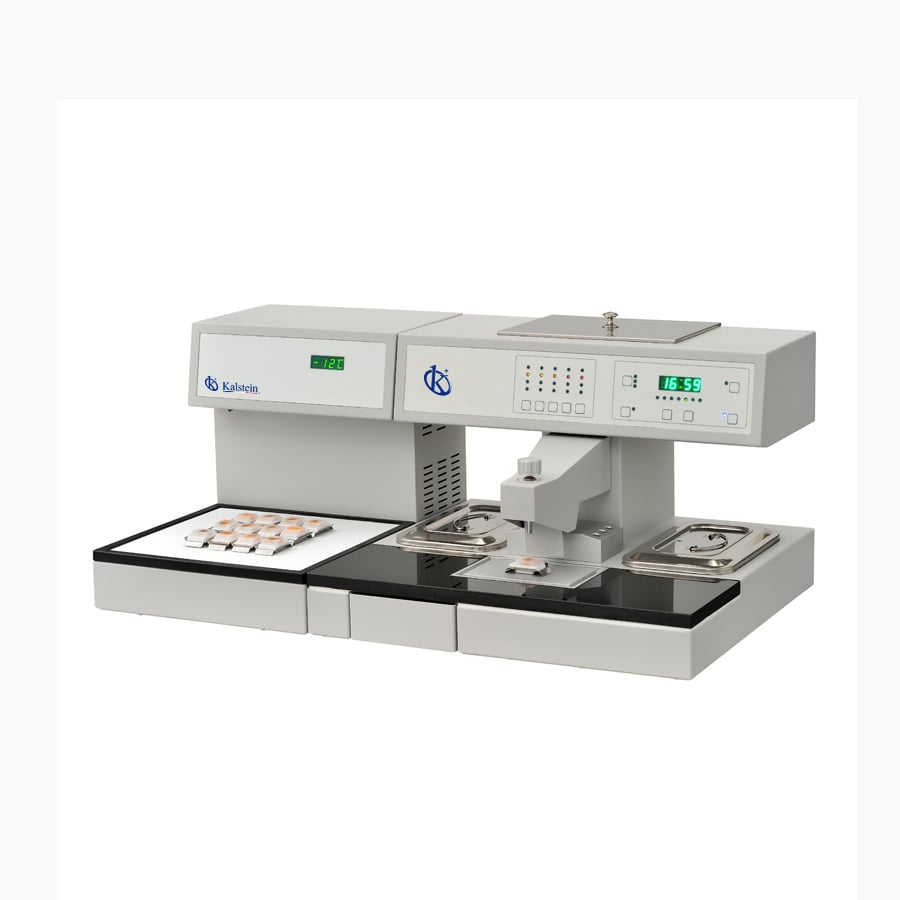
Tissue embedding systems are crucial for the preparation of tissue samples for microscopic analysis. They facilitate the embedding of biological specimens in paraffin wax, ensuring that samples are preserved for further analysis. The embedding process generates a significant amount of data, which can be effectively managed and analyzed through integration with LIMS. This offers laboratories enhanced traceability, better data management, and improved compliance with regulatory standards.
Key Features of Tissue Embedding Systems Relevant to LIMS Integration
When considering LIMS integration, it is vital to focus on specific features of tissue embedding systems that facilitate digitalization. Key features include:
- Programmability: Most modern embedding systems like the YR441 and YR447 allow for complete programmability, enabling labs to set schedules for operation, which can be directly linked to LIMS for data logging.
- Temperature Control: Accurate temperature control, as seen in models like the YR445, ensures that samples are processed under optimal conditions, with real-time temperature data that can be recorded in LIMS.
- User Interface: Systems equipped with intuitive user interfaces, such as the YR439-1, facilitate easier operation and data entry, simplifying integration with LIMS.
Technical Comparison of Available Tissue Embedding Systems
To understand which model best suits LIMS integration, let’s delve into a comparison of the available tissue embedding systems:
| Model | Paraffin Chamber Capacity (Liters) | Temperature Range (°C) | Price (USD) |
|---|---|---|---|
| YR441 | 3 | 55 - 70 | 2200.00 |
| YR447 | 4 | RT - 85 | 2800.00 |
| YR439 | 3 | 55 - 70 | 1300.00 |
| YR445 | 4 | Ambient - 85 | 1800.00 |
| YR439-1 | ≥6 | TA - 85 | 2100.00 |
| YR440B | (Freezer) | -20 | 1100.00 |
Implementing LIMS Integration: Steps and Best Practices
Integrating tissue embedding systems with LIMS requires a clear strategy. Here are some steps and best practices:
- Assess Compatibility: Ensure that the tissue embedding system selected is compatible with the LIMS software in use. Models like the YR447 that support modern communication protocols can be advantageous.
- Establish Data Standards: Define data entry standards and formats to ensure consistency across both systems.
- Conduct Training: Provide comprehensive training for laboratory personnel to familiarize them with both the embedding system and LIMS functionalities.
Common Mistakes and How to Avoid Them
While integrating tissue embedding systems with LIMS, laboratories may encounter several pitfalls. Common mistakes include:
- Neglecting User Training: Failing to adequately train users can lead to improper data entry and system misuse.
- Ignoring Data Management Protocols: Without proper data management, inconsistencies can arise, leading to compliance issues.
- Overlooking System Updates: Regularly updating both LIMS and the embedding system ensures that both are aligned and functioning optimally.
Frequently Asked Questions
How can I ensure my tissue embedding system is LIMS compliant?
To ensure compliance, select models like YR447, known for extensive programmability and connectivity options. Additionally, verify that the system adheres to necessary data standards outlined by your LIMS, enhancing overall integration.
What are the benefits of integrating YR441 with a LIMS?
The YR441 offers advanced programmability and real-time data recording, which enhances traceability and compliance. Integrating it with LIMS can streamline sample tracking and improve overall lab efficiency.
Which tissue embedding system is best for high-throughput labs?
The YR447 is ideal for high-throughput environments due to its larger paraffin chamber capacity and efficient heating elements, which can be seamlessly integrated with LIMS for better data management.
What connectivity protocols should I consider for LIMS integration?
Look for systems like YR445 that support common protocols such as HL7 and ASTM, ensuring seamless data exchange with LIMS for better data digitalization and management.
How does temperature control impact LIMS integration in tissue embedding?
Accurate temperature control is essential for sample integrity. Models like YR439 provide reliable temperature ranges, which can be logged and monitored within LIMS to maintain compliance with laboratory standards.
What role does user training play in successful LIMS integration?
User training is vital for effective LIMS integration. Ensuring that staff are proficient in using models like YR439-1 enhances data accuracy and system efficiency, avoiding common operational errors.
How often should I update my tissue embedding system software for LIMS?
Regular updates are recommended, ideally every 6 to 12 months, to align both the tissue embedding system and LIMS, ensuring compatibility and improved features for data integration.
What are the costs associated with integrating YR440B with LIMS?
The costs can vary based on the specific LIMS system and the integration complexity, typically ranging from $1,100 for the YR440B plus additional LIMS customization and training expenses.
If you are looking for a fusion of innovation and quality, you have come to the right place. At Kalstein, we offer you the luxury of exploring our exclusive catalog of laboratory equipment. We manufacture every device to the highest standards of excellence. Our intuitive and seamless online purchasing channels are designed for your convenience, securing the most competitive prices. Hesitate no longer — we bring science to life, it is time to become part of our community.