How to Integrate Precision Balances with LIMS for Data Flow Digitalization
Effective integration of precision balances with Laboratory Information Management Systems (LIMS) is crucial for optimizing data flow and digitalization in laboratory environments. This article delves into the significance of this integration, focusing on various models of precision balances and their specific features that facilitate seamless data management.
Overview of Precision Balances in LIMS Integration
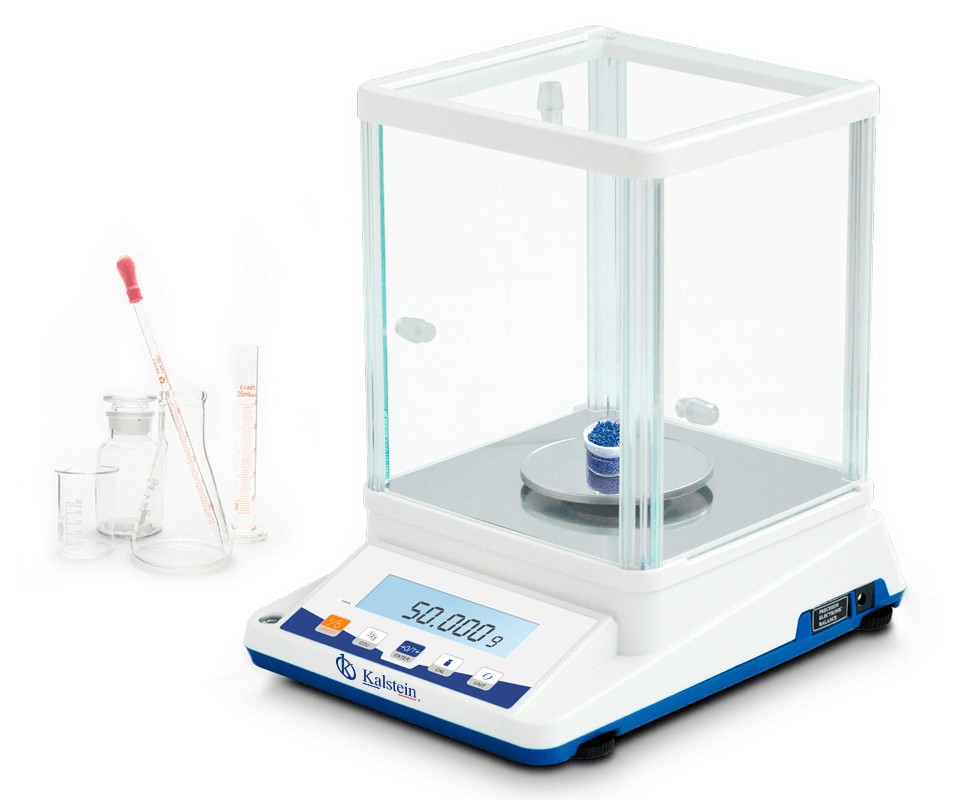
Precision balances are essential tools in laboratories, providing accurate measurements that are critical for various applications. The integration of these devices with LIMS streamlines data collection, reduces manual entry errors, and ensures compliance with industry standards. By automatically transferring weight data from precision balances to LIMS, laboratories enhance their operational efficiency and accuracy.
Benefits of LIMS Integration for Precision Balances
Integrating precision balances with LIMS offers several advantages. First, it allows for real-time data collection, ensuring that measurements are instantly available for analysis. Second, it reduces the risk of human error associated with manual data entry. Lastly, this integration supports regulatory compliance by maintaining accurate records of all measurements and processes.
Connectivity Protocols for Integration
To achieve successful integration, it is essential to understand the connectivity protocols supported by both precision balances and LIMS. Common protocols include ASTM, HL7, and RESTful APIs. Each model may support different protocols, and choosing the right balance that aligns with the laboratory’s existing systems is crucial for seamless integration.
Comparison of Available Models
| Model | Connectivity | Protocols Supported | Integration Effort | Best For |
|---|---|---|---|---|
| YR05584 | USB, RS232 | ASTM | Medium | General Laboratory Use |
| YR05585 | USB, RS232 | HL7 | Low | Pharmaceutical Labs |
| YR05586 | USB, RS232 | REST API | High | Research Laboratories |
| YR05587 | USB, RS232 | ASTM, HL7 | Medium | Quality Control |
| YR05588 | USB | HL7 | Low | Food Industry |
| YR05589 | USB | REST API | Medium | Academic Research |
Common Mistakes and How to Avoid Them
When integrating precision balances with LIMS, common mistakes include selecting models without the necessary connectivity options and failing to properly configure the integration settings. To avoid these issues, laboratories should conduct thorough research on the compatibility of their precision balances with LIMS. Additionally, involving IT specialists during the installation process will help ensure a smooth and effective integration.
Best Practices for LIMS Integration
Implementing best practices can enhance the integration process. First, ensure that the precision balances are calibrated regularly to maintain accuracy, as this will reflect in the LIMS data. Second, develop a clear data management policy that outlines how data from balances is to be stored, accessed, and analyzed within LIMS. Lastly, provide training to laboratory personnel on how to efficiently use the integrated systems.
Challenges in Integration and Solutions
Integrating precision balances with LIMS can present challenges such as software compatibility issues and data transfer delays. To overcome these challenges, laboratories should opt for models like YR05586, which support multiple protocols and can improve data transfer speeds. Regular software updates and maintenance checks also help minimize integration problems.
Frequently Asked Questions
How can I ensure my precision balance meets LIMS integration requirements?
To ensure your precision balance meets LIMS integration requirements, consult the specifications of models like YR05584, which support ASTM protocols, ensuring compatibility with most LIMS systems. It's critical to verify the connectivity options available, such as USB and RS232, to facilitate the integration process.
What are the costs associated with integrating precision balances with LIMS?
The costs of integrating precision balances with LIMS can vary. For instance, models like YR05585 may have a lower price point at $80, while the integration effort may require additional software or IT resources. It is essential to budget for both hardware and potential software upgrades.
Which precision balances offer the best support for data digitalization in LIMS?
Models such as YR05586 and YR05587 offer excellent support for data digitalization in LIMS due to their multiple connectivity options and protocol support. These features facilitate efficient data transfer and help maintain compliance with industry standards.
How does LIMS integration improve laboratory data management?
LIMS integration improves laboratory data management by automating data entry and ensuring accurate record-keeping. For example, when using the YR05584 model, data is automatically uploaded to LIMS, minimizing human error and enhancing overall productivity.
What calibration practices are recommended for precision balances integrated with LIMS?
Regular calibration is essential for precision balances integrated with LIMS. A model like YR05586 should be calibrated according to the manufacturer's guidelines to ensure measurement accuracy, which directly impacts data quality within the LIMS environment.
Can I use multiple precision balances with a single LIMS?
Yes, you can use multiple precision balances with a single LIMS. Models such as YR05587 allow connectivity of several devices, enabling data from all balances to be integrated into one LIMS platform for comprehensive data analysis and management.
How do I choose the right precision balance for LIMS integration?
Choosing the right precision balance for LIMS integration involves assessing the connectivity options and protocol support. For instance, consider the YR05588 model, which supports low-level integration and is ideal for laboratories with basic data requirements.
What is the expected return on investment from integrating precision balances with LIMS?
The expected return on investment from integrating precision balances with LIMS can vary. However, laboratories using models like YR05585 often see a significant reduction in data entry errors and increased efficiency, which can translate to a payback period of less than 12 months.
If you are looking for a fusion of innovation and quality, you have come to the right place. At Kalstein, we offer you the luxury of exploring our exclusive catalog of laboratory equipment. We manufacture every device to the highest standards of excellence. Our intuitive and seamless online purchasing channels are designed for your convenience, securing the most competitive prices. Hesitate no longer — we bring science to life, it is time to become part of our community.