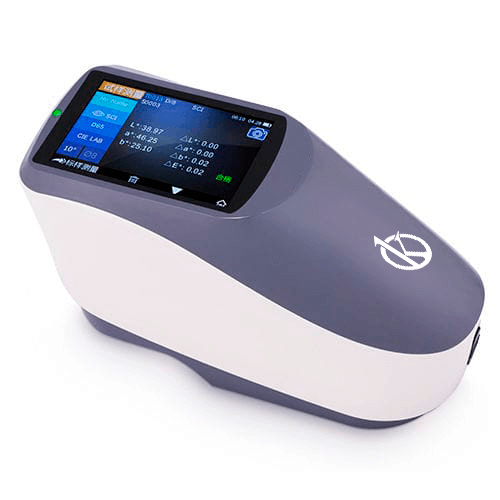
How to Integrate Portable Spectrophotometers with LIMS for Enhanced Data Flow
In the rapidly advancing landscape of laboratory technology, the integration of portable spectrophotometers with Laboratory Information Management Systems (LIMS) is pivotal. This advancement not only boosts data flow efficiency but also enhances compliance with industry standards. In this article, we will explore various portable spectrophotometer models and how they can be effectively integrated with LIMS to optimize laboratory workflows.
Understanding the Importance of LIMS Integration
LIMS is designed to streamline laboratory processes, improve data accuracy, and ensure compliance with regulatory standards. The integration of portable spectrophotometers with LIMS facilitates seamless data exchange, reduces the risk of human error, and enhances laboratory efficiency. By automating data entry and reporting, labs can focus more on analysis and less on manual processes.
Key Features of Portable Spectrophotometers in the Context of LIMS
Portable spectrophotometers have evolved to include several features that support LIMS integration:
- Connectivity Options: Many models now offer connectivity via Bluetooth, USB, or Ethernet, enabling them to easily connect with LIMS.
- Data Formats: Support for standard data formats ensures smooth data transfer between devices and systems.
- Calibration and Compliance: High precision calibration standards are crucial for maintaining data integrity.
Comparison of Available Models
| Model | Connectivity Options | Protocols Supported | Integration Effort | Best For |
|---|---|---|---|---|
| YR05503 | USB | ASTM E1164 | Moderate | Traffic Signal Testing |
| YR05504 | Bluetooth, USB | ISO 7724-1 | Low | Textile and Paint Industries |
| YR05505 | USB | Custom Protocols | Medium | General Color Transfer Applications |
| YR05500 | Bluetooth, USB | GB/T 18833 | High | Laboratory Color Analysis |
| YR05501 | Bluetooth, USB | ISO 17025 | High | Precision Color Measurement |
| YR05502 | Bluetooth, USB | DIN5033 Teil7 | Medium | Quality Control in Manufacturing |
Best Practices for LIMS Integration
Successful integration of portable spectrophotometers with LIMS requires careful planning and execution. Here are some best practices to consider:
- Define Objectives: Clearly outline what you aim to achieve with the integration, such as improving data accuracy or reducing processing time.
- Choose Compatible Models: Select portable spectrophotometers that offer the necessary connectivity and compatibility features.
- Test Connectivity: Before full implementation, conduct tests to ensure seamless data exchange and compatibility with your LIMS.
- Train Staff: Provide staff training on the new processes to minimize disruptions and enhance the overall effectiveness of the integration.
Common Mistakes and How to Avoid Them
Integrating portable spectrophotometers with LIMS can present challenges. Here are common mistakes and how to avoid them:
- Neglecting Data Standards: Ensure that all data formats used are compatible. This will avoid issues during data transfer.
- Underestimating Training Needs: Insufficient training can lead to errors. Invest in comprehensive training programs for staff.
- Ignoring Validation Requirements: All integrations should be validated to comply with ISO 17025. This will ensure data integrity and accuracy.
Maximizing Efficiency Through Digitalization
To fully leverage the power of portable spectrophotometers, labs must embrace digitalization. This involves:
- Implementing Cloud Storage: Store data in the cloud for easy access and analysis.
- Utilizing Data Analytics: Apply analytics tools to derive insights from the data collected. This can help in improving processes and making informed decisions.
- Regularly Updating Software: Ensure that the LIMS and spectrophotometer software are up-to-date to take advantage of new features and security enhancements.
Frequently Asked Questions
How can portable spectrophotometers support ISO 17025 compliance in a laboratory?
Portable spectrophotometers like the YR05501 are designed with features that fulfill ISO 17025 requirements, including accurate calibration and data traceability. By integrating such models with LIMS, laboratories can ensure that all measurement data is reliably recorded, compliant with quality standards.
Which portable spectrophotometer is best for color analysis in textiles?
The YR05504 model is optimized for textile applications, offering high precision and dual apertures for detailed color analysis. Its LIMS compatibility ensures efficient data management and compliance with industry standards.
What protocols should a portable spectrophotometer support for LIMS integration?
Ideal protocols include ASTM E1164 and ISO 7724-1, which are critical for ensuring data integrity and compatibility. Models like the YR05500 and YR05502 support these protocols, making them suitable for integration with various LIMS.
How much time can LIMS integration save in laboratory workflows?
Integrating portable spectrophotometers with LIMS can save significant time, often reducing data processing and reporting time by up to 50%. This efficiency allows laboratories to handle more samples without compromising on quality.
What are the key features to look for in a portable spectrophotometer for LIMS?
Key features include connectivity options (such as Bluetooth and USB), support for data standards, and high-precision calibration capabilities. The YR05503 is an excellent choice given its robust features tailored for traffic signal testing and LIMS integration.
How does calibration affect the performance of portable spectrophotometers in LIMS?
Calibration ensures that the spectrophotometer provides accurate results, which is crucial for compliance with standards like ISO 17025. Models like the YR05500 offer high precision, ensuring reliable data for LIMS applications.
What are the common challenges in integrating portable spectrophotometers with LIMS?
Common challenges include data compatibility issues, insufficient staff training, and failure to validate the integration. Addressing these in advance can facilitate a smoother integration process.
Why is LIMS integration important for color measurement devices in laboratories?
LIMS integration is vital as it automates data management, enhances accuracy, and ensures compliance with regulatory standards. The YR05505 model, for example, provides efficient data flow for color measurement tasks.
If you are looking for a fusion of innovation and quality, you have come to the right place. At Kalstein, we offer you the luxury of exploring our exclusive catalog of laboratory equipment. We manufacture every device to the highest standards of excellence. Our intuitive and seamless online purchasing channels are designed for your convenience, securing the most competitive prices. Hesitate no longer — we bring science to life, it is time to become part of our community.