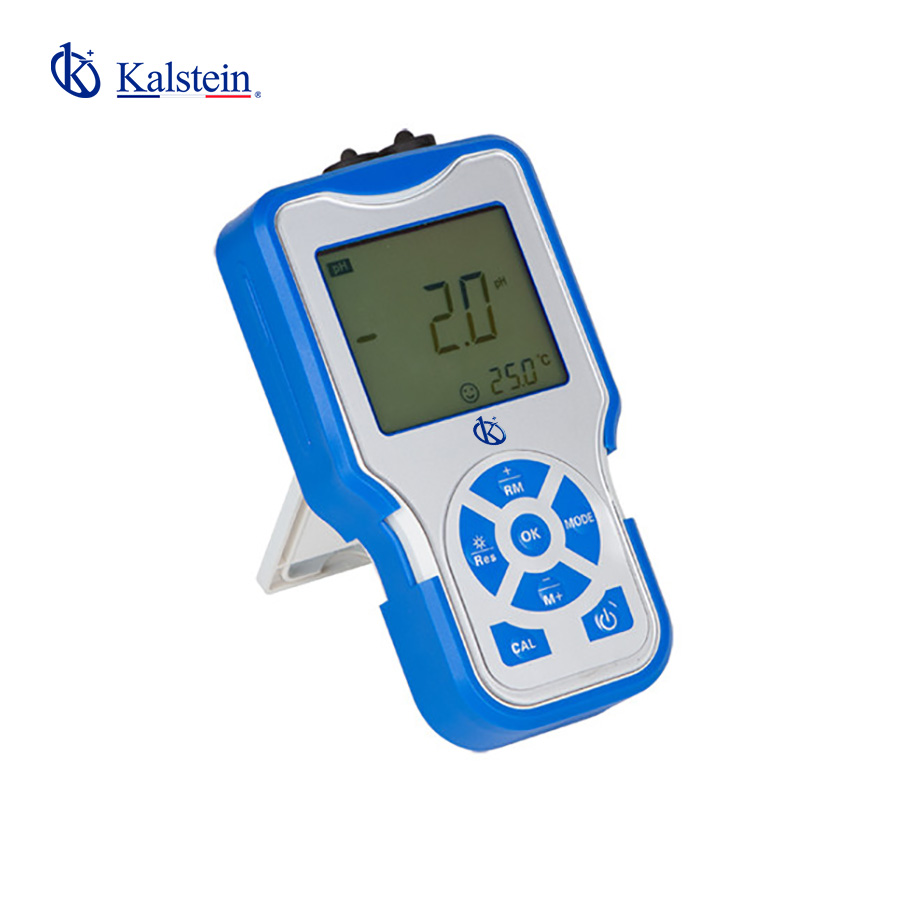
How to Effectively Integrate Portable Ion Meters with LIMS for Data Digitalization
In modern laboratories, the integration of Portable Ion Meters with Laboratory Information Management Systems (LIMS) is crucial for achieving efficient data management and digitalization. This integration enhances workflow, reduces manual data entry, and ultimately increases the accuracy of laboratory results. This article will delve into the various aspects of integrating portable ion meters with LIMS, highlighting the specific models available, their features, and best practices for successful implementation.
Understanding the Importance of LIMS Integration in Data Management
A Laboratory Information Management System (LIMS) is designed to streamline laboratory operations by handling data intelligently. The need for seamless integration between portable ion meters and LIMS has risen due to the increasing volume of data generated in laboratories. Manual data entry is not only time-consuming but also prone to errors, which can compromise data integrity.
By linking portable ion meters with LIMS, laboratories can automate data collection and reporting processes. This automation not only saves time but also enhances traceability and compliance with regulatory standards. The integration provides a centralized platform for data management, allowing for easier access and analysis of results, ultimately improving decision-making in laboratory environments.
Key Features of Portable Ion Meters for LIMS Integration
Portable Ion Meters have improved significantly over the years in terms of technology and user-friendliness, making them ideal candidates for integration with LIMS. Here are some key features that enhance their compatibility with LIMS:
- Calibrated Data Output: Portable ion meters like the YR01816 and YR01817 series provide calibrated data outputs that can be directly transmitted to LIMS, ensuring data accuracy.
- Automatic Temperature Compensation: Many models, such as the YR01817-1, support automatic temperature compensation, which helps in obtaining precise ion concentration readings essential for data integrity.
- Multiple Calibration Points: Models like YR01817-10 allow for 2 to 5-point calibration, facilitating accurate measurements across a wide range.
- Data Connectivity: Advanced models support various connectivity protocols such as USB or wireless options for easy data transfer to LIMS.
Comparison of Available Models
| Model | Features | Best for | Price (USD) |
|---|---|---|---|
| YR01816 | Calibration of 2 to 5 points, display LCD | General ion concentration measurement | 94.00 |
| YR01817-1 | Low to high concentration calibration | Field applications | 229.00 |
| YR01817-10 | Professional ammonium ion meter | Outdoor testing | 500.00 |
| YR01817-11 | Multiple calibration points | Laboratory environments | 500.00 |
| YR01817-12 | Advanced diagnostics | Research applications | 500.00 |
| YR01817-13 | Comprehensive data output options | Regulatory compliance | 500.00 |
Best Practices for Implementing LIMS Integration
Successfully integrating portable ion meters with LIMS requires a strategic approach. Here are some best practices:
- Define Objectives: Clearly outline the objectives of the integration, focusing on enhancing data accuracy and streamlining operations.
- Choose Compatible Models: Select portable ion meters that provide the necessary connectivity and calibration options for your specific LIMS.
- Training and Support: Ensure that laboratory personnel are adequately trained on both the ion meters and the LIMS to maximize benefits.
- Testing and Validation: Perform thorough testing of the integration before full implementation to identify any potential issues.
Common Mistakes and How to Avoid Them
Despite the advantages of integration, laboratories often encounter pitfalls. Here are common mistakes and ways to avoid them:
- Neglecting Calibration: Ensure regular calibration of portable ion meters to maintain accuracy.
- Inadequate Data Management: Failing to establish a clear data management protocol can lead to confusion. It is essential to define how data will be stored and accessed.
- Ignoring User Feedback: Encourage feedback from users of both the portable ion meters and LIMS to identify areas for improvement.
Frequently Asked Questions
What are the benefits of using a Portable Ion Meter integrated with LIMS?
Integrating a Portable Ion Meter such as the YR01817-1 with LIMS brings significant benefits, including improved data accuracy, streamlined workflow, and reduced manual entry errors. This integration allows for automatic data capture and reporting, enhancing compliance and traceability in laboratory operations.
How does LIMS integration enhance data accuracy in laboratories?
LIMS integration enhances data accuracy by automating data transfer from devices like the YR01816 Portable pH/Ion Meter to the LIMS. This reduces the possibility of human errors associated with manual data entry, ensuring that results reflect the actual measurements taken in the lab.
Which Portable Ion Meter model is best for outdoor applications?
The YR01817-1 Portable Ammonium Ion Meter is best suited for outdoor applications due to its rugged design and professional specifications. It is capable of calibrating across a low to high concentration range, making it highly versatile for field testing.
What are the key features to look for in a Portable Ion Meter for lab integration?
Key features to consider when selecting a Portable Ion Meter for lab integration include data connectivity options (such as USB), calibration flexibility, accuracy levels, and user-friendly interfaces. Models like the YR01817-10 offer multiple calibration points and LCD displays, enhancing ease of use.
How can I ensure successful integration of Portable Ion Meters with LIMS?
Success in integrating Portable Ion Meters with LIMS can be ensured by choosing compatible models, training staff, and conducting thorough testing. Establishing clear objectives and maintaining open feedback channels with users will facilitate a smoother integration process.
What is the typical price range for Portable Ion Meters?
The price range for Portable Ion Meters varies based on features and specifications. For instance, the YR01816 is priced at $94.00, while more advanced models like the YR01817-10 can cost up to $500.00, reflecting their capabilities for specialized applications.
How often should Portable Ion Meters be calibrated when integrated with LIMS?
The frequency of calibration for Portable Ion Meters should align with laboratory protocols, but generally, it is advisable to calibrate them at least once a month or before critical measurements. Regular calibration ensures the accuracy of data recorded in the LIMS.
Can any LIMS be integrated with Portable Ion Meters?
Most LIMS can be integrated with Portable Ion Meters, provided the meters support compatible data output formats. It is essential to verify the communication protocols and data transfer capabilities of the meters, such as those offered by the YR01816 and YR01817 series.
If you are looking for a fusion of innovation and quality, you have come to the right place. At Kalstein, we offer you the luxury of exploring our exclusive catalog of laboratory equipment. We manufacture every device to the highest standards of excellence. Our intuitive and seamless online purchasing channels are designed for your convenience, securing the most competitive prices. Hesitate no longer — we bring science to life, it is time to become part of our community.