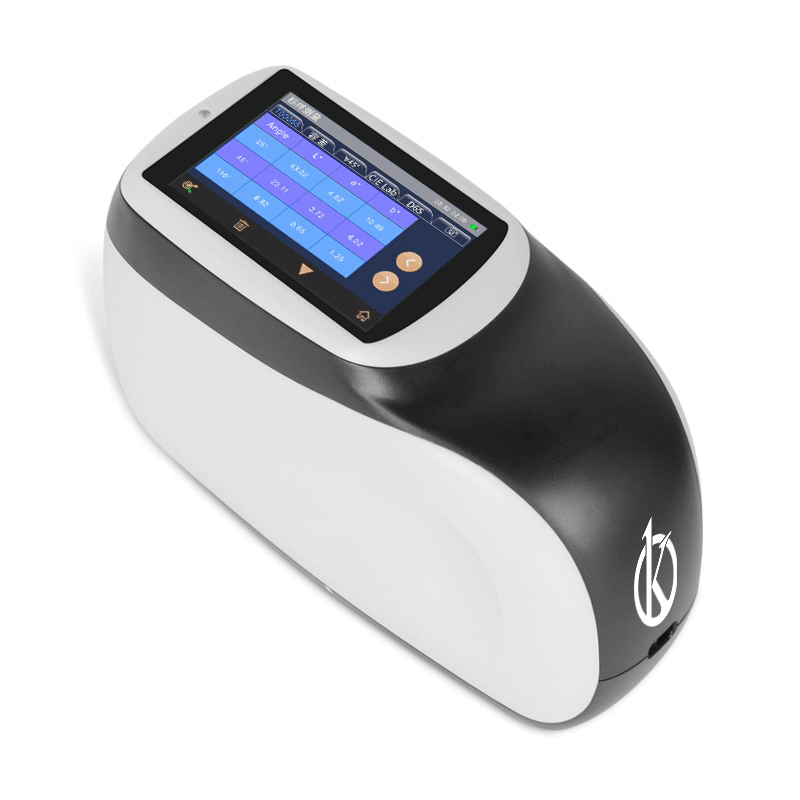
How to Integrate Multi Angle Spectrophotometers with LIMS for Data Digitalization?
As laboratories increasingly transition toward digital solutions, the integration of multi-angle spectrophotometers with Laboratory Information Management Systems (LIMS) plays a crucial role. This article will delve into the specifics of how laboratories can enhance their data digitalization processes through effective integration strategies.
Understanding Multi Angle Spectrophotometers
Multi-angle spectrophotometers are advanced tools used for measuring color and other optical characteristics of materials across various angles. By utilizing multiple angles, they provide a comprehensive view of surface properties, making them essential in fields such as paint production, textile analysis, and materials science. Models like the YR05491 and YR05492, for instance, are designed for high precision in color difference measurements, with YR05491 featuring 8 measurement angles and compliance with international standards such as ASTM and ISO.
Importance of LIMS in Laboratory Settings
LIMS are critical for managing laboratory data effectively. These systems facilitate the tracking of samples, managing workflows, and ensuring compliance with various regulations. The integration of spectrophotometers with LIMS allows for the automated transfer of measurement data, reducing human error and improving data accuracy. This is particularly vital in environments where regulatory compliance is mandatory.
Benefits of Integrating Spectrophotometers with LIMS
Integrating multi-angle spectrophotometers with LIMS provides numerous benefits, including improved data integrity, streamlined workflows, and the ability to generate real-time reports. For instance, the YR05488 model, equipped with 3 measurement angles, enhances operational efficiency by allowing for consistent color measurements that can be logged directly into LIMS, ensuring that all data is centralized and easily accessible.
Key Connectivity Protocols for Integration
Successful integration of multi-angle spectrophotometers with LIMS hinges on the use of established connectivity protocols. Common protocols include HL7 for health information, ASTM for standard test methods, and REST for web services. By ensuring compatibility with these protocols, laboratories can facilitate seamless data exchange between devices and their management systems.
Challenges in LIMS Integration
Despite the advantages, laboratories often face challenges when integrating spectrophotometers with LIMS. Issues such as compatibility between systems, data migration, and user training can hinder the integration process. Addressing these challenges requires thorough planning and collaboration between IT specialists and laboratory personnel.
Steps for Successful Integration
1. Assess Compatibility: Evaluate the spectrophotometer's output formats and LIMS's accepted data formats.
2. Select the Right Protocol: Choose a connectivity protocol that meets both laboratory needs and spectrophotometer capabilities.
3. Pilot Testing: Conduct pilot tests to identify potential issues in data transfer and resolve them before full implementation.
4. Training: Train laboratory staff on new workflows and the use of integrated systems to ensure smooth operation.
Comparison of Available Models
| Model | Measurement Geometry | Price (USD) | Best For |
|---|---|---|---|
| YR05491 | 8 Angles (6 light sources) | 8730.00 | Color measurement on curved surfaces |
| YR05492 | 12 Angles (7 light sources) | 13492.00 | Advanced chromatic aberration analysis |
| YR05488 | 3 Angles (3 light sources) | 2857.00 | Basic color measurement |
| YR05489 | 5 Angles (5 light sources) | 4762.00 | Color consistency in paint production |
| YR05490 | 3 Angles (3 light sources) | 6032.00 | General RGB color analysis |
Common Mistakes and How to Avoid Them
When integrating multi-angle spectrophotometers with LIMS, common mistakes include inadequate planning, neglecting user training, and overlooking data security measures. To avoid these pitfalls, laboratories should focus on comprehensive project management strategies and engage all stakeholders early in the integration process.
Frequently Asked Questions
How does LIMS integration enhance the functionality of multi-angle spectrophotometers?
Integrating a multi-angle spectrophotometer like the YR05491 with a LIMS enhances functionality by automating data collection and management, which reduces errors and increases efficiency. This integration allows for real-time reporting and compliance tracking, making it essential for laboratories adhering to standards such as ASTM and ISO.
What are the best protocols for connecting multi-angle spectrophotometers to LIMS?
Protocols such as HL7, ASTM, and REST are effective for connecting multi-angle spectrophotometers like the YR05492 to LIMS. These protocols facilitate seamless data exchange and ensure that measurement data is accurately captured and stored within the LIMS environment.
Which multi-angle spectrophotometer model is best for color consistency in manufacturing?
The YR05489 model excels in color consistency checks in manufacturing environments due to its 5-angle measurement capability. Its integration with LIMS further enhances monitoring and reporting accuracy, crucial for maintaining quality control.
What challenges are commonly faced when integrating spectrophotometers with LIMS?
Common challenges include data format compatibility, user resistance to new systems, and insufficient IT infrastructure. Addressing these issues through thorough planning and training can significantly improve the integration process.
How can laboratories ensure data security during LIMS integration?
Ensuring data security during LIMS integration involves implementing protocols that safeguard sensitive information. Regular audits, user access controls, and secure data transmission methods are essential when integrating multi-angle spectrophotometers such as the YR05490.
What are the cost implications of integrating LIMS with multi-angle spectrophotometers?
Integration costs can vary based on the models used and existing infrastructure. However, investing in models like YR05492 can yield long-term savings through improved efficiency and reduced error rates, justifying the initial expenditure.
What are the performance standards for multi-angle spectrophotometers in a digitalized lab?
Performance standards for multi-angle spectrophotometers include compliance with ASTM and ISO regulations. Models like YR05488 are designed to meet these standards while providing precise measurement capabilities essential for digitalized laboratory operations.
How do multi-angle spectrophotometers contribute to enhanced lab productivity?
Multi-angle spectrophotometers contribute to lab productivity by enabling faster data collection and analysis. For instance, the YR05491 can process multiple angles simultaneously, thereby reducing turnaround time for results, crucial in high-throughput laboratory settings.
If you are looking for a fusion of innovation and quality, you have come to the right place. At Kalstein, we offer you the luxury of exploring our exclusive catalog of laboratory equipment. We manufacture every device to the highest standards of excellence. Our intuitive and seamless online purchasing channels are designed for your convenience, securing the most competitive prices. Hesitate no longer — we bring science to life, it is time to become part of our community.