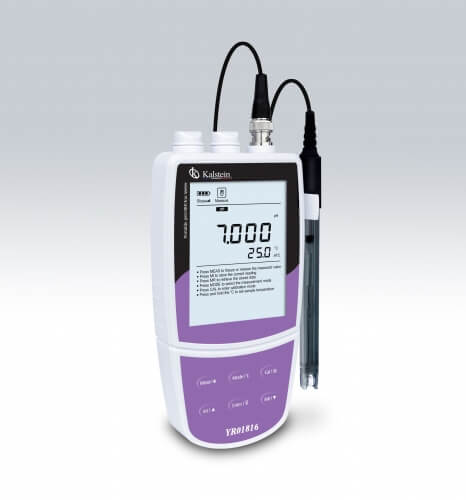
Environmental Conditions and Installation Requirements for the YR01817-10 Portable Ammonium Ion Meter
The YR01817-10 Portable Ammonium Ion Meter is a sophisticated device designed for accurate measurements in various environmental conditions. Understanding the specific installation requirements and conditions is crucial for the optimal performance of the device. This article will explore the necessary site conditions, installation considerations, and operational guidelines to ensure the reliability of the YR01817-10 in the field.
Understanding the YR01817-10: A Technical Overview
The YR01817-10 is a professional portable ammonium ion meter that boasts a range of advanced features designed for accurate ion concentration measurement. Key specifications include:
| Specification | Details |
|---|---|
| Model | YR01817-10 |
| Measurement Range | 1 × 10⁻⁵ to 1 M, 0.1 to 23000 ppm |
| Accuracy | ± 0.5% FS |
| Calibration Points | 2 to 5 points adjustable |
| Memory Storage | Stores up to 500 data sets |
| Power Supply | 3 AA batteries or DC5V adapter |
Site Requirements for Optimal Performance
To ensure precise measurements with the YR01817-10, specific environmental conditions must be met. Here are the critical factors to consider:
- Temperature Range: The ideal operating temperature for the YR01817-10 is between 0 to 105 °C (32 to 221 °F). Extreme temperatures can affect the accuracy of readings.
- Humidity Levels: The meter should be operated in a controlled humidity environment. High humidity can lead to corrosion or moisture accumulation in the device.
- Electromagnetic Interference (EMI): Ensure that the meter is used away from high-frequency electrical equipment to avoid interference in measurements.
- Ventilation: Adequate airflow around the meter is essential to prevent overheating, especially when used for extended periods.
- Vibration and Shock: The YR01817-10 is sensitive to vibration; ensure it is placed on a stable surface during operation.
Installation Checklist for the YR01817-10
Proper installation is crucial for the YR01817-10 to function optimally. Follow this checklist to ensure everything is set up correctly:
- Unbox the meter carefully, checking for any damages during shipping.
- Ensure the surface is level and stable where the meter will be used.
- Connect the meter to a suitable power source, either through batteries or an adapter.
- Perform a first-run calibration using the provided calibration solutions.
- Store data settings and calibration points in the memory for future use.
- Conduct a test measurement and verify accuracy against known standards.
Troubleshooting Common Installation Issues
Even with proper installation, issues may arise. Here are common symptoms and suggested fixes:
| Symptom | Probable Cause | Solution |
|---|---|---|
| Device does not power on | Battery issue or connection failure | Check battery placement and replace if necessary |
| Error code E-03 displayed | Calibration error | Recalibrate the device using appropriate solutions |
| Inconsistent readings | Improper calibration or environmental interference | Check calibration settings and relocate away from interference sources |
Understanding Measurement Results
The YR01817-10 provides readings in various units such as ppm, mg/L, and mol/L. Understanding these units is essential for interpreting results:
- PPM (Parts Per Million): A measure of concentration commonly used in environmental testing.
- MG/L (Milligrams per Liter): Often used in laboratory settings for precise measurement of ionic concentrations.
- MOL/L (Molarity): Indicates the number of moles of solute per liter of solution, critical for chemical applications.
Frequently Asked Questions
What temperature range can the YR01817-10 operate in?
The YR01817-10 can operate effectively in temperatures ranging from 0 to 105 °C (32 to 221 °F), ensuring accurate readings within this range.
How often should the YR01817-10 be calibrated?
It is recommended to calibrate the YR01817-10 regularly, especially before taking important measurements to ensure accuracy. Calibration can be done using 2 to 5 points.
What should I do if the device shows an error code?
If the YR01817-10 displays an error code, refer to the troubleshooting section above for specific solutions related to the error code displayed.
Can I use the YR01817-10 in high humidity conditions?
While the meter can function in humid conditions, it is advisable to minimize exposure to excessive moisture to prevent damage and ensure accuracy.
How can I store data from the YR01817-10?
The YR01817-10 is capable of storing up to 500 data sets, which can be accessed later for analysis or record-keeping purposes.
What maintenance is required for the YR01817-10?
Regular maintenance includes ensuring clean electrodes, periodically checking the calibration settings, and storing the device in a suitable environment when not in use.
Conclusion and Call to Action
If you are looking for a fusion of innovation and quality, you have come to the right place. At Kalstein, we offer you the luxury of exploring our exclusive catalog of laboratory equipment. We manufacture every device to the highest standards of excellence. Our intuitive and seamless online purchasing channels are designed for your convenience, securing the most competitive prices. Hesitate no longer — we bring science to life, it is time to become part of our community.