Ensuring ISO/IEC Compliance in Vacuum Ovens: A Comprehensive Guide for Laboratories
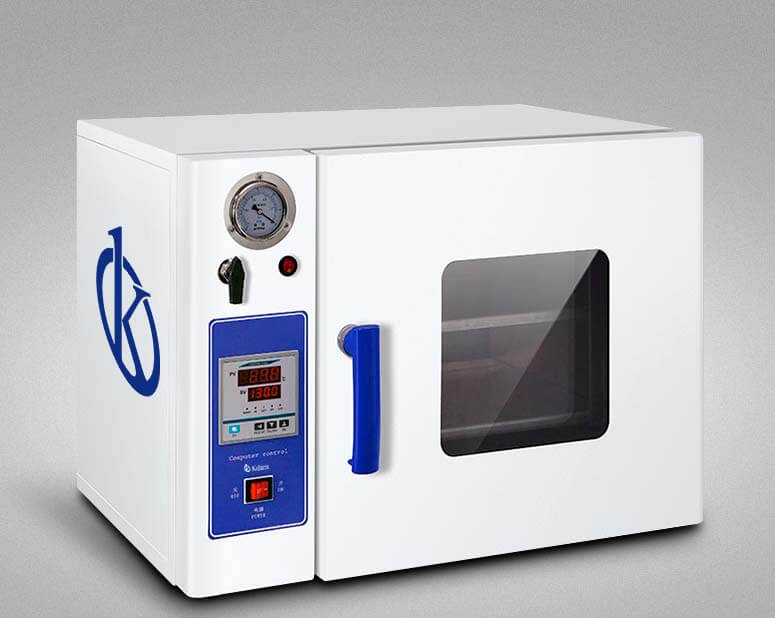
In the realm of laboratory equipment, vacuum ovens play a vital role in various applications, including materials testing, pharmaceuticals, and biochemical research. Meeting ISO/IEC standards is essential for labs aiming for operational excellence and regulatory compliance. This guide will delve into the specific ISO/IEC standards relevant to vacuum ovens, the features that ensure compliance, and how various models can aid laboratories in meeting these standards.
Understanding ISO/IEC Standards Relevant to Vacuum Ovens
The ISO/IEC standards provide a framework for quality management, ensuring that laboratory equipment meets rigorous safety and efficacy benchmarks. The most pertinent standards for vacuum ovens include:
- ISO 17025: This standard pertains to the general requirements for the competence of testing and calibration laboratories. It emphasizes the need for proper equipment calibration, traceability, and validation processes.
- IEC 61010: This standard addresses safety requirements for electrical equipment used in measurement, control, and laboratory use, emphasizing operator safety and equipment reliability.
- ISO 15189: This standard specifically caters to medical laboratories, focusing on quality and competence, which is crucial for laboratories dealing with health-related applications.
Importance of Compliance for Vacuum Ovens in Laboratories
Ensuring compliance with ISO/IEC standards is not just about meeting regulatory requirements; it is also crucial for maintaining the integrity of laboratory results, protecting personnel, and ensuring the longevity of laboratory investments. Compliance fosters trust among stakeholders, including clients, regulatory bodies, and the scientific community.
Key Features of Vacuum Ovens That Ensure Compliance
Laboratory vacuum ovens must incorporate several key features to comply with ISO/IEC standards:
- Temperature Control: Precise temperature regulation is essential for ensuring that laboratory processes are repeatable and reliable. Models like the YR05260-A feature a temperature range of RT + 5 to 250°C, with an accuracy of ±1°C.
- Vacuum Integrity: Maintaining a high vacuum level (< 133 Pa) is critical for effective drying and sterilization processes. This is a key requirement for compliance with safety and operational standards.
- Traceability: All measurements must be traceable to national or international standards. Vacuum ovens that allow for easy integration with calibration systems are crucial for compliance.
Comparison of Available Models
| Model | ISO/IEC Clauses Covered | Traceability Features | Best For |
|---|---|---|---|
| YR05260-A | ISO 17025, IEC 61010 | Compatible with calibration systems | General laboratory use |
| YR05261-A | ISO 17025, ISO 15189 | Integrated data logging | Pharmaceutical applications |
| YR05262-SS | IEC 61010, ISO 17025 | Real-time monitoring | Biochemical research |
| YR05263-SS | ISO 15189 | Calibration compliance indicators | Medical labs |
| YR05264-A | ISO 17025 | Automated calibration protocols | Environmental testing |
| YR05265-SS | IEC 61010 | Traceable calibration | Complex material testing |
Common Mistakes and How to Avoid Them
Laboratories often make critical errors in maintaining compliance with ISO/IEC standards. Here are some common mistakes and strategies to avoid them:
- Neglecting Regular Calibration: Failing to calibrate vacuum ovens can lead to inaccurate results. Establish a strict calibration schedule, ensuring that models like the YR05262-SS are frequently checked against traceable standards.
- Inadequate Documentation: Proper record-keeping is essential for compliance. Maintain thorough documentation of calibration and maintenance activities, ensuring easy access for audits.
- Ignoring Safety Protocols: Compliance is also about safety. Regularly review and update safety protocols to align with IEC 61010 standards, ensuring that operators are protected while using vacuum ovens.
FAQs
What are the ISO/IEC standards for vacuum ovens in laboratories?
The relevant ISO/IEC standards for vacuum ovens include ISO 17025 for laboratory competency, IEC 61010 for safety, and ISO 15189 for medical laboratories. Models like YR05260-A are designed to meet these standards, ensuring safe and reliable operation.
How can a vacuum oven help meet ISO 17025 requirements?
A vacuum oven like the YR05261-A can help meet ISO 17025 requirements by providing precise temperature control and traceability features necessary for reliable testing and calibration processes in laboratories.
Which vacuum oven is best for compliance with ISO 15189?
The YR05263-SS vacuum oven is particularly suited for compliance with ISO 15189, as it includes integrated data logging and calibration compliance indicators, essential features for medical laboratories.
What maintenance is required for vacuum ovens to maintain compliance?
Regular maintenance such as calibration, cleaning, and safety checks is essential for compliance. Establish a routine based on the recommendations for models like the YR05264-A to ensure ongoing adherence to ISO/IEC standards.
How important is traceability for laboratory vacuum ovens?
Traceability is crucial for laboratory vacuum ovens as it ensures that measurements and results can be linked back to national standards, helping to meet requirements of ISO 17025 and IEC 61010, particularly with models such as YR05262-SS.
What features should a compliant vacuum oven include?
A compliant vacuum oven should include features such as precise temperature control, vacuum integrity, and traceability capabilities. Models like YR05265-SS provide these essential features, ensuring compliance and reliability in laboratory applications.
How often should vacuum ovens be calibrated to ensure compliance?
Vacuum ovens should ideally be calibrated at least once a year or more frequently depending on usage intensity and manufacturer recommendations. Regular calibration of models like YR05260-A helps maintain compliance with ISO/IEC standards.
What are the consequences of non-compliance in laboratory settings?
Non-compliance can lead to inaccurate results, compromised safety, and regulatory penalties. Using compliant vacuum ovens like the YR05261-A ensures adherence to ISO/IEC standards, protecting laboratory integrity and safety.
If you are looking for a fusion of innovation and quality, you have come to the right place. At Kalstein, we offer you the luxury of exploring our exclusive catalog of laboratory equipment. We manufacture every device to the highest standards of excellence. Our intuitive and seamless online purchasing channels are designed for your convenience, securing the most competitive prices. Hesitate no longer — we bring science to life, it is time to become part of our community.