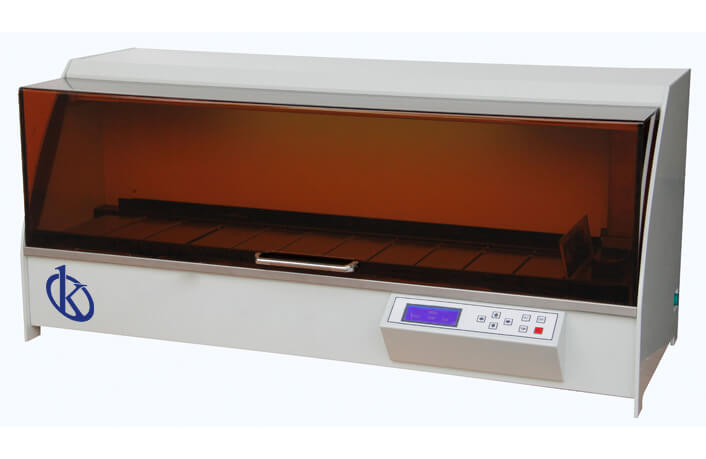
Ensuring Compliance with ISO/IEC Standards in Tissue Processors
In the world of pathological anatomy, compliance with international standards such as ISO/IEC is crucial for laboratories. Tissue processors play a vital role in ensuring high-quality tissue samples for diagnostic purposes. This article explores how different tissue processors meet ISO/IEC standards and regulatory requirements, enhancing the integrity and reliability of laboratory operations.
Understanding ISO/IEC Standards in Laboratories
ISO/IEC standards are international benchmarks that ensure quality, safety, and efficiency in laboratory processes. Compliance with these standards is essential for laboratories aiming to achieve accreditation and maintain high operational standards. These standards cover various aspects from equipment performance to laboratory management practices.
The Role of Tissue Processors in Compliance
Tissue processors are critical in preparing specimens for histopathological examination. By adhering to ISO/IEC standards, these devices help laboratories maintain consistent processing protocols, thereby ensuring reproducibility and reliability of results. Factors such as temperature control, processing time, and reagent management are vital components tied to compliance.
ISO 17025 and Tissue Processors
ISO 17025 specifies the general requirements for the competence of testing and calibration laboratories. Compliance with this standard ensures that tissue processors operate within specified parameters, maintaining a consistent processing environment. This compliance is essential for laboratories aiming to enhance the accuracy of their diagnostic results.
IEC 61010 and Safety Standards
IEC 61010 outlines safety requirements for electrical equipment used in measurement, control, and laboratory processes. Tissue processors must meet these electrical safety standards to protect laboratory personnel and ensure safe operation. Compliance with IEC 61010 also ensures that equipment is designed to prevent hazards associated with electrical systems.
Comparison of Available Models
| Model | ISO/IEC Clauses Covered | Traceability Features | Best For |
|---|---|---|---|
| YR431-1 | ISO 17025, IEC 61010 | Integrated tracking system | Medium to large laboratories |
| YR436-2 | ISO 17025 | Manual documentation | Small laboratories |
| YR427 | ISO 17025 | Basic tracking | Cost-effective solutions |
| YR428 | ISO 17025, IEC 61010 | Real-time monitoring | Small lab settings |
| YR429 | ISO 17025 | Integrated tracking system | Medium laboratories |
Common Mistakes and How to Avoid Them
Many laboratories encounter challenges when striving for compliance with ISO/IEC standards. Common mistakes include inadequate documentation, neglecting maintenance schedules, and failing to conduct regular audits. To avoid these pitfalls, laboratories should implement a robust quality management system that includes regular training, thorough documentation practices, and scheduled audits.
ISO 15189 and the Importance of Quality Management
ISO 15189 specifies requirements for quality management in medical laboratories. Tissue processors must operate under procedures that reflect these standards to ensure the quality of results. This includes maintaining equipment, ensuring proper calibration, and documenting all processes to facilitate traceability.
Environmental Impact and Sustainability Concerns
As laboratories strive for compliance, they must also consider the environmental impact of their operations. Tissue processors can contribute to sustainability goals by reducing reagent waste and optimizing energy consumption. Laboratories should look for models that meet both compliance standards and environmental benchmarks, such as ENERGY STAR qualifications.
Integration with Laboratory Information Management Systems (LIMS)
Integrating tissue processors with LIMS can enhance compliance and operational efficiency. LIMS can track processing parameters, manage reagent usage, and simplify documentation processes. Models like YR431-1 offer compatibility with various LIMS, ensuring that compliance is maintained through seamless data management.
Frequently Asked Questions
What ISO standards should a tissue processor comply with for laboratory accreditation?
A tissue processor like YR431-1 should comply with ISO 17025 to ensure laboratory accreditation through proper quality management and traceability features.
How do IEC standards affect the selection of a tissue processor?
IEC standards, such as IEC 61010, affect the selection of a tissue processor by ensuring that the equipment is safe for laboratory use, protecting operators from electrical hazards.
Which tissue processor model is best for small laboratories needing ISO compliance?
The YR427 model is best suited for small laboratories needing ISO compliance due to its cost-effective design and adherence to ISO 17025 standards.
How can a laboratory ensure traceability with tissue processors?
A laboratory can ensure traceability with models like YR431-1 that provide integrated tracking systems which log processing parameters and reagent usage throughout the analysis.
What are the environmental benefits of modern tissue processors?
Modern tissue processors can reduce reagent waste and improve energy efficiency, contributing to sustainability goals in laboratories and compliance with environmental standards.
How does LIMS integration enhance compliance for tissue processors?
LIMS integration enhances compliance for tissue processors by automating data collection, tracking processing steps, and ensuring that all operations adhere to ISO/IEC stipulations.
What are the common operational mistakes in tissue processing labs?
Common operational mistakes in tissue processing labs include inadequate documentation and neglecting routine maintenance, which can jeopardize compliance with ISO standards.
How does ISO 15189 impact tissue processor operations?
ISO 15189 impacts tissue processor operations by requiring strict quality management practices, ensuring that all processing adheres to established best practices and standards.
If you are looking for a fusion of innovation and quality, you have come to the right place. At Kalstein, we offer you the luxury of exploring our exclusive catalog of laboratory equipment. We manufacture every device to the highest standards of excellence. Our intuitive and seamless online purchasing channels are designed for your convenience, securing the most competitive prices. Hesitate no longer — we bring science to life, it is time to become part of our community.