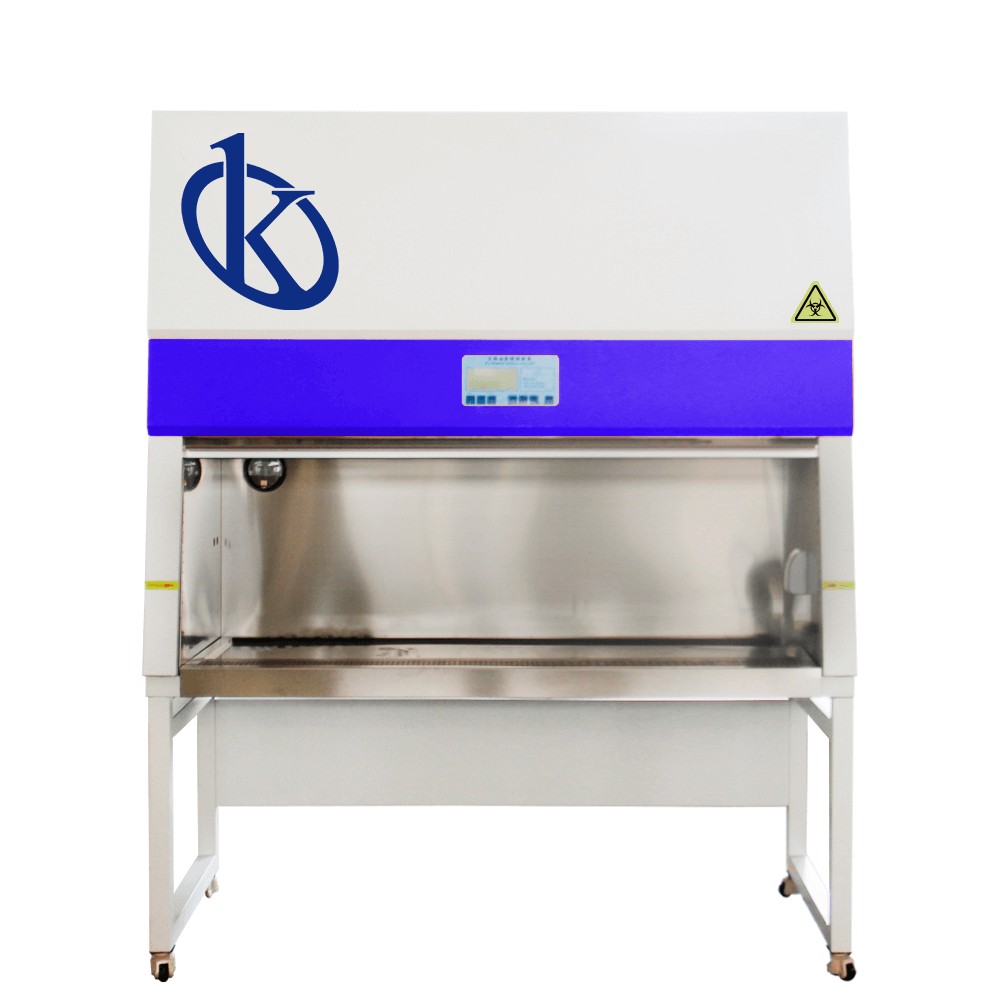
Ensuring Biosafety: A Comprehensive Guide to Operator Safety Protocols in Biosafety Cabinets
In laboratory environments, particularly those dealing with biological agents, ensuring the highest level of biosafety is critical. This article delves into various biosafety protocols and operator safety measures that are vital when selecting and utilizing Class II Biosafety Cabinets. By understanding the capabilities of different models, laboratory professionals can make informed decisions to enhance safety standards and compliance.
Understanding Biosafety Cabinets and Their Importance
Biosafety Cabinets (BSCs) are enclosed, ventilated workspaces designed to protect the operator, environment, and products from contamination. Class II BSCs combine safety features with operational efficiency, making them essential in laboratories dealing with pathogenic microorganisms. They utilize HEPA filters to maintain a sterile working environment by filtering out particles, thus minimizing exposure to hazardous biological materials.
Key Biosafety Protocols for Laboratory Operators
1. **Personal Protective Equipment (PPE)**: Operators must wear appropriate PPE, including lab coats, gloves, and eye protection, to minimize direct exposure to hazardous materials. This is vital when working with potentially infectious agents.
2. **Proper Use of Biosafety Cabinets**: It is crucial to understand the airflow dynamics in a BSC. The inward airflow provides protection to the operator while the HEPA filters ensure a sterile environment. Users must be trained to operate these cabinets correctly, ensuring that the sash is at the right height and that airflow is not obstructed.
3. **Routine Maintenance and Calibration**: Regular maintenance and calibration of BSCs are essential to ensure that they function correctly. This includes checking the HEPA filters, airflow velocity, and overall cabinet integrity. Operators should establish a maintenance schedule in accordance with manufacturer guidelines.
Comparison of Available Models
| Model | HEPA Filter Efficiency | Front Airflow Velocity (m/s) | Dimensions (mm) | Price (USD) |
|---|---|---|---|---|
| YR05704 | 99.99% | 0.55 | 1000 x 800 x 2100 | 1600.00 |
| YR05705 | 99.99% | 0.55 | 1200 x 800 x 2100 | 1650.00 |
| YR05706 | 99.99% | 0.55 | 1500 x 800 x 2100 | 2150.00 |
| YR0090-A | 99.99% | 0.55 | 760 x 650 x 1230 | 1260.00 |
| YR05270 | 99.995% | 0.53 | 2060 x 1340 x 740 | 2750.00 |
| YR05271 | 99.995% | 0.53 | 2060 x 1340 x 740 | 2940.00 |
Common Mistakes and How to Avoid Them
Laboratories often fall short in maintaining compliance with biosafety standards due to common mistakes. Here are key pitfalls to avoid:
1. **Inadequate Training**: Ensure all personnel operating BSCs undergo comprehensive training on the equipment's operation, airflow dynamics, and proper use of PPE.
2. **Ignoring Maintenance Schedules**: Regular checks and maintenance are essential. Non-compliance can lead to compromised sterility and increased risk of exposure. Establish a documented maintenance plan tailored for each model.
Protocol for Safe Operation in Biosafety Cabinets
Implementing a standard protocol for the safe operation of BSCs is essential. Key steps include:
1. **Preparation**: Prior to using the cabinet, ensure that all tools and materials are prepared and organized to minimize unnecessary movement and disruption of airflow.
2. **Work Practices**: Avoid placing materials outside of the cabinet and minimize the duration of time the cabinet is open. Follow the recommended procedures for decontamination and waste disposal.
Regulatory Compliance and Standards for Biosafety Cabinets
Compliance with standards such as ISO 14644 and US Federal Standard 209E is critical in ensuring the effectiveness of BSCs. Regular audits should be conducted to verify compliance with these standards, focusing on:
1. **Air Quality and Filtration**: Ensure that HEPA filters are maintained and tested for efficiency regularly.
2. **Operational Performance**: Measure airflow velocity to confirm that it meets the required standards for safety and functionality.
Frequently Asked Questions
What are the safety features of a Class II Biosafety Cabinet YR05704?
The Class II Biosafety Cabinet YR05704 is equipped with a HEPA filter that offers 99.99% efficiency, ensuring protection against airborne contaminants. It operates with a front airflow velocity of 0.55 m/s, maintaining a safe working environment.
How does the airflow velocity affect the safety in biosafety cabinets?
Airflow velocity is crucial in maintaining the effectiveness of a biosafety cabinet. Class II models like the YR05705 utilize a front airflow velocity of 0.55 m/s to ensure adequate containment of aerosols and protection for the operator.
What maintenance is required for the YR0090-A Biosafety Cabinet?
Regular maintenance of the YR0090-A includes inspecting and replacing HEPA filters, verifying airflow speed, and conducting performance tests at least annually to ensure compliance with safety standards.
How often should biosafety cabinets be calibrated?
Biosafety cabinets should ideally be calibrated every 6 to 12 months. This ensures consistent performance and compliance with standards, especially for models like the YR05270 which require specific airflow measurements.
What PPE is recommended when using Biosafety Cabinets?
When operating Biosafety Cabinets such as the YR05706, it is essential to wear lab coats, gloves, and safety goggles to protect against potential exposure to hazardous materials.
What is the cost of maintaining a Biosafety Cabinet per year?
The annual maintenance cost for a Biosafety Cabinet can vary based on model and usage, but typically falls in the range of $300 to $500 per year, ensuring optimal performance for models like the YR05271.
Which biosafety cabinet model is best for small laboratories?
For small laboratories, the YR0090-A is an excellent choice due to its compact dimensions (760 x 650 x 1230 mm) and affordability, priced at $1260, making it suitable for limited space.
How to ensure compliance with biosafety standards in my laboratory?
Compliance can be ensured by conducting regular audits, adhering to maintenance schedules, and following operational protocols in accordance with standards such as ISO 14644, particularly with models like the YR05704.
If you are looking for a fusion of innovation and quality, you have come to the right place. At Kalstein, we offer you the luxury of exploring our exclusive catalog of laboratory equipment. We manufacture every device to the highest standards of excellence. Our intuitive and seamless online purchasing channels are designed for your convenience, securing the most competitive prices. Hesitate no longer — we bring science to life, it is time to become part of our community.