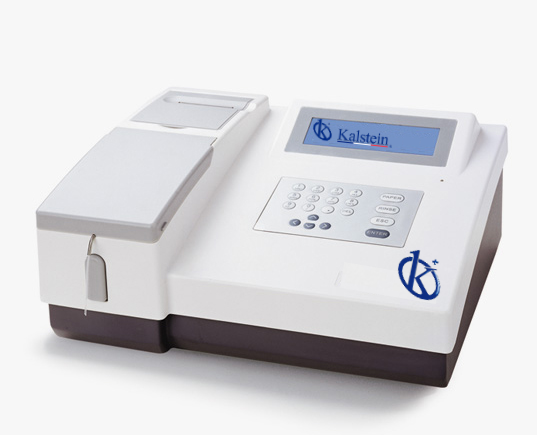
How to Enhance Energy Sustainability and Reduce Environmental Footprint with Chemical Analyzers
In the contemporary laboratory environment, the focus on energy sustainability and minimizing environmental footprint has never been more critical. Chemical analyzers play a vital role in achieving these goals by enhancing operational efficiency and reducing resource consumption. This article will explore how different models of chemical analyzers can help laboratories meet energy sustainability objectives while maintaining high standards of accuracy and reliability.
Understanding the Importance of Energy Sustainability in Laboratories
Energy sustainability in laboratories is essential as it contributes to the overall reduction of the carbon footprint. Laboratories consume significant amounts of energy, primarily due to the operation of various analytical instruments. By focusing on energy-efficient chemical analyzers, labs can not only reduce costs but also comply with increasing regulations regarding environmental conservation.
Energy Consumption and Its Impact on Laboratory Operations
The energy consumption of laboratory equipment has direct implications on operational costs and environmental impact. Evaluating how much energy each analytical device consumes can lead to better decision-making regarding equipment purchases and usage practices. For instance, utilizing analyzers that have been designed for low energy consumption can lead to substantial savings over time.
Comparative Analysis of Energy Efficiency in Chemical Analyzers
When evaluating chemical analyzers, it is crucial to consider their energy efficiency alongside their performance specifications. The following comparisons will highlight how different models stand out in terms of energy sustainability:
Comparison of Available Models
| Model | Average Energy Consumption (kWh/run) | Reagent Waste Reduction (%) | Best For |
|---|---|---|---|
| YR05115 | 0.5 | 20% | Routine biochemical analysis |
| YR05114 | 0.6 | 15% | General laboratory testing |
| YR06092 | 0.4 | 25% | Field testing and portability |
| YR06075 | 0.8 | 10% | High-throughput environments |
| YR05116 | 0.5 | 20% | Advanced research applications |
| YR06078 | 0.6 | 15% | Standard laboratory analysis |
Strategies for Reducing Energy Footprint in Chemical Analysis
To minimize the energy footprint associated with chemical analyzers, consider adopting the following strategies:
- Optimize Equipment Usage: Schedule analyzer usage during off-peak energy hours to reduce energy costs.
- Regular Maintenance: Ensure all instruments are well-maintained to prevent energy wastage due to inefficiencies.
- Use Energy-Efficient Models: Select models, such as the YR06092, that are specifically designed for lower energy consumption.
The Role of Automation in Enhancing Sustainability
Incorporating automation into laboratory workflows can significantly enhance energy sustainability by reducing manual intervention and optimizing test processes. Automatic systems can ensure that equipment operates efficiently and only when necessary, which can lead to a decrease in energy consumption.
Analyzing the Environmental Impact of Chemical Analyzers
Understanding the environmental impact of chemical analyzers extends beyond energy consumption. Consider factors such as reagent usage, waste production, and lifecycle assessments. For instance, using models like the YR05115 can reduce reagent waste by up to 20%, thereby lessening the environmental impact.
Common Mistakes and How to Avoid Them
As laboratories strive for energy sustainability, several common mistakes can derail their efforts:
- Neglecting to Measure Energy Consumption: Regularly monitor energy use to identify trends and areas for improvement.
- Failing to Train Staff: Ensure that all laboratory personnel are trained in energy-efficient practices and the proper use of equipment.
- Ignoring Manufacturer Guidelines: Follow the manufacturer’s recommendations for optimal performance and sustainability.
Frequently Asked Questions
How can chemical analyzers help meet energy sustainability goals in laboratories?
Chemical analyzers like the YR06092 are designed with energy efficiency in mind, consuming only 0.4 kWh per run while offering high accuracy. By selecting energy-efficient models, laboratories can significantly reduce their overall energy consumption and work towards sustainability goals.
Which features should I look for in a chemical analyzer to reduce environmental impact?
Look for features such as low energy consumption, reduced reagent use, and minimal waste generation. The YR05115, for example, offers a 20% reduction in reagent waste while maintaining high performance, making it an excellent choice for environmentally conscious labs.
What is the average energy consumption of chemical analyzers in use today?
The average energy consumption varies by model, but many chemical analyzers, such as the YR06075, consume around 0.8 kWh per run. Assessing these figures can help laboratories make informed decisions about their equipment.
How can I calculate the total energy costs associated with my chemical analyzer?
To calculate total energy costs, multiply the average energy consumption (in kWh) by the number of runs per month and the cost per kWh from your utility provider. This calculation will provide a clearer picture of the ongoing operational expenses related to energy use.
What practices can laboratories adopt to improve energy efficiency?
Laboratories can improve energy efficiency by scheduling runs during off-peak hours, maintaining equipment regularly, and investing in energy-efficient models like the YR05114, which consumes less energy while providing reliable results.
Which chemical analyzer models are best for laboratories focused on sustainability?
Models such as the YR06092 and YR05116 are designed with sustainability in mind, offering low energy consumption and reduced reagent waste. These features make them ideal choices for laboratories striving for environmental responsibility.
How does reagent waste affect the sustainability of chemical analysis?
Reagent waste contributes to environmental pollution and higher operational costs. By opting for models like the YR06078 that reduce reagent waste by up to 15%, laboratories can enhance their sustainability and minimize their environmental footprint.
What financial savings can I expect by using energy-efficient chemical analyzers?
Using energy-efficient analyzers can lead to significant savings on energy bills. For example, if a model consumes 0.4 kWh per run versus 0.8 kWh, the savings can accumulate quickly, especially for high-throughput labs conducting numerous tests daily.
If you are looking for a fusion of innovation and quality, you have come to the right place. At Kalstein, we offer you the luxury of exploring our exclusive catalog of laboratory equipment. We manufacture every device to the highest standards of excellence. Our intuitive and seamless online purchasing channels are designed for your convenience, securing the most competitive prices. Hesitate no longer — we bring science to life, it is time to become part of our community.