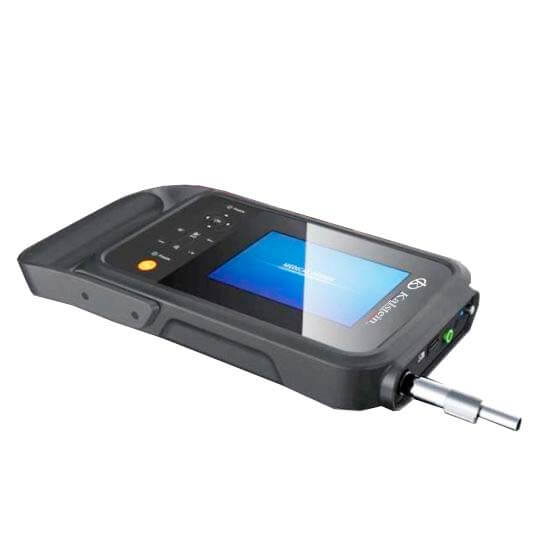
How Energy Sustainability Influences the Selection of Ultrasonic Diagnostic Equipment
In today's rapidly evolving healthcare landscape, energy sustainability has emerged as a critical consideration in the selection of ultrasonic diagnostic equipment. With laboratories and clinics increasingly prioritizing environmentally friendly practices, understanding the energy efficiency and the overall environmental footprint of diagnostic devices is imperative. This article will delve into how various models of ultrasonic diagnostic equipment measure up against sustainability benchmarks, providing laboratory professionals with the insights needed to make informed choices.
Importance of Energy Sustainability in Ultrasonic Diagnostic Equipment
Energy sustainability refers to the efficient use of energy resources in a manner that minimizes environmental impact. In the context of ultrasonic diagnostic equipment, this means prioritizing devices that consume less power, generate lower emissions, and reduce overall operational costs. By selecting energy-efficient models, healthcare facilities can not only cut costs but also contribute to global sustainability goals.
Evaluating Energy Consumption: Key Metrics
When assessing ultrasonic diagnostic equipment, several key metrics can determine energy consumption and sustainability, including power ratings, battery life, and specific energy consumption during use. A model's energy efficiency can significantly impact its running costs and environmental footprint, making it essential for professionals to consider these aspects during procurement.
Ultrasonic Diagnostic Equipment and its Role in Reducing Environmental Footprint
Ultrasonic diagnostic equipment can significantly reduce environmental footprints through their energy-efficient designs. Compact models often consume less energy and generate less waste, promoting a more sustainable operation. Furthermore, advancements in technology have led to the creation of devices that meet EPEAT and ENERGY STAR standards, ensuring compliance with rigorous environmental criteria.
Comparison of Available Models
| Model | Energy Consumption (W) | Battery Life (hours) | Weight (kg) | Best For |
|---|---|---|---|---|
| YR05146 | Low | 3 | 0.5 | Portable veterinary diagnostics |
| YR05147 | Moderate | 3 | Unknown | Obstetrics and gynecology |
| YR05154 | Low | Unknown | Unknown | General diagnostics |
| YR05154-1 | Moderate | Unknown | Unknown | Tablet integration |
| YR05155 | Low | Unknown | Unknown | General diagnostics |
| YR05155-1 | Moderate | Unknown | Unknown | Tablet integration |
Common Mistakes and How to Avoid Them
One of the most common mistakes when selecting ultrasonic diagnostic equipment is overlooking energy efficiency in favor of features or price alone. Laboratory professionals should thoroughly analyze energy consumption data and choose models that not only fit their operational requirements but also align with sustainability goals. Conducting a lifecycle analysis of potential equipment can help clarify which models provide the best long-term value and sustainability.
Frequently Asked Questions
How does energy consumption of ultrasonic diagnostic equipment affect operational costs?
Energy consumption directly impacts operational costs, with models like YR05146 using lower wattage which can lead to significant savings over time. Insufficient attention to energy ratings can inflate long-term expenditures considerably.
What sustainability certifications should I look for in ultrasonic diagnostic equipment?
Look for EPEAT and ENERGY STAR certifications to ensure the ultrasonic diagnostic equipment, like the YR05147, meets recognized sustainability standards, helping to reduce energy consumption and environmental impact.
How can I assess the energy efficiency of different ultrasonic diagnostic models?
Evaluating documentation such as power ratings and battery life can provide insights into energy efficiency. For instance, the YR05146 boasts a battery life of over 3 hours, minimizing its energy footprint significantly.
Which ultrasonic diagnostic equipment is best for reducing environmental impact?
Models like YR05155 are designed with energy efficiency in mind, featuring advanced technology that helps reduce both energy consumption and overall environmental impact in professional settings.
What are the common pitfalls in selecting energy-efficient ultrasonic diagnostic equipment?
One common pitfall is focusing solely on upfront costs rather than long-term energy savings. Choosing models like the YR05154, which may have higher initial costs but lower operational energy costs, can lead to better sustainability outcomes.
How do I calculate potential savings from energy-efficient ultrasonic diagnostic equipment?
To calculate potential savings, analyze the energy consumption of models, such as YR05155-1, and compare these figures against current usage. Consider both operational costs and energy peak pricing for a comprehensive analysis.
Why is battery life important for the sustainability of ultrasonic diagnostic equipment?
Battery life impacts energy sustainability by reducing the need for frequent recharging. Longer-lasting batteries, like in the YR05147, contribute to lower energy usage and reduced downtime in medical environments, enhancing overall efficiency.
What regulations should ultrasonic diagnostic equipment comply with for sustainability?
Ensure compliance with regulations such as ISO 14001 related to environmental management. Models like YR05146 can help meet these regulations through their design and operational efficiency.
To explore more about energy-efficient ultrasonic diagnostic equipment, request a quote today!
If you are looking for a fusion of innovation and quality, you have come to the right place. At Kalstein, we offer you the luxury of exploring our exclusive catalog of laboratory equipment. We manufacture every device to the highest standards of excellence. Our intuitive and seamless online purchasing channels are designed for your convenience, securing the most competitive prices. Hesitate no longer — we bring science to life, it is time to become part of our community.