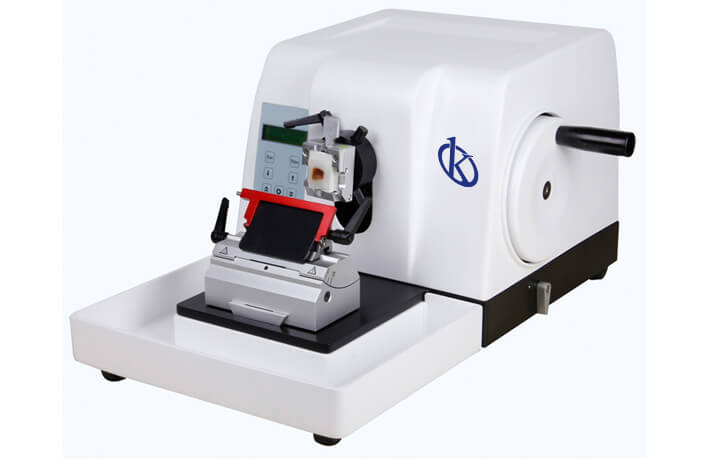
How to Enhance Energy Sustainability in Microtome Use?
The use of microtomes in pathological anatomy is pivotal for producing high-quality specimens but being mindful of their energy consumption is equally important. In today's laboratory settings, integrating sustainability practices is crucial for reducing environmental footprints, conserving energy, and optimizing workflow. This article provides a comprehensive comparison of various microtome models, including their specifications in relation to energy use and sustainability.
Understanding Energy Sustainability in Laboratory Settings
Energy sustainability refers to reducing energy consumption and optimizing usage to minimize environmental impacts. In laboratories, particularly those utilizing microtomes, energy-efficient operations can significantly contribute to reduced operational costs and support broader sustainability goals. With the growing emphasis on eco-friendly practices, laboratories must consider both energy consumption and technical capabilities when selecting microtomes.
Key Factors Influencing Energy Consumption of Microtomes
Several factors influence the energy consumption of microtomes, including operational design, cutting technology, and user practices. For instance, models with efficient motor systems consume less power while delivering precise cuts. Additionally, the ability to produce quality sections with minimal strain on resources is essential. Understanding these factors is crucial for laboratory managers aiming to minimize their environmental impact.
Comparison of Available Models
| Model | Price (USD) | Max Sample Size (mm) | Energy Consumption | Best for |
|---|---|---|---|---|
| YR417-1 | 5200.00 | 70×70 | Moderate | High-demand laboratories |
| YR416 | 3600.00 | 50×70 | Low | Universal use |
| YR417 | 4000.00 | 70×70 | Moderate | Quality control |
| YR420 | 2400.00 | 50×60 | Very Low | Histological use |
| YR421 | 2400.00 | 50×60 | Very Low | Pathological labs |
| YR422 | 1200.00 | 50×60 | Low | General lab use |
Strategies for Reducing Energy Consumption in Microtome Use
Adopting energy-efficient practices in laboratories can significantly reduce energy consumption. Here are some strategies:
- Invest in energy-efficient models: Opt for models like YR420 and YR421 that demonstrate lower energy consumption.
- Implement routine maintenance: Regularly servicing microtomes ensures they operate efficiently, which can prevent excess energy use.
- Train personnel: Educating users on energy-efficient practices can reduce unnecessary power consumption during operations.
Common Mistakes and How to Avoid Them
It’s easy to overlook energy sustainability when selecting laboratory equipment. Here are common mistakes and suggestions to avoid them:
- Overlooking energy specifications: Always analyze the energy consumption metrics closely when selecting a microtome to avoid higher operational costs.
- Neglecting maintenance: Regular maintenance minimizes energy wastage and extends equipment life. Scheduled servicing should be a priority.
- Ignoring user training: Ensure that all personnel are trained on the best practices for operating microtomes sustainably.
Frequently Asked Questions
How much energy does the YR416 microtome consume in typical lab settings?
The YR416 microtome, known for its low energy consumption, typically operates efficiently in high-demand laboratories, minimizing environmental impact while ensuring quality sectioning.
Which microtome model is best for reducing environmental footprint?
The YR420 model is highly regarded for its very low energy consumption, making it an excellent choice for laboratories focused on sustainability and reducing environmental footprints.
What operational practices can enhance the sustainability of microtome use?
Implementing routine maintenance, selecting low-consumption models like the YR421, and training operators are key practices that enhance the sustainability of microtome use.
Why is it important to consider energy efficiency in microtome selection?
Considering energy efficiency, such as with the YR422, is crucial as it directly impacts operational costs and aligns with the increasing demand for sustainable lab practices.
How can laboratories track energy use from microtome operations?
Laboratories can track energy usage through monitoring systems integrated with devices or by conducting periodic audits to assess the energy consumption metrics of models like the YR417.
What features should a sustainable microtome possess?
A sustainable microtome should have energy-efficient motors, low operational power requirements, and features that minimize waste, evident in models like the YR420.
What is the expected lifespan of energy-efficient microtomes?
Energy-efficient microtomes, such as the YR416, often have a longer lifespan when maintained properly, with operational designs that reduce wear and tear leading to durability.
How do advanced microtome features aid energy sustainability?
Advanced features like precision cutting and reduced friction in models like YR421 lead to less energy consumption while extending equipment life through efficient operation.
If you are looking for a fusion of innovation and quality, you have come to the right place. At Kalstein, we offer you the luxury of exploring our exclusive catalog of laboratory equipment. We manufacture every device to the highest standards of excellence. Our intuitive and seamless online purchasing channels are designed for your convenience, securing the most competitive prices. Hesitate no longer — we bring science to life, it is time to become part of our community.