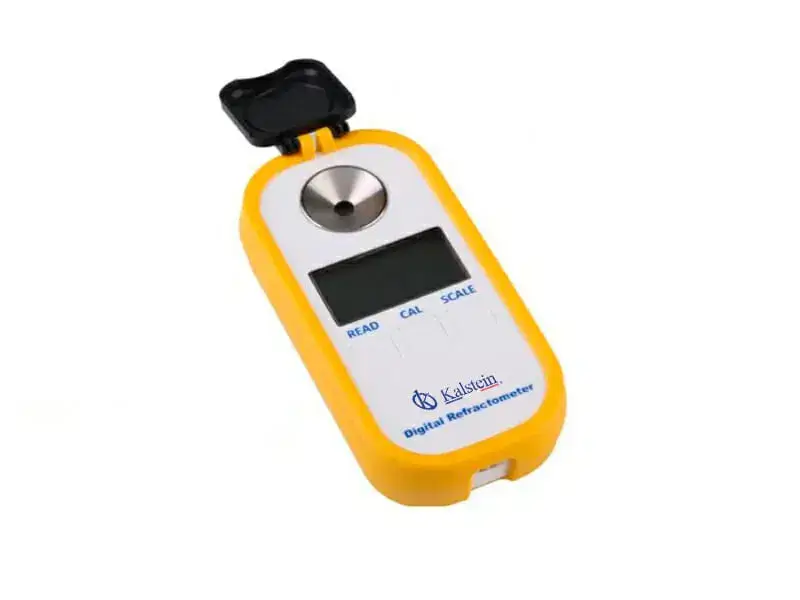
How Energy Sustainability and Reduced Environmental Footprint Impact Digital Salinity Refractometers
In the modern laboratory landscape, the focus on energy sustainability and reducing environmental footprints has become paramount. This shift is especially relevant for digital salinity refractometers, which play a crucial role in various applications such as water quality testing and agricultural monitoring. This article will delve into how these priorities shape the design, functionality, and selection of refractometers in today's laboratories.
Understanding Energy Sustainability in Laboratory Equipment
Energy sustainability refers to the efficient use of energy resources to minimize environmental impact. For digital salinity refractometers, this means designing instruments that consume less power while maintaining accuracy and reliability. Key manufacturers are adapting their technologies by integrating energy-efficient components, resulting in devices that not only perform efficiently but also contribute to laboratory sustainability goals.
Environmental Footprint of Digital Salinity Refractometers
The environmental footprint of laboratory equipment can be measured through factors such as energy consumption, material usage, and the waste produced during operation. Digital salinity refractometers have a unique impact due to their specific applications in measuring salinity levels in various solutions, including seawater and food products. By focusing on reducing the energy and resources consumed in their operation, manufacturers can help laboratories achieve lower carbon emissions and a smaller ecological footprint.
Key Features of Energy-Efficient Digital Salinity Refractometers
Energy-efficient digital salinity refractometers, such as the YR05953, YR05954, and YR05957 models, offer features that enhance sustainability:
- Automatic Temperature Compensation (ATC): This feature ensures accurate readings between 0-40°C, reducing the need for manual adjustments that can lead to energy waste.
- Low Sample Volume Requirements: Many models require only a drop of sample for testing, minimizing waste and resource usage.
- Digital Display: Quick reading times on digital displays reduce the time instruments remain powered, thereby conserving energy.
Comparison of Available Models
| Model Code | Measurement Range | Minimum Division | Accuracy | ATC | Best Use Case |
|---|---|---|---|---|---|
| YR05953 | 0.0-28.0% | 0.10% | ±0.1% | Yes | Salinity Measurement in Seawater |
| YR05954 | 0-280‰ | 1‰ | ±1‰ | Yes | Lab Testing for Food Products |
| YR05955 | 1.000-1.217 | 0.001 | ±0.002 | Yes | Density Measurement in Brine Solutions |
| YR05956 | 1.3330-1.3900 nD | 0.0001 nD | ±0.0003 nD | Yes | Refractive Index Measurement |
| YR05957 | 0-100‰ | 1‰ | ±2‰ | Yes | General Salinity Testing |
| YR05958 | 0-57‰ | 1‰ | ±2‰ | Yes | Clinometry in Environmental Studies |
Common Mistakes and How to Avoid Them
One common mistake when using digital salinity refractometers is neglecting to perform regular calibration checks. Calibration ensures accurate readings and helps maintain the integrity of environmental data collected. Users should refer to the manufacturer's guidelines for calibration schedules and procedures. Additionally, misunderstanding the ATC feature can lead to errors in readings if temperature variations are not accounted for. Always ensure the device is within the specified temperature range for optimal performance.
Integrating Energy Sustainability into Laboratory Practices
Laboratories can enhance energy sustainability by adopting best practices, such as implementing energy-efficient equipment like digital salinity refractometers. Additionally, establishing protocols for routine maintenance can extend the lifespan of these instruments, reducing the need for replacements. Adopting a culture of sustainability by training staff on energy conservation practices can significantly contribute to a laboratory's overall environmental goals.
Measuring Energy Consumption and Environmental Impact
To effectively monitor the energy consumption of refractometers, laboratories should establish baseline measurements. This can be achieved by recording the power usage of each model during operation and assessing the total energy consumed over specific periods. For instance, using the YR05954 may consume 1.5 kWh per week, while other models may be less or more efficient. Tracking this data allows laboratories to adjust usage patterns to optimize energy sustainability.
Frequently Asked Questions
What is the energy consumption of the YR05953 digital salinity refractometer?
The YR05953 typically consumes around 1.5 kWh per week, making it an energy-efficient choice for laboratories focused on sustainability. Such efficiency helps in reducing overall laboratory energy expenditure.
Which digital salinity refractometer model is best for reducing environmental footprint?
The YR05954 model is designed for high efficiency and low sample consumption, significantly reducing waste and overall environmental impact. Its automatic features enhance usability while conserving resources.
How often should I calibrate my digital salinity refractometer to maintain accuracy?
Regular calibration of models like the YR05955 is recommended every three months to ensure optimal performance and accuracy. This practice minimizes errors and supports effective environmental monitoring.
What features should I look for in a sustainable digital salinity refractometer?
Look for models with automatic temperature compensation, low sample volume requirements, and energy-efficient digital displays. The YR05956, for instance, excels in these areas to help laboratories meet sustainability goals.
How does using a digital salinity refractometer affect overall laboratory sustainability?
Using efficient models like the YR05957 reduces energy consumption, material waste, and operational costs, thereby enhancing laboratory sustainability. This promotes a lower environmental footprint through improved practices and technology.
What are the best practices for energy efficiency in using salinity refractometers?
Practicing regular maintenance, adopting calibration schedules, and utilizing energy-efficient models like the YR05958 can significantly enhance energy efficiency in laboratory settings.
How can I track energy use from my refractometer effectively?
Establishing a baseline measurement by logging the kilowatt-hours consumed by models like the YR05954 during operation will help laboratories monitor energy use and adjust practices to improve sustainability.
What role does automatic temperature compensation play in sustainability?
Automatic temperature compensation in models like the YR05953 reduces the need for manual adjustments and conserves energy, supporting overall sustainability efforts in laboratory practices.
If you are looking for a fusion of innovation and quality, you have come to the right place. At Kalstein, we offer you the luxury of exploring our exclusive catalog of laboratory equipment. We manufacture every device to the highest standards of excellence. Our intuitive and seamless online purchasing channels are designed for your convenience, securing the most competitive prices. Hesitate no longer — we bring science to life, it is time to become part of our community.