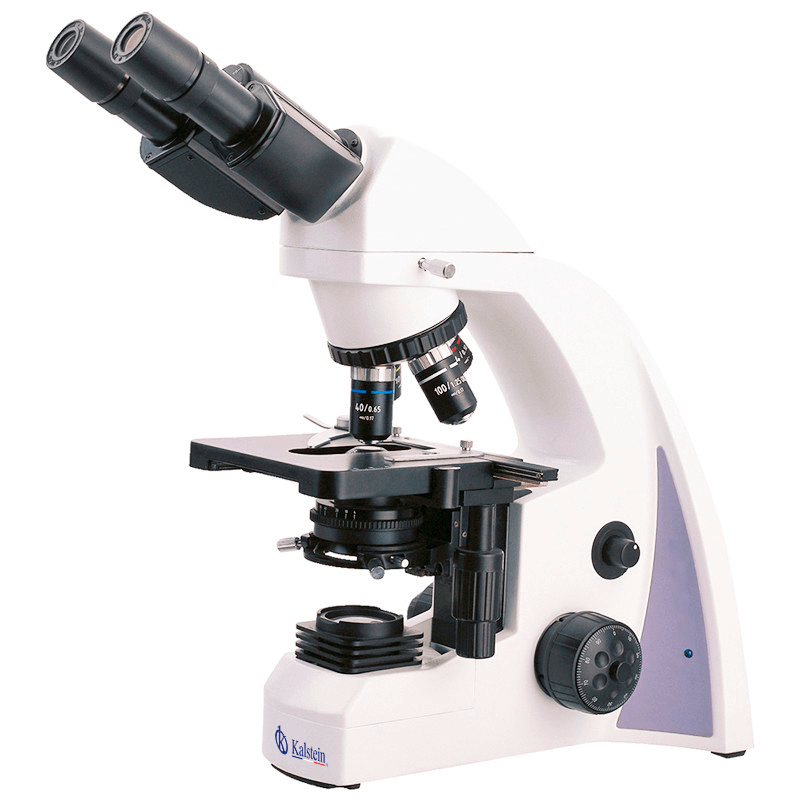
Comparative Analysis of Laboratory Microscopes: Key Features and Choices
Laboratory microscopes are essential tools for scientific research and clinical applications. With various models available, selecting the right microscope requires a careful comparison of features, technical specifications, and application suitability. This article aims to provide a comprehensive comparison of several laboratory microscope models, focusing on their key specifications, advantages, and operational applications.
Understanding the Importance of Microscope Selection
Choosing the right laboratory microscope is crucial as it impacts the quality of observations and results. Each model offers unique capabilities suited for specific tasks, such as biological specimen analysis, materials science, and educational purposes. This comparison will help laboratory professionals make informed decisions based on their needs and applications.
Comparison of Available Models
| Model | Optical Configuration | Objective Types | Price (USD) | Best for |
|---|---|---|---|---|
| YR0237-0-1 | Binocular head, inclined at 30° | 4x, 10x, 40x, 100x acromatic infinity objectives | 437.00 | General laboratory use |
| YR0237-1 | Binocular head, inclined at 30° | 4x, 10x, 40x, 100x acromatic infinity objectives | 491.00 | Advanced microscopy applications |
| YR0237-1-1 | Binocular head, inclined at 30° | 4x, 10x, 40x, 100x acromatic infinity objectives | 448.10 | Education and training |
Technical Specifications Comparison
The following sections will delve deeper into the technical specifications of each microscope model, highlighting their suitability for various applications and any special features they possess.
Model YR0237-0-1: General Laboratory Use
The YR0237-0-1 microscope is designed for general laboratory tasks, featuring a binocular head and a wide-field ocular of WF 10x/18 mm. It supports a range of acromatic infinity objectives and includes an adjustable condenser with a numerical aperture (N.A) of 1.25. This model is ideal for routine analyses in biological and educational settings.
Model YR0237-1: Advanced Microscopy Applications
The YR0237-1 microscope model offers enhanced features for advanced microscopy applications, including a trinocular head for simultaneous imaging and video capture. It retains the same optical quality with a variety of objective lenses suitable for detailed research work. This model is recommended for labs focusing on extensive research and development projects.
Model YR0237-1-1: Education and Training
The YR0237-1-1 microscope is tailored for educational purposes, equipped similarly to other models but optimized for user-friendly operation. Its robust design and ease of use make it perfect for training environments where students have access to quality microscopy technology without complexity.
Key Features and Advantages of Microscope Models
Understanding the unique features of each model allows laboratory professionals to select equipment best suited for their workflows. Below is a breakdown of key advantages and specifications for each model.
Optical Performance
All models mentioned possess high-quality optical systems, which provide clear and precise imaging. The use of acromatic infinity objectives ensures minimal distortion and high resolution across different magnifications.
Ergonomics and Usability
Ease of use is a significant consideration, especially in educational and fast-paced laboratory environments. Models with comfortable focusing knobs and adjustable lighting controls enhance user experience and efficiency.
Common Mistakes and How to Avoid Them
When selecting a laboratory microscope, professionals often encounter pitfalls that can impact their research efficiency. Common mistakes include:
- Focusing solely on price rather than features and specifications.
- Overlooking the importance of optical quality and resolution.
- Failing to consider the intended application and necessary attachments.
To avoid these mistakes, labs should clearly define their needs, do thorough research, and possibly consult with experts before making a purchase.
Frequently Asked Questions
What microscope model is best for educational environments in 2026?
The YR0237-1-1 is highly suitable for educational environments due to its user-friendly design and robust features. It enables students to engage effectively with microscopy technology, ensuring a solid learning foundation.
How do I choose the right laboratory microscope for my research needs?
Choosing the right laboratory microscope, such as YR0237-1, requires evaluating the specific applications you will undertake. Consider factors such as optical configuration, ease of use, and the types of samples you will analyze.
What are the key specifications to look for in laboratory microscopes?
Key specifications include optical configuration (binocular or trinocular), types of objectives available, illumination options, and ergonomic features. For example, the YR0237-0-1 has a binocular head and adjustable condenser, making it versatile for various applications.
Which laboratory microscope model is most affordable but effective?
The YR0237-0-1 model is one of the most affordable options, priced at $437.00, while maintaining high optical quality and usability for general lab work and educational purposes.
How does optical quality affect laboratory microscopy outcomes?
High optical quality ensures accurate and clear imaging, which is critical for analysis and research. Models like YR0237-1 provide improved resolution and contrast, essential for detailed examinations in laboratories.
What are the advantages of binocular vs. trinocular microscopes?
Binocular microscopes, such as YR0237-0-1, are simpler and generally more affordable, while trinocular microscopes like YR0237-1 allow for simultaneous imaging and video capture, making them better suited for advanced research applications.
What is the typical lifespan of a laboratory microscope?
The lifespan of a laboratory microscope can vary significantly based on usage and maintenance. With proper care, models like YR0237-1 can last for many years, providing reliable performance throughout their service life.
How do I maintain my laboratory microscope for optimal performance?
Routine maintenance involves cleaning the lenses with appropriate materials, ensuring the mechanical stages are calibrated, and checking the illumination system. Regular maintenance helps extend the lifespan and performance of models such as YR0237-0-1.
If you are looking for a fusion of innovation and quality, you have come to the right place. At Kalstein, we offer you the luxury of exploring our exclusive catalog of laboratory equipment. We manufacture every device to the highest standards of excellence. Our intuitive and seamless online purchasing channels are designed for your convenience, securing the most competitive prices. Hesitate no longer — we bring science to life, it is time to become part of our community.